

The Simple Magic of Fermentation
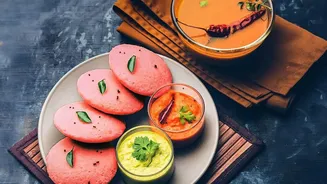
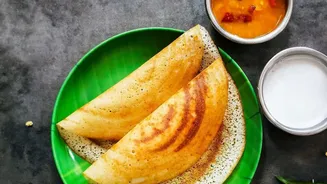
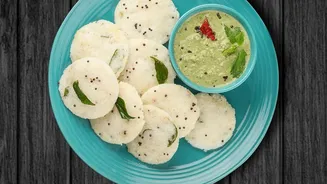
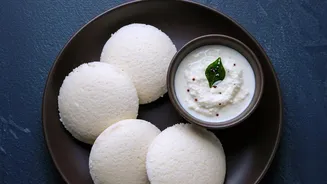
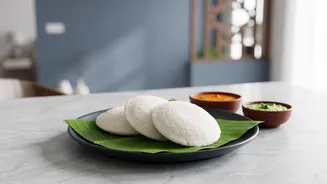
At its core, fermentation is a natural process where microorganisms like bacteria and yeasts break down the starches and sugars in food. In the context of idli or dosa batter, a mixture of ground rice and lentils is left to sit for several hours. During
this time, naturally occurring beneficial bacteria, primarily from the Lactobacillus family, get to work. They consume the carbohydrates in the batter, producing lactic acid. This process not only leavens the batter, giving idlis their characteristic spongy texture, but it also transforms the food on a nutritional level, making it a powerhouse for your health.
A Feast for Your Gut Microbiome
The term 'gut health' refers to the balance of microorganisms that live in your digestive tract. These tiny organisms, collectively known as the gut microbiome, play a crucial role in everything from digestion to immunity. While the live probiotic bacteria in the batter are destroyed during the cooking process, the benefits of their activity remain. The fermentation process creates an environment that supports your existing good gut bacteria. These foods also contain prebiotics, which are essentially food for your beneficial gut microbes. Think of it as enriching the soil of your internal garden. A healthy gut microbiome helps prevent issues like bloating and indigestion and contributes to a stronger immune system, as a significant portion of our immune cells reside in the gut.
Unlocking Essential Nutrients
One of the most significant benefits of fermentation lies in its ability to increase nutrient bioavailability. Rice and lentils, like many grains and legumes, contain compounds known as 'anti-nutrients', such as phytic acid. Phytic acid can bind to essential minerals like iron, zinc, and calcium, preventing your body from absorbing them effectively. The fermentation process dramatically reduces these anti-nutrients. The enzymes produced by the bacteria break down the phytic acid, essentially 'unlocking' these vital minerals and making them much more available for your body to absorb. Furthermore, fermentation can also synthesize or increase the levels of certain B vitamins and vitamin C.
Easier Digestion and Better Energy
Because the microorganisms have already started breaking down the complex carbohydrates and proteins in the batter, fermented foods are effectively 'pre-digested'. This makes them incredibly easy on your digestive system. Your body doesn't have to work as hard to process the food, which can lead to less bloating and discomfort after a meal. This pre-digestion also means the energy from the food is released more steadily. The fermentation process lowers the glycemic index of the food compared to its unfermented ingredients, which helps in better blood sugar management and provides sustained energy rather than a quick spike and crash.
Beyond Idli: A World of Fermented Goodness
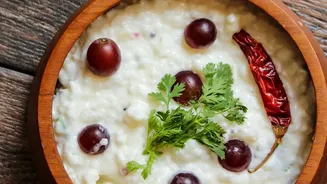
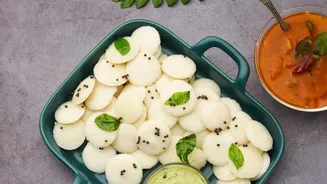
While idli and dosa are the most famous examples, the tradition of fermentation is widespread across South India. Appam, a lacy pancake made from a fermented batter of rice and coconut, and paniyaram, small savoury dumplings from the same batter as idli, offer similar benefits. Even curd rice (thayir sadam) and spiced buttermilk (neer mor) are excellent sources of gut-friendly compounds derived from fermentation. These foods are a testament to a culinary tradition that intuitively understood how to enhance both flavour and nutrition through natural processes, creating meals that are as nourishing as they are delicious.