


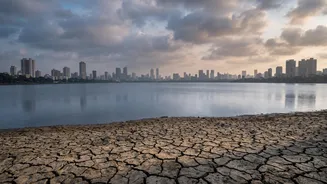
An August Deficit by the Numbers
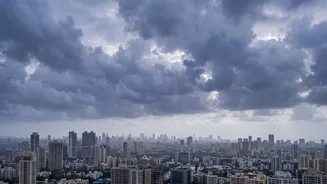
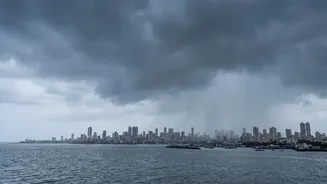
This August has been markedly different from the usual deluge. According to data from the India Meteorological Department (IMD), the rainfall received in Mumbai from August 1 to 25 was just 302.3 mm. This figure is a stark contrast to the same period
last year, which saw 1054.20 mm of rain. In fact, this year's August rainfall up to the 25th is only about 28% of what the city received in 2025. While the overall monsoon season started late and was erratic, with a water crisis looming in June before intense rains in July provided relief, this prolonged dry spell in what is typically a core monsoon month is significant. The national picture echoes this trend, with India facing a cumulative monsoon deficit of 13% as of August 26.
What's Behind the Dry Spell?
Meteorologists point to a combination of large-scale climate phenomena and local weather patterns. A strong El Niño event is a primary factor, a condition known for suppressing monsoon rainfall in India. The IMD and other agencies had forecast a below-normal monsoon for 2026 precisely because of these strengthening El Niño conditions. Private forecaster Skymet went as far as revising its monsoon forecast downward, citing a 70% probability of drought conditions nationally. While a few low-pressure systems formed in the Bay of Bengal, their effect was mostly concentrated over eastern and central India, leaving the western coast and Mumbai with subdued rainfall for most of August.
A Sign of a New Monsoon 'Normal'?
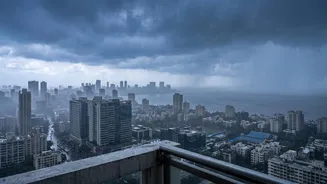
This year's erratic performance — a delayed start, a deluge in July, and a dry August — fits into a pattern that climate scientists have been warning about for years. The monsoon is becoming more variable. Instead of a steady, predictable season, Mumbai is increasingly experiencing long dry spells punctuated by short, intense bursts of extreme rainfall. Experts refer to this as a "monsoon whiplash." A warmer atmosphere and warmer seas, driven by climate change, can hold more moisture, which then gets dumped in concentrated, overwhelming spells rather than being spread out over the season. So, while a single quiet month isn't definitive proof, it aligns with the trend of a more unpredictable and extreme monsoon.
Impact on the City's Lifeline
For Mumbai, the monsoon isn't just weather; it's the city's lifeline. The rainfall between June and September is critical for filling the seven lakes that supply drinking water to over 1.2 crore people for the entire year. The season began with alarmingly low lake levels, leading the BMC to impose water cuts in May and June. Heavy rainfall in July brought immense relief, filling the reservoirs to a comfortable level. As of August 27, the combined water storage in the seven lakes stood at a healthy 95.84% of total capacity, very close to the levels seen in the previous two years. While this means the immediate threat of a water crisis has been averted, the quiet August serves as a reminder of how quickly the situation can change and highlights the city's complete dependence on a few months of rain.
Living with Uncertainty
The quiet August of 2026 is more than just a pleasant break from the rain; it's a data point in a larger, more complex story about our changing climate. It underscores the growing challenge for city planners and citizens alike. The old certainties of the monsoon calendar are being replaced by a new reality of volatility. This shift demands a move from crisis management to long-term resilience planning. Discussions around diversifying water sources, such as desalination plants, improving groundwater recharge, and investing in more robust water infrastructure are becoming more urgent than ever. Mumbai's ability to adapt will depend on its capacity to manage this new era of uncertainty, where a month of drought can follow a month of deluge.