





The Pre-Festival Wardrobe Audit
Weeks before the first event, take a day to pull out all your festive wear. This includes sarees, lehengas, sherwanis, kurtas, and blouses that you reserve for special occasions. Lay them out and give each one a thorough inspection in good lighting. This isn't
just about finding flaws; it’s about rediscovering forgotten gems and seeing your collection with fresh eyes. Check for overall condition, fit, and any subtle discolouration or stains you might have missed when you last stored them. This initial audit helps you create a clear action plan. Group your garments into three piles: 'ready to wear,' 'needs minor repairs,' and 'needs professional help.' This simple act of organisation is the first step towards a stress-free festive season, ensuring you know exactly what you have and what needs attention long before you need to wear it.
Your Essential Repair Checklist
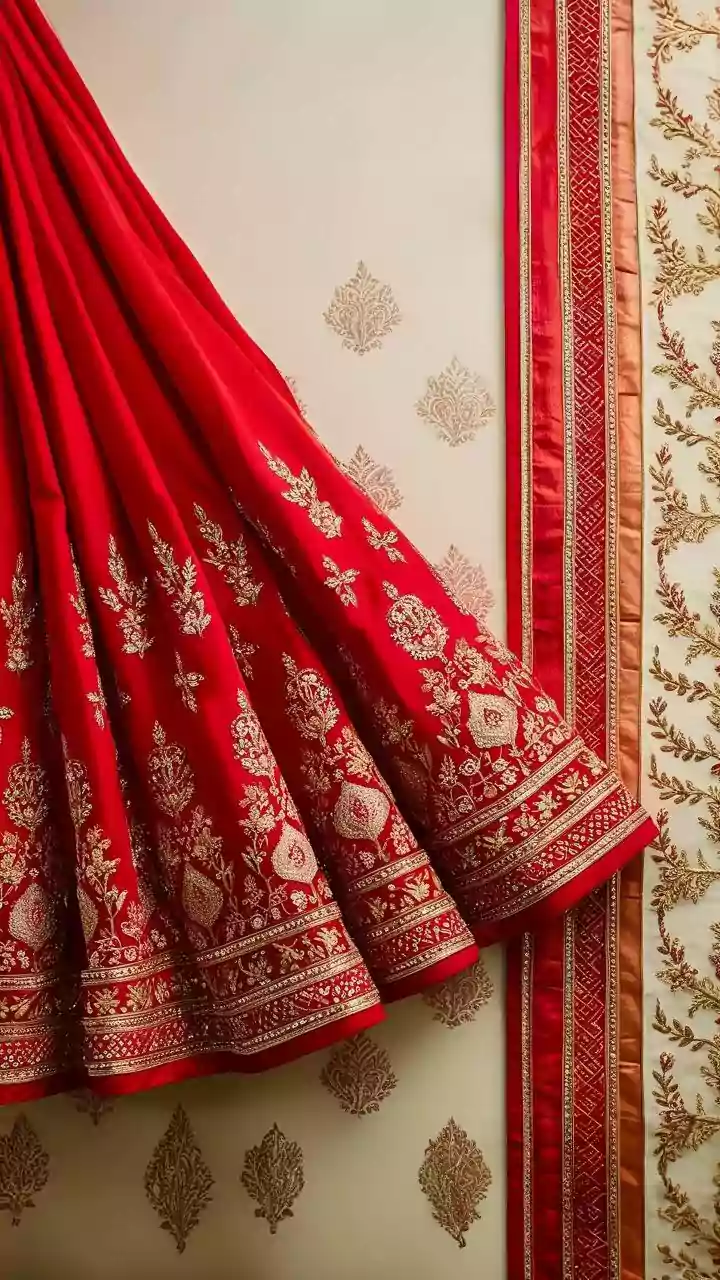
Once you've audited your wardrobe, it's time to get specific. Go through each garment in your 'needs repair' pile and look for common culprits of wardrobe malfunction. Check for loose or missing buttons, hooks, and press studs on blouses and kurtas. Inspect seams, especially in high-stress areas like under the arms and along the sides, for any signs of splitting. For sarees and lehengas, pay close attention to the border and hemline, which can often fray or tear. Run every single zipper up and down to ensure it works smoothly. A zipper that snags now will definitely get stuck when you're in a hurry. Finally, carefully examine any embellished or embroidered sections. Look for loose threads, and missing sequins, beads, or stones. Making a detailed list of these small issues for each outfit will make the repair process much more efficient.
Simple Fixes You Can Master
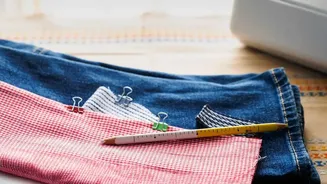
Many common repairs are surprisingly easy to do yourself, even with basic sewing skills. Reattaching a button or securing a loose hook-and-eye closure are simple five-minute jobs. For missing sequins or beads, you can often secure new ones with a few careful stitches using a fine needle and matching or invisible thread. If a small patch of embroidery is unravelling, a few discreet stitches on the reverse side can prevent further damage. For a clean tear in a silk or cotton saree, the 'ladder stitch' (or invisible stitch) can work wonders to pull the fabric edges together without being seen. Even a stuck zipper can often be coaxed back to life by rubbing the teeth with the graphite tip of a pencil or a bar of soap to act as a dry lubricant. Mastering these simple fixes not only saves you money but also gives you the confidence to handle minor wardrobe emergencies.
When to Call Your Trusted Tailor
While DIY is great for small jobs, some repairs are best left to the professionals. Any significant alterations, like changing the size or fit of a garment, should go to a tailor. They have the expertise to adjust the seams and darts without ruining the garment's shape. Delicate fabrics like organza, chiffon, or heavily worked brocades also require an expert hand, as a wrong move can cause irreparable damage. Major repairs such as replacing a broken zipper, fixing large tears, or restoring intricate zari or beadwork are also jobs for your local tailor or a specialised repair service. The most important rule is to take these items in early. Good tailors are incredibly busy in the run-up to Diwali or wedding season. Dropping your clothes off three to four weeks in advance ensures you get them back in time, without any rush charges or compromises on quality.
Beyond Repairs: Refresh and Revive
Once the repairs are done, the final step is to ensure your clothes are fresh and ready to wear. Most delicate Indian wear, especially silks and embellished pieces, should be professionally dry-cleaned rather than washed at home. If a garment is clean but has been in storage, simply airing it out in a shaded area can remove any musty smells. For sarees and other garments that are wrinkled, steaming is often a safer option than direct ironing, as it's gentler on delicate fibres and embellishments. Properly storing your festive wear is just as crucial. Use breathable muslin cloth bags instead of plastic, which can trap moisture and cause damage. Store heavy lehengas or sarees flat to prevent the weight of the embellishments from stretching the fabric out of shape.