



What Exactly Is Palm Jaggery?
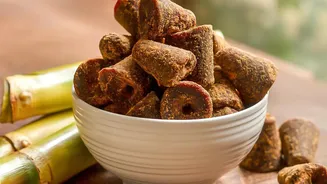
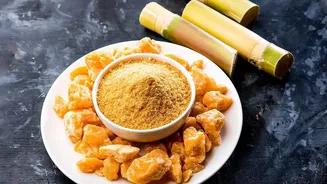
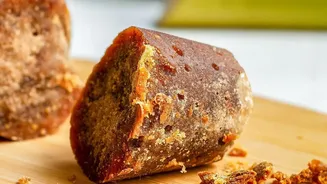
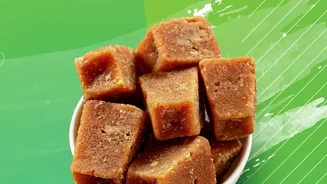
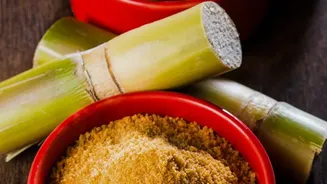
Palm jaggery, known as 'Karupatti' in Tamil Nadu, is an unrefined natural sweetener made from the sap of palm trees, most commonly the palmyra palm. Unlike refined white sugar, which undergoes intensive chemical processing, palm jaggery is made by simply
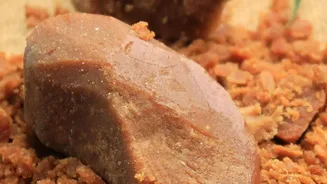
boiling the collected palm sap until it thickens and solidifies. This minimal processing ensures that it retains many of the minerals and vitamins present in the sap. The result is a dark, solid sweetener with a complex flavour that has notes of caramel, toffee, and a hint of smokiness, making it a flavourful ingredient in its own right.
The Nutritional Showdown: Jaggery vs. Sugar
The primary reason for palm jaggery’s rising popularity is its nutritional content. While refined white sugar is essentially empty calories, providing pure sucrose and virtually no micronutrients, palm jaggery tells a different story. It is a source of essential minerals like iron, potassium, magnesium, and calcium. Some studies note that it's particularly rich in iron and potassium, which are vital for preventing anemia and regulating blood pressure, respectively. Furthermore, it contains antioxidants and B vitamins that are stripped away during the sugar refining process. While it is still a form of sugar and contains a similar number of calories, the presence of these additional nutrients makes it a more wholesome choice.
The Glycemic Index Question
One of the most significant advantages often cited for palm jaggery is its lower glycemic index (GI). The GI measures how quickly a food raises blood sugar levels. Refined white sugar has a GI of around 65, which can cause sharp spikes in blood sugar. In contrast, palm jaggery has a much lower GI, typically reported to be between 35 and 43. This means it releases sugar into the bloodstream more slowly, providing a more sustained release of energy and preventing the dreaded sugar crash. This makes it a comparatively better option for those managing blood sugar levels, although it should still be consumed in moderation, especially by individuals with diabetes.
Your Guide to Baking with Palm Jaggery
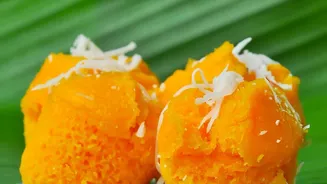
Swapping white sugar for palm jaggery in your baking is straightforward, but there are a few things to keep in mind. Because it often comes in solid blocks, you'll need to grate it or melt it with a little water to create a syrup before use. This liquid form can then be substituted for sugar in a 1:1 ratio in many recipes, though you may need to slightly reduce other liquids in the recipe to maintain the right consistency. Palm jaggery imparts a beautiful dark, golden-brown colour and a rich, caramel-like flavour to cakes, cookies, and muffins. It pairs wonderfully with whole wheat flour, spices like cinnamon and ginger, and fruits like bananas.
Beyond the Hype: A Balanced View
While palm jaggery is a clear nutritional upgrade from refined white sugar, it's important to maintain a balanced perspective. At its core, it is still a sweetener and should be consumed mindfully as part of a balanced diet. It offers more minerals and a lower glycemic impact, but it is not a 'health food' that can be eaten without limit. The true benefit lies in using it as a direct substitute for refined sugar, allowing you to enjoy your favourite homemade desserts with a little less guilt and a lot more flavour and nutrients. It represents a move toward more natural, less processed ingredients, which is a positive step for any home baker.