


The Soothing Psychology of Nature's Palette
There's a reason we feel at ease in nature, and the same principle applies to our homes. Earthy tones—hues drawn from soil, forests, and stone—have a proven psychological impact, creating a sense of calm and stability. Colours like warm browns, gentle
greens, and soft beiges are inherently grounding. In a small home, where visual noise can quickly lead to a feeling of chaos, these colours provide a soothing backdrop that helps the mind relax. They evoke feelings of warmth, comfort, and security, making a space feel instantly more welcoming and less confined.
Beyond Beige: A Modern Earthy Colour Scheme
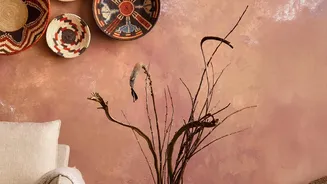
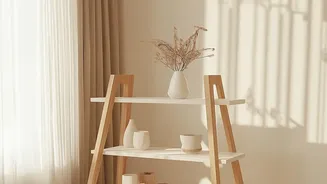
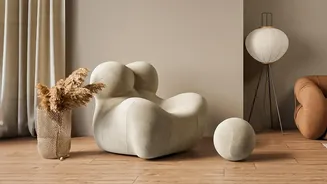
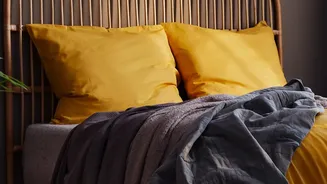
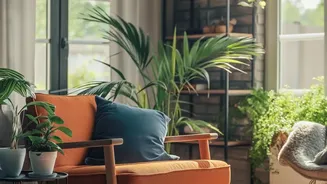
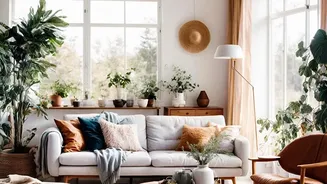
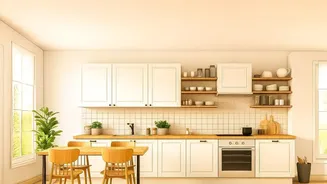
When people hear "earthy tones," they often think of plain beige. But today's palette is far more sophisticated and varied. Think of muted shades like sage and olive green, the warmth of terracotta and rust, the soft depth of slate grey, and the golden glow of ochre. These colours are inspired by the natural world but feel contemporary and fresh. For a small space, the key is to choose muted versions of these colours, as they have a lower saturation and are less likely to overwhelm the room. Lighter neutrals like sand, taupe, and warm white can serve as a perfect foundation, making the room feel open and airy, while deeper tones are used as accents.
The Art of Balance and Light
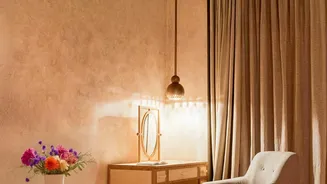
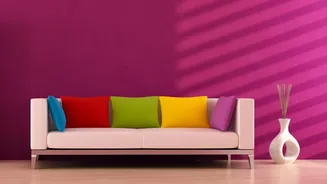
The word "balanced" is crucial. A room painted entirely in a dark chocolate brown, for instance, will likely feel smaller. Instead, designers recommend a layered approach. A popular guideline is the 60-30-10 rule: 60% of the room should be a dominant, lighter neutral colour (like on the walls); 30% a secondary colour (perhaps on a sofa or curtains); and 10% an accent colour (in cushions, art, or decor). This creates visual interest without clutter. Maximising natural light is also essential. Earthy colours, especially those with warmer undertones, come alive in the sunlight. Position mirrors to reflect light and choose lighter shades for walls opposite windows to enhance the sense of space.
Texture: The Secret to Creating Depth
In a monochromatic or analogous colour scheme, texture is what prevents the space from feeling flat. It's the secret ingredient that adds depth and sophistication. When you're working with a limited colour palette, varying the textures becomes even more important. Think about incorporating natural materials that complement earthy colours: a chunky wool rug, linen curtains, a rattan light fixture, wooden furniture, or a leather accent chair. These different surfaces catch the light in unique ways, creating subtle shadows and highlights that trick the eye into perceiving more space and complexity.
Creating Flow Throughout the Home
To make a small home feel truly expansive, it helps to maintain a consistent colour story from one room to the next. This doesn't mean every room must be the same colour. Instead, use a cohesive palette of three to five earthy tones throughout the entire home. For example, the sage green on your living room accent wall could be picked up in the kitchen towels or bathroom accessories. This continuity prevents the jarring visual stops that can occur when moving between wildly different coloured spaces, allowing the eye to travel freely and creating an uninterrupted flow that makes the whole home feel larger and more harmonious.