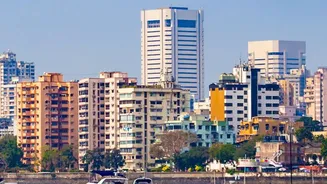








The Forces Driving the Investment Boom
The motivation for NRIs to invest in Indian property has shifted from being purely emotional to highly strategic. A primary driver is the favourable currency exchange rate, which significantly increases their purchasing power. For those earning in dollars,
pounds, or dirhams, Indian property remains remarkably affordable compared to global counterparts. Beyond currency advantages, India’s status as a rapidly growing economy offers the promise of high capital appreciation and attractive rental yields, often between 3-5%, which outpace returns in many Western markets. This financial logic is coupled with a deep-seated desire to own a home in India for future retirement, family use, or as a tangible link to their roots. Furthermore, regulatory reforms like the Real Estate (Regulation and Development) Act (RERA) have increased transparency and accountability, making remote investments feel significantly safer.
A Definitive Shift Towards Luxury and Space
The most significant change driven by NRI demand is the pivot towards premium and luxury properties. Having experienced global living standards, these buyers have expectations that go beyond basic housing. Their preference is for larger homes, such as 3BHK and 4BHK apartments, located in well-planned gated communities. This has led developers to increasingly integrate world-class amenities that were once considered niche, including smart home technology, wellness centers, co-working spaces within the complex, and professional concierge services. The demand is not just for a house, but for a lifestyle. This trend is particularly pronounced in the luxury segment, where NRIs now account for up to a quarter of all sales in major projects across top cities. Developers have responded by launching projects specifically designed to cater to these international tastes, ultimately raising the standard of living for the entire market.
The New Real Estate Hotspots
While traditional metropolitan hubs like Mumbai, Delhi-NCR, and Bengaluru remain prime destinations for NRI capital, the investment map is expanding. In Mumbai, areas like Thane and Navi Mumbai are attracting interest, while in Delhi-NCR, Gurgaon and Noida are key markets. Bengaluru and Hyderabad are hotspots for IT professionals, offering strong rental demand and price appreciation. However, a notable new trend is the emergence of Tier-II cities such as Pune, Ahmedabad, Lucknow, Jaipur, and Kochi as attractive investment destinations. These cities offer lower entry prices, developing infrastructure under initiatives like the Smart Cities Mission, and strong potential for long-term capital growth. For many NRIs, investing in these emerging cities is also a way to reconnect with their hometowns while capitalizing on their growth.
The Broader Market Impact
The influx of NRI investment, which is estimated to account for nearly 20% of the total, is creating significant ripple effects. For developers, this demand provides a steady flow of capital, encouraging the launch of more ambitious and high-quality projects. In some cases, major developers report that NRI sales have surged from a mere 5% to over 30% of their total sales in just a few years. This trend also influences property prices, particularly in the premium segment where NRI interest is concentrated. While this helps boost the overall market valuation, it can also create challenges for domestic buyers competing for the same high-end properties. Ultimately, the sophisticated demands of NRI buyers are pushing the entire industry to elevate its standards in design, construction quality, and customer service, benefiting all homebuyers in the long run.