








From Metros to 'Bharat': The New E-Commerce Battleground
For years, quick commerce—the ultra-fast delivery of goods from local warehouses—was the domain of giants like Blinkit, Zepto, Swiggy Instamart, and Amazon Now in major metropolitan hubs. But the landscape is rapidly changing. These platforms are now
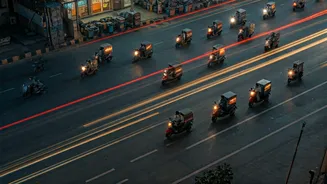
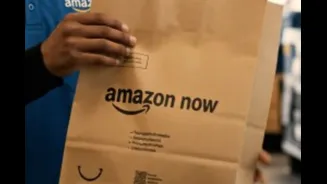
engaged in an aggressive expansion into Tier 2 and Tier 3 cities, recognizing that the next wave of growth lies in 'Bharat'. Recent announcements show a clear strategic shift. Flipkart Minutes, for instance, has expanded to over 130 cities, with a significant focus on smaller markets like Ambala, Bokaro, and Darbhanga, reporting a staggering 42-fold growth in these areas. Similarly, Amazon has revealed plans to expand its Amazon Now service to over 300 cities, aiming for the widest geographic footprint in the country. This push means that millions of new customers in once-overlooked towns are gaining access to the instant gratification that urban consumers have become accustomed to.
What's Driving the Small-City Rush?
Several factors are fueling this expansion. First, the metro markets are becoming saturated, with intense competition for every customer. In contrast, Tier 2 and 3 cities represent a massive, untapped consumer base with rising aspirations and increasing digital fluency. The widespread availability of affordable smartphones and cheap data, partly thanks to government initiatives like Digital India, has brought millions online. These new consumers are not just browsing; they are shopping. Reports indicate that smaller cities already contribute to a majority of e-commerce demand, with order volumes growing significantly faster than in Tier 1 cities. Companies have also found that while orders in big cities are often small and frequent, shoppers in smaller towns tend to place larger, more valuable orders, which can lead to better profitability.
The Local Impact: Convenience vs. Competition
The arrival of speed commerce is a double-edged sword for local economies. For consumers, it brings unprecedented convenience, wider product selection, and competitive pricing. It also creates new jobs, primarily for delivery partners and warehouse staff. However, the model poses a significant threat to traditional kirana stores, which have long been the backbone of neighbourhood retail. These small, family-run shops struggle to compete with the deep discounts, technological prowess, and delivery speed of q-commerce platforms. Some studies suggest that thousands of kirana stores have already shut down due to this pressure, especially in urban areas where the competition is fiercest. While some local stores are adapting by partnering with delivery platforms or digitizing their operations, many face an uncertain future.
The Road Ahead: Logistics, Profitability, and Adaptation
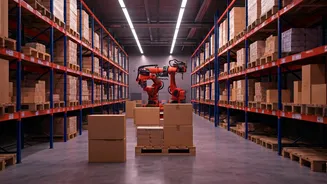
Expanding into smaller cities is not without its challenges. Logistical complexities, such as navigating varied road networks and ensuring a consistent supply chain, are significant hurdles. Unlike the metro playbook, companies must adapt their product assortments to local tastes and consumption patterns. The core challenge for all q-commerce players remains profitability. The model runs on thin margins, high operational costs from running numerous 'dark stores' (local fulfilment centres), and intense price competition. As these services scale, the ability to optimize logistics, manage inventory efficiently, and build customer loyalty will be critical for long-term sustainability. The race is on, not just to deliver the fastest, but to build a model that works for both the business and the diverse communities it serves.