



Prioritise Warmth and Digestion
The damp, humid weather during the monsoon can make our digestive system sluggish. According to health experts, this is the time to favour warm, freshly cooked meals over cold or raw foods. Think of warm soups, steamed vegetables, and freshly prepared
dals. These are not only comforting but also easier for your body to process. Incorporating spices like turmeric, ginger, garlic, and black pepper into your cooking can also be beneficial. These ingredients are known for their antimicrobial and immune-boosting properties, which are especially helpful during a season when infections are common. Even a simple switch from cold salads to lightly steamed or stir-fried vegetable preparations can make a significant difference.
Embrace Soups and Stews
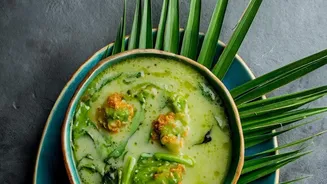
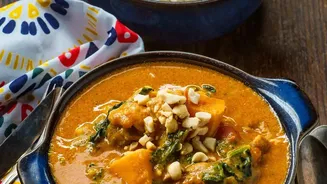
One-pot meals are the heroes of practical monsoon cooking. A hearty soup or a wholesome stew can serve as a complete meal that is both satisfying and packed with nutrients. A simple moong dal soup, a mixed vegetable stew, or a flavourful rasam are excellent choices. These dishes provide hydration and are gentle on the stomach. If you eat non-vegetarian food, consider preparing light chicken stews or soups instead of heavy, spicy curries, which can be harder to digest. The beauty of a one-pot meal lies in its simplicity; it minimises clean-up while maximising comfort and nourishment, making it a perfect fit for a rainy evening.
Choose Proteins Wisely
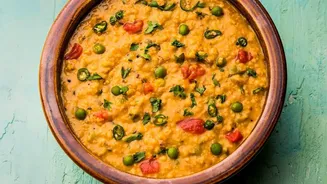
While protein is essential for a strong immune system, heavy meats can be difficult to digest during the monsoon. Lighter proteins are a smarter choice for your evening meal. Lentils and pulses, such as moong dal, are highly recommended because they are easy on the digestive system. Khichdi, a classic Indian comfort food made from rice and lentils, is an ideal monsoon dinner. It's a balanced meal that can be customised with seasonal vegetables. Probiotic-rich foods like homemade curd and buttermilk are also great additions as they support gut health. For those who consume eggs, well-cooked preparations are a good source of protein. It is generally advised to be cautious with seafood during this season, as it's the breeding period for many fish and the risk of contamination can be higher.
Incorporate Seasonal Produce
Eating seasonally is always a good practice, and the monsoon is no exception. Vegetables like bottle gourd (lauki), ridge gourd (turai), bitter gourd (karela), and pumpkin are excellent choices as they are rich in fibre and have high water content. It's crucial to wash all vegetables thoroughly before cooking to remove any contaminants. While leafy greens are nutritious, they can be prone to dirt and germs during the rains, so they require extra careful cleaning and should always be cooked rather than eaten raw. For fruits, opt for those with thick peels like pomegranates, pears, and apples, which are less likely to be contaminated.
A Sample Hearty and Practical Dinner
So, what does a balanced monsoon dinner look like? A perfect example would be a warm bowl of vegetable khichdi served with a side of plain curd. The khichdi combines easily digestible grains and lentils for protein and energy, while the added vegetables provide essential vitamins. The curd offers probiotics to aid digestion. Another great option is a simple meal of rotis made from whole grains like jowar or ragi, served with a light vegetable curry, such as one made with bottle gourd, and a bowl of warm dal tempered with ginger and cumin. These meals are deeply satisfying without being heavy, striking the perfect balance between hearty and practical.