





First, What Is a Rain Shadow?
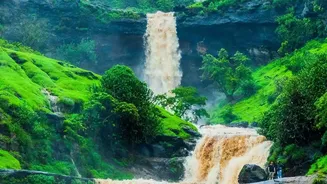
It’s a simple but dramatic phenomenon. When moisture-heavy monsoon winds encounter a large mountain range, they are forced to rise. As the air ascends and cools, it dumps most of its rain on the windward side. By the time the air crosses over the mountains
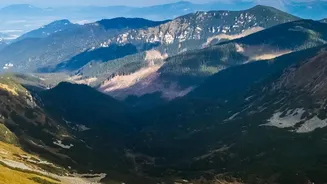
to the leeward side, it's left with very little moisture, creating a dry, often arid or semi-arid, region. In India, the two most prominent examples are the Himalayas, which block clouds from reaching the Tibetan plateau, and the Western Ghats, which create a dry zone on the Deccan Plateau. These geographical quirks create perfect opportunities for a rain-free August holiday.
The High-Altitude Desert: Ladakh
Ladakh is the classic rain-shadow destination, and for good reason. Sheltered by the Great Himalayan Range, it remains almost entirely dry while the rest of the country is drenched. August is arguably the best month to visit; the high mountain passes are open, the landscape is starkly beautiful, and the weather is pleasantly warm during the day, with daytime temperatures in Leh often ranging from 15°C to 25°C. This is the ideal time for road trips to the surreal, colour-shifting Pangong Tso, exploring the sand dunes of Nubra Valley, and visiting ancient, cliff-side monasteries like Thiksey and Hemis. While the roads leading into Ladakh from Manali can still be affected by monsoon rains in lower altitudes, once you are in the valley itself, you can expect clear skies and epic vistas. Be sure to acclimatise properly for a couple of days in Leh to adjust to the high altitude before venturing further.
A World Within a World: Lahaul and Spiti
Often mentioned in the same breath as Ladakh, the valleys of Lahaul and Spiti in Himachal Pradesh are another fantastic trans-Himalayan escape. Spiti, in particular, is a cold desert that lies in a rain shadow, making it largely dry and accessible in August. It offers a rawer, more remote adventure than Ladakh. The journey itself is a major part of the experience, involving high passes and dramatic, winding roads. In August, the region is accessible, and you can explore some of the oldest monasteries in the Buddhist world, such as Key Gompa and Tabo Monastery. While the core valley stays dry, access routes can sometimes face disruptions from landslides caused by monsoons in the lower reaches, so it’s wise to build a few buffer days into your itinerary.
The Deccan’s Dry Belt: Rayalaseema & Beyond
If a high-altitude adventure isn't on your agenda, look towards the leeward side of the Western Ghats. While the western slopes in states like Kerala and Karnataka receive torrential rain, the eastern side on the Deccan Plateau remains significantly drier. Regions like Rayalaseema in Andhra Pradesh receive far less rainfall and offer a completely different kind of escape. This area is rich in history and dramatic landscapes. You can explore the incredible stone fort of Gandikota, often called the 'Grand Canyon of India', visit the ancient temple town of Lepakshi with its famous monolithic Nandi, or discover the vast Belum Caves. While not entirely rain-free, the showers are much lighter and less frequent than on the coast, and the landscape, freed from the scorching summer heat, is more pleasant to explore. Anantapur, a district in this region, is known for being one of the driest in the country.