


The Sweet Surrender
For years, the default way to flavour a cold beverage was a pump of brightly coloured, factory-made syrup. While convenient, these syrups often come with a high sugar content, a chemical aftertaste, and a list of ingredients that reads more like a lab
report than a recipe. Today’s discerning consumer is looking for more. There's a growing demand for 'clean labels', transparency in sourcing, and a return to more natural, wholesome ingredients. This collective shift in consciousness has opened the door for a vibrant array of traditional Indian botanicals to step into the spotlight. They offer not just flavour, but also a story, a sense of place, and functional benefits that artificial syrups simply cannot match. The result is a cold brew that is not just a drink, but an experience – a fusion of modern brewing techniques and ancient botanical wisdom.
Hibiscus: The Ruby Red Refresher
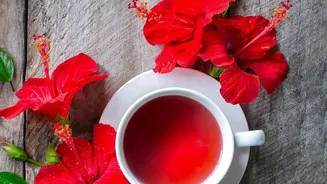
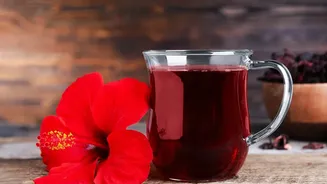
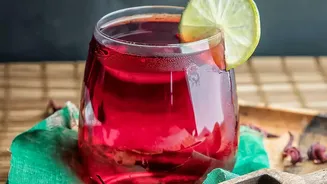
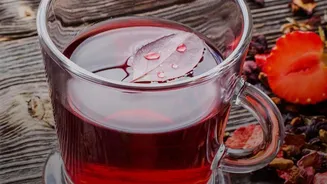
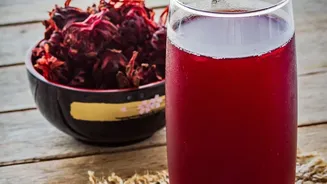
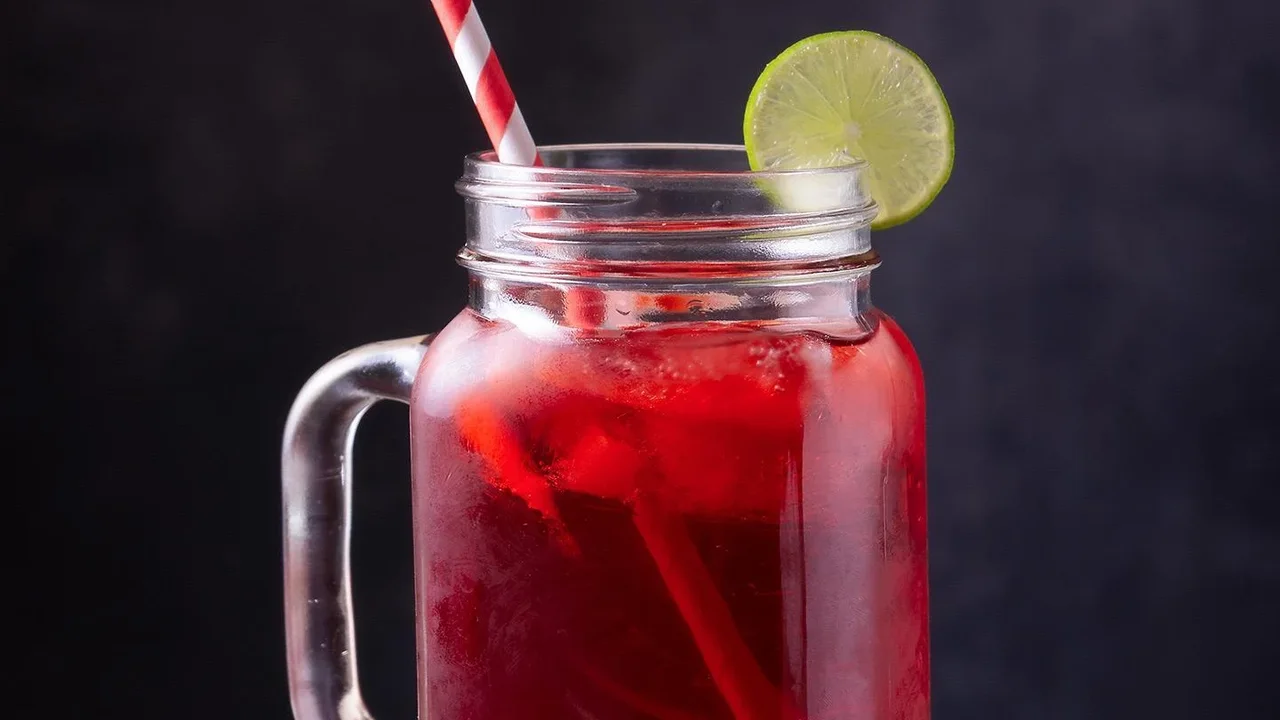
One of the most visually stunning additions to any cold brew is the hibiscus flower. Steeping dried hibiscus calyces (the part of the plant used in teas) releases a brilliant ruby-red hue that is entirely natural. But its appeal is far more than just skin deep. Hibiscus imparts a distinctively tart and fruity flavour, often compared to cranberries or raspberries, which provides a refreshing counterpoint to the smoothness of cold brew tea. This natural acidity can balance a blend without adding sugar. Brands and home brewers alike are using hibiscus to create vibrant, tangy infusions that are as beautiful as they are delicious. To make a simple hibiscus infusion, the dried flowers are cold-steeped along with the tea leaves, slowly releasing their colour and flavour over several hours.
Tulsi: The Queen of Herbs
Tulsi, or Holy Basil, has been a cornerstone of Ayurvedic medicine for centuries, revered for its myriad health benefits. Now, it’s finding a new role as a sophisticated flavouring agent in modern beverages. Unlike its sweet Italian cousin, Tulsi has a complex profile that is peppery, slightly spicy, and subtly sweet. When infused in cold brew tea, it adds an aromatic, almost mystical note that is both calming and invigorating. Tulsi is celebrated as an adaptogen, believed to help the body manage stress. This makes a Tulsi-infused cold brew a 'functional beverage' that does more than just quench thirst; it can also promote a sense of balance and well-being. Its immunity-boosting properties are another reason for its rising popularity, especially among health-conscious consumers.
Kokum: The Tangy Coastal Cooler
Hailing from the western coastal regions of India, kokum is a superfruit celebrated for its culinary and medicinal uses. The deep purple-black rind of the fruit is sun-dried and used as a souring agent in curries and drinks. Its flavour is uniquely tangy and slightly sweet, and it has long been used to make refreshing 'sherbets' to combat the summer heat. In cold brew tea, kokum serves a similar purpose to hibiscus, providing a natural tartness and a lovely pinkish hue, but with a different, earthier flavour profile. It’s a natural digestive aid and is known for its cooling properties, making a kokum-infused cold brew the perfect antidote to a hot afternoon.
Rose and Cardamom: The Aromatic Classics
The combination of rose and cardamom is a timeless classic in Indian sweets and beverages, and it translates beautifully to cold brew tea. Dried rose petals lend a delicate, floral sweetness, while green cardamom pods provide a warm, fragrant spice. Together, they create an infusion that is aromatic and sophisticated, evoking the essence of a royal garden. Unlike a heavy syrup, this pairing offers layered, nuanced flavour without overwhelming the natural character of the tea itself. A cold brew infused with rose and cardamom can be a luxurious, dessert-like treat that feels indulgent yet remains light and natural. This combination proves that you can achieve deep, satisfying flavour using nothing more than dried flowers and spices.