








Beyond the Shoreline
A growing number of travellers are swapping sandy shores for the lush, tranquil hills of the Goan hinterlands. This shift is part of a broader trend towards eco-tourism and a desire for more authentic, immersive experiences. Away from the coastal buzz,
Goa's spice plantations offer a serene escape, providing a fascinating glimpse into the state's agricultural heritage that predates its reputation as a beach paradise. For centuries, spices like pepper, cardamom, and cinnamon were incredibly valuable commodities, and Goa's fertile landscape was ideal for their cultivation. Today, these family-owned farms are opening their doors, inviting visitors to connect with the land in a slower, more meaningful way.
A Walk Through Nature's Pantry
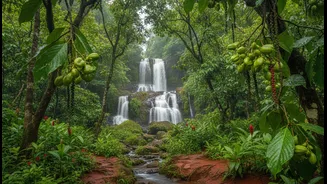
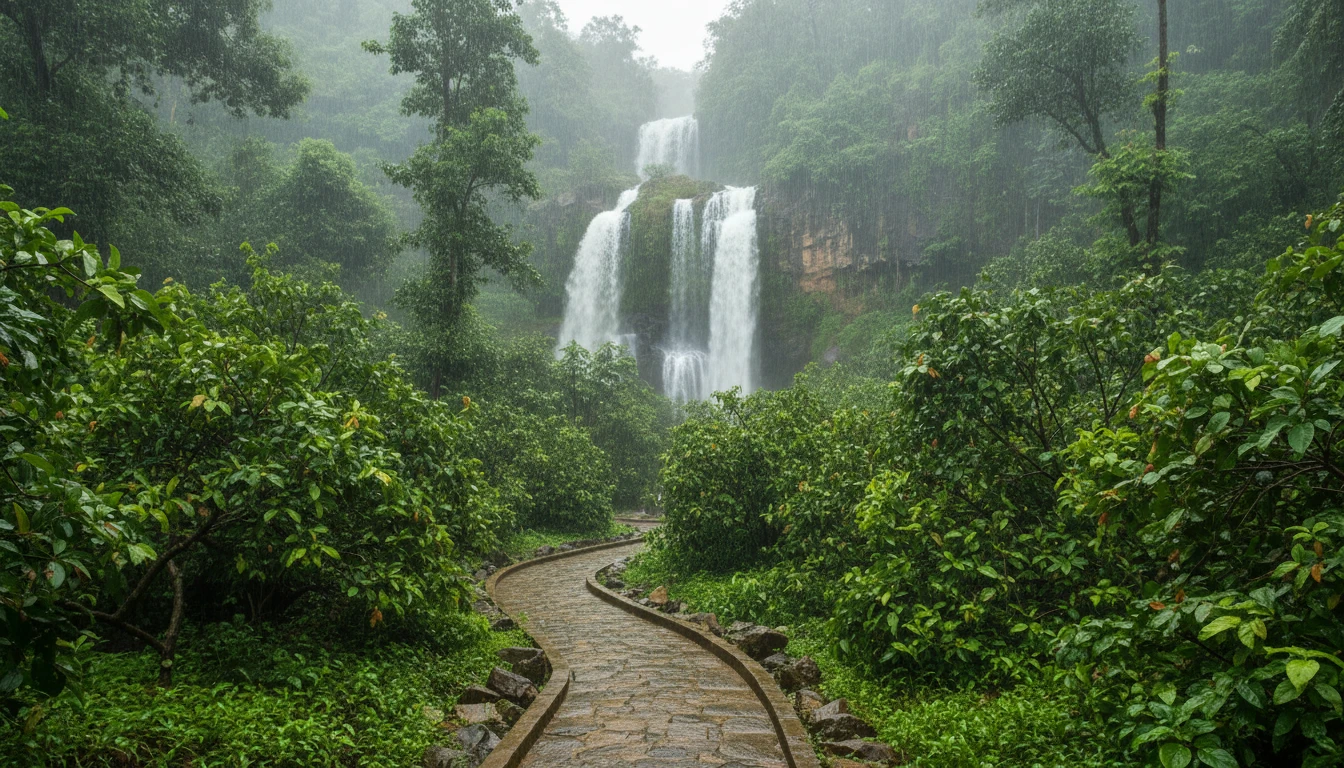
A typical tour of a Goan spice plantation is a full sensory experience. Visits usually begin with a traditional welcome, often including a refreshing herbal tea made from local ingredients. A knowledgeable guide then leads you through shaded pathways, pointing out spices in their natural forms—black pepper as vines climbing trees, nutmeg fruits hanging from branches, and cinnamon harvested from bark. Many visitors are surprised to see how familiar kitchen staples actually grow. The air is thick with the scent of cloves, vanilla, and cardamom, and the atmosphere is calm and peaceful, punctuated only by birdsong and the rustling of leaves.
From Farm to Plate
One of the undisputed highlights of any spice plantation visit is the food. Almost all tours culminate in a traditional Goan buffet lunch, showcasing the very spices you've just learned about. The meals are simple but incredibly flavourful, often featuring dishes like fish curry, chicken xacuti, vegetable preparations, and local rice. The food is cooked using freshly grown spices, giving it an unmatched aroma and taste. Served in an open-air dining area, often on a banana leaf or in earthenware pots, this farm-to-table meal provides a delicious and authentic taste of Goan culinary identity.
Notable Spice Sanctuaries
Goa is home to several well-regarded spice plantations, mostly concentrated in the Ponda region. Sahakari Spice Farm and Tropical Spice Plantation are two of the most popular, known for their comprehensive tours and warm hospitality. Savoi Plantation is one of the oldest, offering a deep dive into the history of spice farming in the area. For those seeking a more rustic experience, places like Tanshikar Spice Farm in the Western Ghats offer a closer connection to nature with opportunities for birdwatching and trekking. Many farms, such as Pascoal Spice Village, also integrate cultural performances and demonstrations of organic farming.
More Than Just Spices
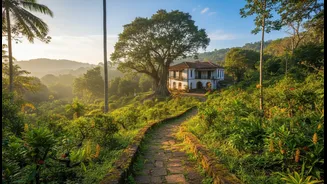
Beyond the standard tour and lunch, many plantations offer additional activities to enrich the visitor experience. Some estates provide opportunities to learn about the distillation of Cashew Feni, Goa's famous local spirit. While elephant rides were once a common feature, it's important to note that these have since been banned in Goa, reflecting a move towards more ethical tourism practices. Many farms have small shops where you can purchase fresh, high-quality spices, oils, and local handicrafts to take home. Some plantations even offer overnight stays in eco-friendly cottages, allowing for a complete immersion in the tranquil environment.