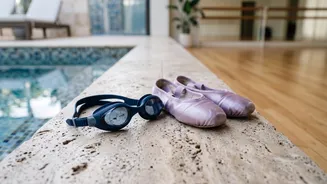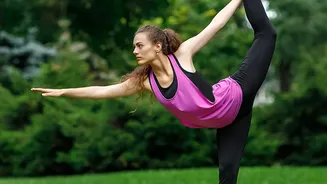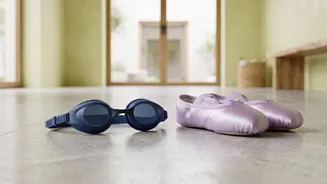



Choosing a workout you’ll actually stick with is half the battle. Swimming and dancing are two fantastic options that feel more like fun than a chore. But while both boost your health, they place very different demands on your body and lifestyle.
Cardiovascular Health: Heart-Pumping Benefits
Both
swimming and dancing are excellent forms of aerobic exercise that strengthen your heart and improve circulation. Dancing, especially styles like salsa, hip-hop, or even a high-energy wedding dance floor session, consistently keeps your heart rate up. The continuous movement can lower blood pressure and improve endurance over time. Similarly, swimming laps is considered a vigorous cardio activity. It gets your heart pumping and improves how efficiently your body uses oxygen, reducing the risk of heart disease. Because the water supports your body, you can often work out for longer, extending the cardiovascular benefits.
Muscle Toning: A Full-Body Breakdown
Swimming is famous for being a total-body workout. As you pull and kick against the water's resistance, you engage nearly every major muscle group, from your back and shoulders (latissimus dorsi and deltoids) to your core, glutes, and legs. Different strokes target muscles in unique ways; for example, breaststroke heavily involves the glutes and quads, while butterfly is an intense core and upper-body challenge. Dance also provides a full-body workout, with an emphasis on building strength and balance. It engages muscles from all angles and planes of motion, toning your legs, glutes, and core. The specific muscles worked can vary dramatically by style—ballet builds lean strength and control, while hip-hop develops power and agility.
Joint Impact: Gentle Support vs. Rhythmic Stress
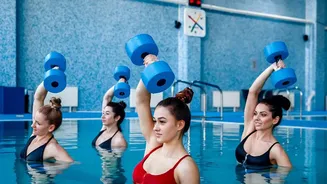
This is one of the biggest differentiators. Swimming is celebrated for being a low-impact exercise. The buoyancy of water supports your body weight, taking stress off your joints, which makes it an ideal choice for people with arthritis, injuries, or joint pain. You can get a vigorous workout with a low risk of strain. Dancing, on the other hand, is a weight-bearing activity. The level of impact varies widely by style. Ballroom dancing can be relatively gentle, but high-energy styles involving jumping, like street dance or some forms of ballet, place significant stress on your knees and ankles. While this impact helps build bone density, it might not be suitable for everyone.
Calorie Burn: The Intensity Question
The number of calories you burn depends heavily on intensity, duration, and your own body weight. Some studies suggest that high_energy dance styles can burn a significant number of calories, sometimes even more than swimming. For instance, an hour of vigorous street or swing dancing may burn over 500 calories. An average person might burn between 500–800 calories in a high–intensity Zumba class. Swimming also offers a substantial calorie burn. A moderate pace might burn around 400–500 calories per hour, but more demanding strokes like the butterfly can burn upwards of 900 calories an hour. Ultimately, the activity you can perform at a higher intensity for longer will burn more calories for you.
Accessibility, Cost, and The Fun Factor
Dancing has a very low barrier to entry. You can do it for free in your living room with an online video, or join a class. Dance classes can range in price, but offer social interaction and structured learning, which many people find motivating. Swimming requires access to a pool, which can involve membership fees at a gym, YMCA, or community center. Group swim lessons for adults often cost between $20 and $40 per session, with private lessons being significantly more. In terms of enjoyment, the choice is purely personal. Many find the social and expressive nature of dance to be a powerful mood booster that reduces stress and anxiety. Others prefer the quiet, meditative rhythm of swimming laps, which can also alleviate stress and provide mental clarity.