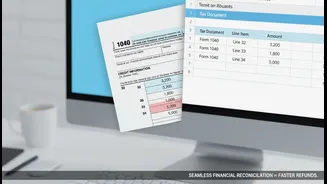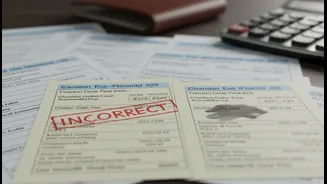









The Big Shift: From Speed to Scrutiny
For the last few years, the income tax filing process was a race for speed, with the department using technology to process returns and issue refunds in record time. Many taxpayers grew accustomed to seeing their refund credited within a week or two of
filing. However, for the current assessment year (AY 2026-27), the focus has pivoted dramatically. The tax department is now employing more stringent verification processes, using sophisticated AI-powered systems to cross-verify every detail of your return. This 'accuracy-first' approach means that while a simple, perfectly matched return might still get processed quickly, any return with the slightest inconsistency is being flagged for a closer look. This shift is not about penalising taxpayers, but about ensuring the integrity of the system and preventing incorrect or fraudulent claims from slipping through.
Why the Change? Cracking Down on Mismatches
The primary driver for this enhanced scrutiny is the department's goal to curb tax evasion and incorrect claims. With powerful tools like the Annual Information Statement (AIS) and Taxpayer Information Summary (TIS), tax authorities have a comprehensive view of your financial life. These documents consolidate information on your salary, interest income, dividend payouts, property transactions, and high-value investments. When the data you declare in your ITR doesn't align with the data in your AIS, it raises a red flag. The department is particularly focused on common areas of discrepancy, such as inflated deduction claims (like HRA without sufficient proof), unreported interest income, or mismatches in capital gains reporting. This rigorous matching process is designed to ensure that refunds are issued only after the claimed information is thoroughly authenticated.
What This Means for Your Refund Timeline
The most immediate impact for taxpayers is a potential delay in receiving refunds. While the department is legally required to process returns filed for FY 2025-26 by December 31, 2026, the days of a guaranteed 7-to-10-day turnaround are over for many. If your return is selected for further verification due to data mismatches or high-value refund claims, the processing time could extend from weeks to months. It is crucial to set realistic expectations. The new system prioritises correctness, and that extra verification step takes time. Panicking or repeatedly checking the portal won't speed it up. The key is to ensure your filing is flawless from the start.
Your New Accuracy-First Filing Checklist
To navigate this new environment and ensure the smoothest possible refund process, meticulous preparation is key. Before you hit 'submit' on your ITR, follow this checklist: 1. Reconcile Everything: Do not blindly trust pre-filled data. Download your AIS, TIS, and Form 26AS. Cross-check every entry—salary, interest, TDS—against your own records like Form 16 and bank statements. 2. Validate Your Bank Account: An incorrect or non-validated bank account is a leading cause of refund failure. Ensure the account you want the refund credited to is pre-validated on the e-filing portal. 3. Choose the Right ITR Form: Filing the wrong form can lead to a defective return and delays. Use the portal's help feature if you're unsure which form (ITR-1, 2, 3, etc.) applies to your income sources. 4. Report All Income: Don't forget small interest payments from savings accounts or dividends. The AIS tracks these, and omitting them is a common red flag. 5. E-Verify Immediately: Filing your return is only half the job. You must e-verify it within 30 days. The quickest way is through an Aadhaar OTP. An unverified return is considered invalid, and the processing clock doesn't even start.