






The Problem With Monsoon Humidity
When heavy rains lash outside, we instinctively shut our windows. While this keeps the water out, it traps moisture inside. This spike in indoor humidity is more than just a comfort issue. High humidity creates the perfect breeding ground for mould, mildew,
and dust mites. These can trigger allergies, worsen respiratory conditions like asthma, and leave a persistent musty odour on clothes, furniture, and walls. Over time, excessive dampness can even cause structural damage to your home, from peeling paint to warping wood. The goal during the monsoon is to keep indoor relative humidity below 60% to prevent these issues.
Rethinking the Open Window
While opening windows for fresh air is standard practice, it can be counterproductive during a downpour. If the air outside is saturated with moisture, you are simply inviting more humidity in. The key is to be strategic. Open windows during drier parts of the day, often in the late morning or afternoon when the rain has subsided. This allows you to flush out the stale, humid air that has built up inside. Creating cross-ventilation by opening windows on opposite sides of the home for even 15-20 minutes can dramatically improve air circulation without letting in too much moisture.
The Crucial Role of Exhaust Fans
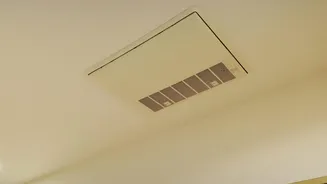
Exhaust fans in kitchens and bathrooms are your most powerful allies against humidity. These areas are major sources of indoor moisture from cooking and showering. Running an exhaust fan pulls the humid air directly out of the house before it can spread. Unlike ceiling fans that merely circulate air, exhaust fans actively remove the problem at its source. Make it a habit to switch on the exhaust fan every time you cook or bathe, and leave it running for 15-20 minutes afterward to clear any lingering steam and odours.
Using Your Air Conditioner as a Dehumidifier
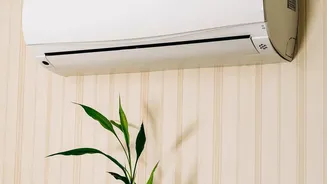
An air conditioner is highly effective at tackling humidity. Most modern AC units come with a 'Dry Mode' or 'Dehumidifier' setting, which is tailor-made for the monsoon. This mode runs the compressor at a lower speed, focusing on removing moisture from the air rather than just cooling it. The result is a comfortable, less sticky environment without making the room excessively cold. Even in standard cooling mode, an AC naturally dehumidifies, which is why it's important to ensure its drainage pipe is clear and functioning properly.
Ceiling Fans and Low-Cost Hacks
Ceiling fans do not reduce humidity, but they improve comfort by creating airflow, which helps sweat evaporate from your skin, making you feel cooler. For a low-cost, natural approach to absorbing moisture, several household items can help. Placing open bowls of rock salt or baking soda in damp corners, cupboards, or wardrobes can effectively absorb excess moisture from the air. These are particularly useful for small, enclosed spaces that lack good airflow. Some indoor plants, like peace lilies and snake plants, are also known to help balance indoor air quality.