





The Great Green Makeover
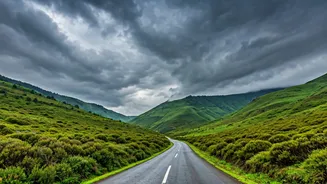
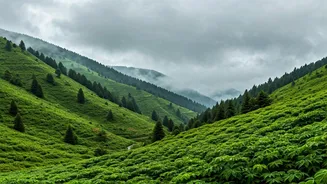
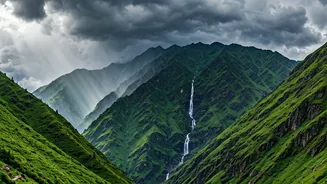
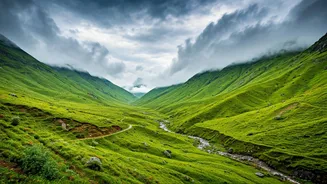
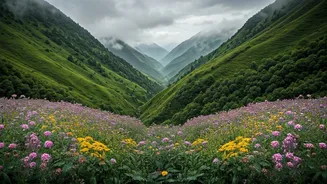
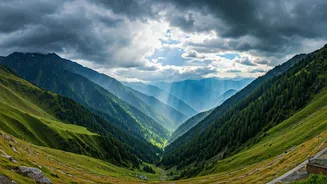
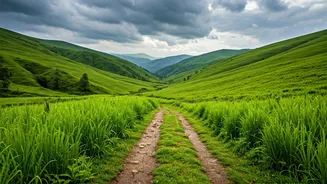
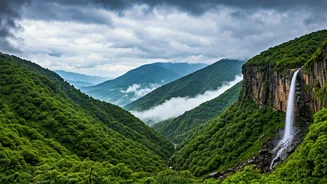
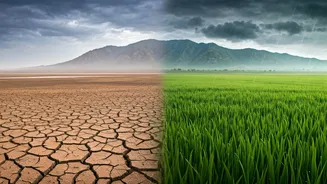
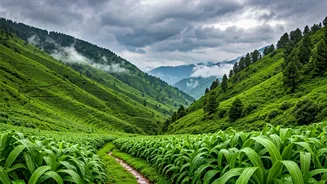
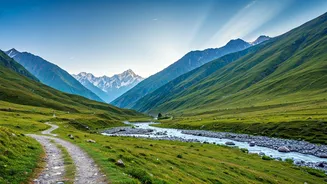
After months of summer heat, the monsoon gives North India a breathtaking emerald transformation. The Aravalli hills in Rajasthan and the mighty Himalayan foothills in states like Uttarakhand and Himachal Pradesh shed their brown, dusty cloaks for a vibrant,
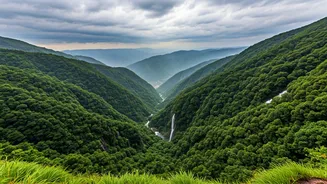
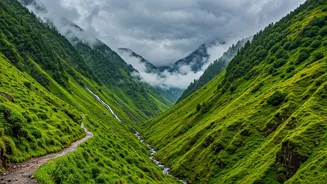
near-fluorescent green. Destinations like Mussoorie, Shimla, and Kausani become misty wonderlands where clouds float through valleys and forests. Waterfalls such as Kempty Falls and Elephant Falls, which are mere trickles in summer, roar back to life, creating spectacular sights. This lush rebirth makes it an ideal time for nature lovers to witness landscapes at their most alive and picturesque. The Valley of Flowers in Uttarakhand, a UNESCO World Heritage site, literally bursts into a carpet of colourful blooms during this period.
A Feast for the Senses
The monsoon is an experience best enjoyed with all senses. It begins with petrichor, the intoxicating earthy scent of the first rain on dry soil. This is often followed by the simple, profound joy of sipping a hot cup of masala chai while watching the downpour. The culinary scene also shifts dramatically. Street corners and homes fill with the aroma of deep-fried snacks, which somehow taste better when it's raining outside. Crispy pakoras (fritters), hot samosas, and spicy chaat become the unofficial foods of the season. Another quintessential monsoon sight is vendors selling bhutta—corn on the cob roasted over coals and seasoned with lime juice, salt, and chilli powder. This combination of sounds, smells, and tastes creates a unique and comforting atmosphere.
The Cozy and Romantic Atmosphere
There's an undeniable romance to the monsoon in the hills. The season offers a quieter, more intimate travel experience with fewer crowds. Hill stations like Mussoorie, Nainital, and Shimla become shrouded in a gentle mist, creating a dreamy, almost mystical ambience perfect for romantic getaways. Strolling along a rain-washed Mall Road, enjoying panoramic views from a viewpoint as clouds drift by, or simply reading a book in a cozy cafe becomes a cherished experience. Even cities in the plains, like Udaipur, take on a special charm. Its lakes fill up, and the famous Monsoon Palace (Sajjangarh Palace) lives up to its name, offering stunning views of the rain-drenched city.
A Time for Festivals and Celebration
The arrival of the monsoon is so vital to life in India that it is welcomed with numerous festivals. Teej, celebrated primarily by women in Rajasthan, Uttar Pradesh, and Bihar, is one of the most significant. It marks the reunion of Lord Shiva and Goddess Parvati and celebrates marital bliss, but it is deeply tied to the monsoon's arrival. Women dress in vibrant green and red clothes, apply henna, and gather to sing and swing on beautifully decorated swings hung from trees, celebrating the rejuvenation of nature. Other important festivals like Raksha Bandhan and Janmashtami also fall during this rainy period, adding to the season's festive spirit.
An Offbeat Adventurer's Paradise
For those who don't mind getting a little wet, the monsoon opens up unique opportunities for adventure. The rain-washed landscapes make for stunning trekking trails, though caution is advised. Lesser-known destinations like Dharamkot in Himachal Pradesh or Munsiyari in Uttarakhand become serene havens for travellers seeking peace away from the usual tourist rush. The Triund trek from Dharamkot offers an ethereal journey as clouds play hide-and-seek with the Dhauladhar range. With lower hotel rates and fewer tourists, the monsoon is often the perfect time for budget-conscious travellers and those seeking solitude to explore the region's raw, unfiltered beauty.