



The Health and Wellness Mandate
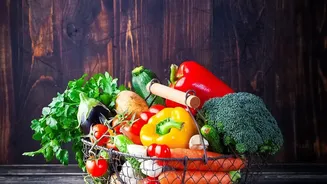
The most significant shift in grocery habits among young Indians is the undeniable pivot towards health and wellness. This isn't just a niche interest anymore; it's a mainstream movement. Spurred by a post-pandemic surge in health consciousness and growing
awareness of lifestyle-related diseases, shoppers are actively seeking out foods they perceive as beneficial for their long-term well-being. Organic products are at the forefront of this trend, with the market for them expanding rapidly. Young consumers, particularly in urban areas, are driving demand for foods free from chemical pesticides and fertilisers, viewing organic as a safer and healthier alternative. This generation is also fuelling the popularity of traditional grains like millets, but in modern, easy-to-use formats such as bread, dosa mixes, and cookies.
The Clean Label Revolution
Closely tied to the health wave is the demand for “clean labels.” Young consumers are increasingly skeptical of long, complicated ingredient lists filled with unpronounceable names. They want transparency and simplicity. This means they are looking for products with short, recognisable ingredients and minimal processing. Claims like “no artificial additives,” “preservative-free,” and “no added sugar” have become powerful purchasing triggers. This has forced many food companies to reformulate their products, removing artificial colours, flavours, and preservatives to win the trust of this discerning demographic. Reading nutritional labels, once a rare habit, is now commonplace, as shoppers actively educate themselves about what they are consuming.
Convenience is King, and It's Delivered in Minutes
While health is a priority, it cannot come at the cost of convenience. The rise of quick commerce platforms like Zepto, Blinkit, and Swiggy Instamart has fundamentally reshaped urban grocery shopping. The promise of delivery in under 30 minutes has created a new standard of instant gratification. This has led to a significant behavioural shift: instead of planning for weekly bulk purchases, many young Indians now engage in frequent, small-basket shopping based on immediate needs. Before the advent of quick commerce, only a third of frequent urban shoppers preferred online channels for daily needs; that number has now soared to over 80%. This model is not just shifting sales from physical stores; it's also creating new demand by making impulse purchases incredibly easy.
The Conscious and Connected Shopper
Beyond personal health, a growing sense of environmental and ethical responsibility is influencing grocery lists. While there is still a gap between intention and action, sustainability is a significant factor for many young consumers. Gen Z, in particular, shows a preference for brands with eco-friendly practices, sustainable sourcing, and responsible packaging. This generation is also highly connected, with social media playing a huge role in food discovery. Trends, recipes, and product recommendations from influencers and creators on platforms like Instagram drive demand for everything from protein-rich snacks and gourmet foods to global flavours like Korean instant noodles.