







First Things First: Visas and Paperwork
Before booking anything, sort out your visas. For Indian passport holders, both Vietnam and Cambodia have streamlined their processes. For Vietnam, the 90-day e-visa is the most popular and recommended option. You can apply through the official government
portal, and it typically takes 3-5 working days. The fee is approximately $25 USD for a single entry. For Cambodia, Indian citizens can get a visa on arrival at major airports or apply for an e-visa online beforehand for a fee of around $30-$36 USD. The e-visa is often faster, letting you skip queues upon landing. Ensure your passport has at least six months of validity from your date of entry for both countries.
Booking Flights from Chennai
Your largest expense will likely be flights. From Chennai (MAA), there are no direct flights to either country, but numerous one-stop options are available via hubs like Singapore, Kuala Lumpur, or Bangkok. Airlines like Scoot, AirAsia, and IndiGo often provide budget-friendly fares. A smart strategy is to book an 'open-jaw' ticket: fly into Hanoi (HAN) or Ho Chi Minh City (SGN) in Vietnam and fly out of Siem Reap (REP) or Phnom Penh (PNH) in Cambodia. This saves you the time and money of backtracking. Round-trip fares from Chennai can range from ₹24,000 to ₹50,000 depending on the season and how far in advance you book.
Crafting the Perfect Itinerary
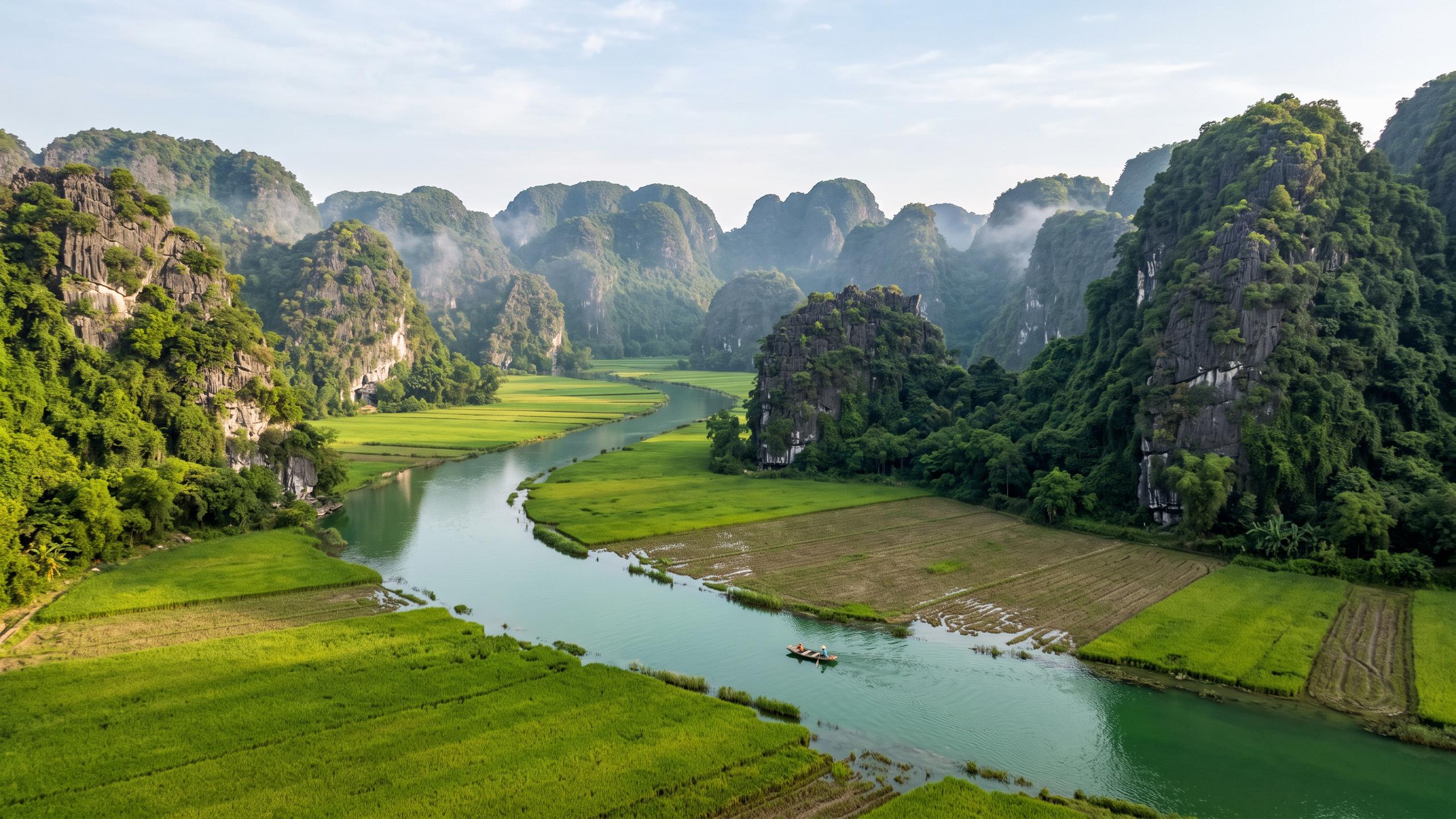
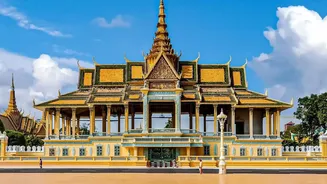
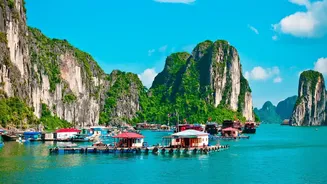
A classic route is to travel from north to south in Vietnam before crossing into Cambodia. A 10 to 14-day trip allows you to see the highlights without feeling too rushed. Start in Hanoi, Vietnam's charming capital, and take an overnight cruise through the stunning limestone karsts of Ha Long Bay. From there, fly or take an overnight train to Central Vietnam to explore the lantern-lit streets of Hoi An. Your final Vietnamese stop could be the energetic Ho Chi Minh City in the south, which serves as a gateway to the Mekong Delta. From Ho Chi Minh City, you can take a 6-8 hour bus to Cambodia's capital, Phnom Penh. After exploring Phnom Penh's history, travel to Siem Reap, the home of the magnificent Angkor Wat temple complex.
Budgeting for Your Trip
Vietnam and Cambodia are incredibly budget-friendly destinations. For a mid-range travel style—staying in 3-star hotels, eating a mix of street food and restaurant meals, and taking some guided tours—plan for a daily budget of about ₹4,000 to ₹6,000 per person. Accommodation can be found for as little as ₹1,000-₹2,000 per night for a clean, private room. Street food is a highlight and very affordable, with a delicious bowl of Pho or a Banh Mi costing under ₹200. In Cambodia, it's useful to carry US dollars, as they are widely accepted and dispensed from ATMs, while Vietnamese Dong is the primary currency in Vietnam.
Packing Essentials for Southeast Asia
Pack light, breathable clothing made of cotton or linen. The climate is tropical, so expect heat and humidity. Include a light rain jacket, especially if traveling during the monsoon season (May to October). You will be doing a lot of walking, so comfortable shoes are non-negotiable. For visiting temples, particularly Angkor Wat, you must cover your shoulders and knees, so pack long pants or skirts and a scarf. Other essentials include a universal travel adapter, a power bank for long travel days, insect repellent, and any personal medications.
Getting Around and Staying Connected
Both countries have excellent and affordable travel infrastructure. For getting around cities, ride-hailing apps like Grab are popular, cheap, and reliable. For longer distances in Vietnam, overnight trains are a scenic and comfortable option, while buses are the go-to for intercity travel in Cambodia. To stay connected, it's best to buy a local SIM card upon arrival at the airport in each country. Viettel and Vinaphone are good choices in Vietnam, while Smart and Cellcard are reliable in Cambodia. This is far cheaper than using international roaming.