





Understanding Late-Monsoon Rafting
The rafting season in Rishikesh typically shuts down during the peak monsoon months of July and August for safety reasons. The grand reopening happens in September, often around the middle or end of the month, once authorities inspect the river and declare
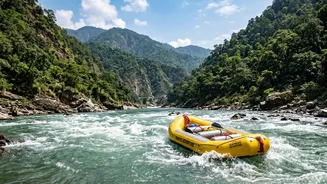
it safe. This 'late-monsoon' or post-monsoon period is one of the best times to go. The river is full and energetic, creating more exciting rapids than in the drier winter months. For 2026, rafting is expected to resume around September 23rd, making it the perfect time to plan a trip. However, higher water levels also mean stronger currents. It is crucial to choose your rafting operator and stretch wisely, especially as a beginner.
Choosing the Right Stretch for Your Skill Level
Rishikesh offers several rafting routes, each with a different length and difficulty, measured in grades. For a first-timer in high-water conditions, the choice of stretch is critical. The 9-km route from Brahmpuri is the classic beginner’s choice, with mostly Grade I-II rapids. The most popular route is the 16-km stretch from Shivpuri, offering a mix of calm sections and thrilling Grade II-III rapids like Roller Coaster and Golf Course. Longer, more intense routes like the 24-km Marine Drive stretch are best left for more experienced rafters. As a beginner, stick to the Brahmpuri or Shivpuri routes. A good operator will advise you on the safest option based on the day's water levels.
How to Book Smart and Save Money
The key to a budget trip is avoiding unnecessary markups. While online portals are convenient, you can often get better rates by booking directly with operators in Rishikesh, particularly in the Tapovan area. If you’re in a group, you’ll have more bargaining power. Travelling on a weekday is almost always cheaper than on a crowded weekend. Be wary of touts offering suspiciously low prices, like ₹600 for a Shivpuri run; these are often scams involving overcrowded rafts and uncertified guides. A standard 16-km Shivpuri trip should cost around ₹1,000-₹1,200 per person, which includes transport, a certified guide, and all safety equipment.
Don’t Compromise on Safety Gear and Guides
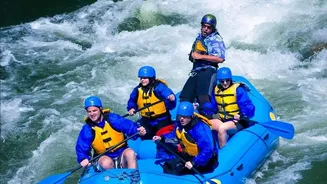
Your biggest saving should never be on safety. Reputable operators are approved by Uttarakhand Tourism and provide essential, high-quality gear: a well-fitted life jacket, a helmet, and a paddle. Ensure your guide is certified and gives a thorough safety briefing before you hit the water. They will teach you paddling commands and what to do if you fall overboard. A crucial but often overlooked safety feature is the presence of a safety kayaker, who paddles alongside the raft to perform quick rescues in challenging rapids. Always confirm that your operator provides one, especially for routes with Grade III or higher rapids.
Affordable Stays and Transport
Rishikesh is incredibly budget-friendly if you know where to look. Instead of expensive hotels, consider the numerous hostels and guesthouses in areas like Tapovan and near Laxman Jhula, where a bed can be very affordable. For food, skip the trendy cafes and eat at local dhabas for authentic and inexpensive meals. When it comes to transport, shared auto-rickshaws (vikrams) and local buses are the cheapest way to get around town. Many rafting packages include transport from the operator's office to the starting point and back, so you won’t need to worry about that on the day of your adventure.
What to Wear and What to Bring
Dressing appropriately is crucial for both comfort and safety. Avoid cotton clothing, which gets heavy when wet. Instead, opt for quick-drying synthetic materials like a polyester t-shirt and shorts. Secure footwear is a must; wear river sandals or floaters, not flip-flops that can easily come off. You won't be able to take your phone or wallet on the raft unless you have a completely waterproof dry bag. Leave valuables at your hotel. Most operators provide a dry bag on the raft for small essentials. Remember sunscreen, and if you wear glasses, make sure to secure them with a strap.