







What Exactly Is Seasonal Eating?
At its core, seasonal eating is the practice of consuming foods at the time of year they are naturally ready for harvest. It means eating mangoes in the summer, mustard greens (sarson) in the winter, and corn (bhutta) during the monsoon. Before global
supply chains made it possible to buy strawberries in December, this was simply how everyone ate. It’s a philosophy that aligns our plates with nature’s cycles, promoting a diet that is fresher, more flavourful, and often more nutritious. Instead of following a rigid set of rules, you let the season guide your choices, creating a natural rhythm and variety in your meals throughout the year.
The Wisdom We Forgot
This isn't a new wellness fad; it's ancient wisdom. In India, the concept is deeply embedded in Ayurveda as 'Ritucharya,' a lifestyle and diet regimen based on the seasons. Our ancestors understood that the body's needs change with the environment. In the heat of summer, they ate cooling foods like cucumber and watermelon. During the cold, dry winter, they consumed warming, nutrient-dense foods like root vegetables and millet rotis with ghee. This traditional approach wasn't about weight loss. It was about maintaining 'dosha' balance, boosting immunity, and ensuring the body had the right fuel to thrive in any given season. By returning to this practice, we reconnect with a sustainable and time-tested way of living.
More Flavour, More Nutrients
One of the most compelling reasons to eat seasonally is the undeniable improvement in taste and nutritional value. A tomato harvested at its peak in winter is juicy, fragrant, and packed with flavour. An out-of-season one, picked unripe and transported across long distances, is often pale and bland. When produce is allowed to ripen naturally on the vine or in the ground, it develops its full nutritional profile. Studies have shown that seasonal fruits and vegetables can be richer in antioxidants, vitamins, and minerals. You get more health benefits and a far more satisfying culinary experience, all without having to analyse a single nutrition label.
A Guide to India’s Seasonal Bounty
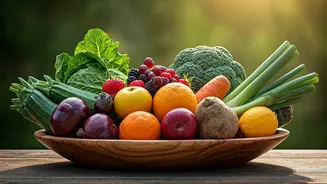
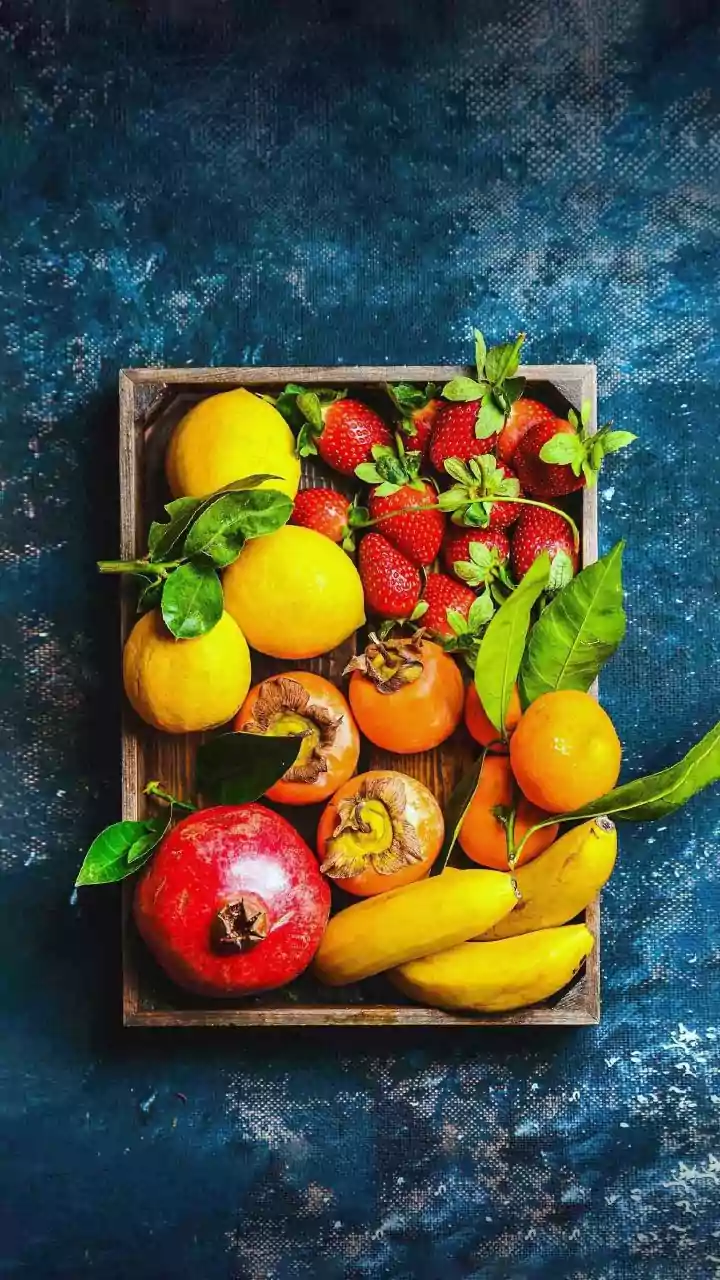
Embracing seasonal eating is as simple as visiting your local sabzi mandi and seeing what’s abundant and affordable. Here’s a quick guide to get you started: **Summer (March – June):** This is the season for hydrating and cooling foods. Look for mangoes, watermelon, muskmelon, litchi, cucumbers, tomatoes, and gourds like lauki (bottle gourd) and tori (ridge gourd). **Monsoon (July – September):** The rains bring a unique harvest. Enjoy jamun, peaches, plums, cherries, corn on the cob, and leafy greens (be sure to wash them thoroughly). It’s also a great time for gourds like bitter gourd (karela) and pointed gourd (parwal). **Winter (October – February):** As the air cools, the markets fill with hearty, warming produce. This is the time for oranges, pomegranates, guava, carrots, beetroot, radish, and a wonderful variety of greens like spinach (palak), fenugreek (methi), and mustard greens (sarson).
How to Start Today
Starting your seasonal eating journey doesn't require a dramatic overhaul. Begin with small, simple steps. When you go grocery shopping, make a conscious effort to buy one or two vegetables that are clearly in season. Challenge yourself to cook with them. You'll notice they are not only cheaper but also taste significantly better. Pay attention to what local street vendors are selling—they are often the best indicators of what’s truly in season. This shift in mindset encourages you to be more creative in the kitchen and builds a deeper appreciation for the food on your plate.