





The Rise of the Eco-Friendly Bappa
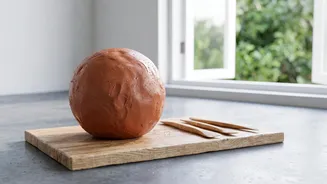
The most significant trend this Ganpati season is the decisive shift towards sustainability. Many Mumbai families are opting for eco-friendly idols, moving away from traditional Plaster of Paris (PoP). Idols made from natural Shadu clay, paper-mâché,
and even red soil that can be planted after the festival are in high demand. This conscious choice reflects a growing environmental awareness, with households looking to celebrate without harming the city's water bodies. Idol makers report that the demand for eco-friendly options has surged, with paper-mâché idols gaining popularity due to being lightweight and easily dissolvable, making them perfect for at-home immersions.
Decorations: Personal, Minimal, and Meaningful
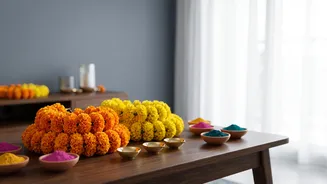
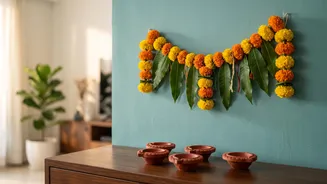
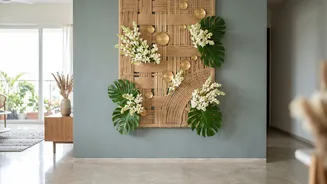
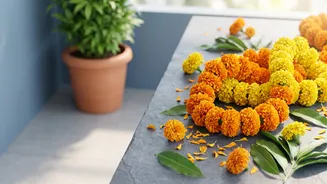
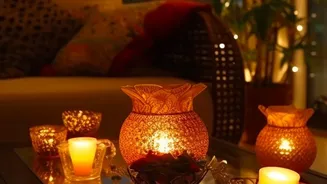
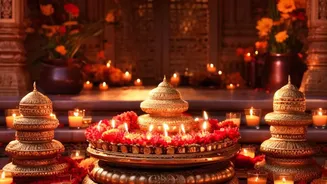
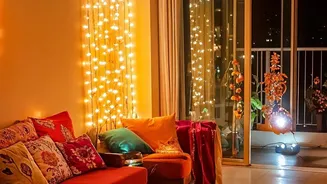
Gone are the days of extravagant, plastic-heavy decorations. The trend for 2026 is all about creating a beautiful and personal space for Bappa with a minimalist and natural touch. Many families are using their own elegant sarees, like Banarasi silks, as rich, timeless backdrops for the mandap. DIY decorations using paper fans, origami, and jute are also popular, offering a budget-friendly and creative way to deck the halls. Another key trend is 'Nature Meets Minimalism', which involves using potted plants, fresh flowers like marigolds and lotuses, and brass diyas to create a serene and pure environment for the idol. This approach not only looks elegant but also champions a more sustainable and thoughtful celebration.
The Festive Menu: Classic Meets Contemporary
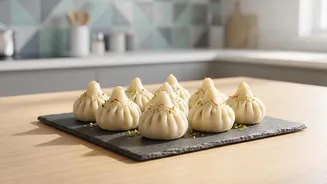
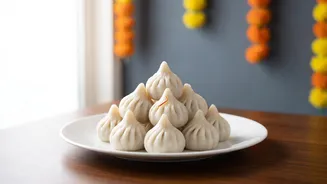
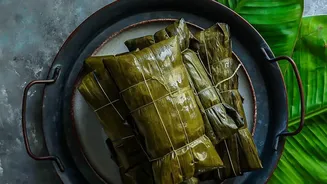
No Ganesh Chaturthi is complete without a feast, and the star of the show is always the modak, believed to be Lord Ganesha's favourite sweet. While the traditional steamed Ukadiche Modak remains a staple, households are also experimenting with new variations. You'll find everything from fried modaks and dry fruit modaks to modern twists like chocolate, saffron, and even modak-flavoured ice cream. Beyond modaks, the festive platter includes Maharashtrian classics like Puran Poli, Varan Bhaat, and Batata Bhaji. Many are also exploring lesser-known traditional recipes, reviving culinary heritage as part of the celebration.
Celebrating Together: Old Traditions, New Ways
While the festival is deeply personal, it has always had a strong community aspect. In 2026, households are finding new ways to share the joy. Many housing societies are organising collective, eco-friendly celebrations and arranging for artificial tanks for immersion to protect the environment. The trend of smaller, more intimate gatherings at home continues, with families focusing on quality time and meaningful rituals. Following the lessons from past years, some families continue to offer virtual darshans for relatives who live far away, using technology to bridge distances and share blessings. This blend of in-person and digital sharing ensures that the spirit of community remains at the heart of the festival.