







The Rise of the Micro-Vacation
Forget the meticulously planned, two-week annual leave. The new travel mantra is shorter, more frequent, and hyper-local. Across India’s metros, young professionals and families are redefining their weekends. Instead of staying put, they are packing overnight
bags and hitting the road for 48-hour adventures. This isn’t about ticking off a bucket list of far-flung destinations; it’s about decompression. The goal is to swap the concrete jungle for green hills, cityscapes for seascapes, or simply a different neighbourhood with a better cafe. These 'micro-vacations' are becoming a non-negotiable part of the urban Indian’s calendar, a routine reset button pressed every few weeks.
What's Driving the Great Escape?
Several forces are fuelling this trend, but the most significant catalyst was the pandemic. The long periods of lockdown created immense pent-up demand for travel, often dubbed 'revenge travel'. But it also triggered a deeper psychological shift. The fragility of plans and the monotony of working from home fostered a 'carpe diem' mindset. Furthermore, the widespread adoption of flexible and remote work arrangements has blurred the lines between office and home, and paradoxically, between work and leisure. If you can log in from anywhere, why not make 'anywhere' a scenic homestay in the hills? This newfound flexibility, combined with a collective desire to prioritise mental well-being over the relentless hustle, has made the weekend getaway more accessible and appealing than ever before.
Destinations of a New Generation
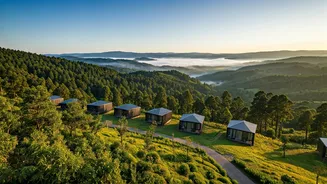
The beneficiaries of this trend are driveable destinations located within a 150-250 km radius of major cities. Think Lonavala and Alibaug for Mumbaikars, the Nandi Hills and Coorg for Bengalureans, or the hills of Himachal and Uttarakhand for those in the NCR. These locations offer an easy escape without the hassle and expense of flights. The rise of high-quality homestays, boutique hotels, and experiential resorts in these areas has also been a major draw. Social media plays a huge role, with Instagram feeds acting as real-time travel brochures. A picturesque cafe in Kasauli or a serene villa in Puducherry can become a viral destination overnight, driven by the desire for shareable moments and a break from the ordinary.
The 'Workation' Economy
This isn't just a cultural shift; it's a burgeoning economic ecosystem. The hospitality industry, once reliant on seasonal tourist rushes, is now seeing more consistent, year-round occupancy thanks to weekend travellers. Hotels and homestays are adapting quickly, offering 'workation' packages complete with high-speed Wi-Fi, dedicated workspaces, and all-inclusive meal plans. This caters perfectly to the digital nomad or the employee on a hybrid schedule who wants to blend productivity with leisure. Local economies in these tourist towns are also thriving, with cafes, local tour operators, and artisan shops benefiting from the steady influx of visitors with disposable income. It represents a decentralisation of tourism, spreading the economic benefits beyond the traditional hotspots.