





The Dampness Danger
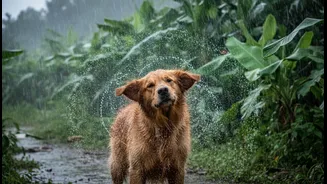
The Indian monsoon's defining feature—high humidity—is the primary challenge for pet health. Constant dampness creates the perfect breeding ground for bacteria, fungi, and yeast, turning your pet's beautiful coat into a potential hotspot for infections.
Prolonged moisture weakens the skin's natural protective barrier, making it easier for issues like pyoderma (bacterial skin infection), ringworm, and yeast infections to take hold, especially in skin folds, ears, and paws. This is why keeping your pet as dry as possible isn't just about comfort; it's the first line of defence against a host of painful and persistent skin ailments.
A Daily Paw Patrol
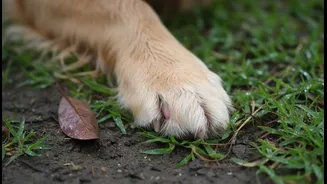
Paws are on the front line, coming into direct contact with muddy paths and contaminated puddle water that can harbour harmful bacteria. This makes a post-walk paw cleaning routine non-negotiable. After every outing, wash your pet's paws with lukewarm water and a mild, pet-safe cleanser. Pay special attention to the spaces between the toes, where moisture and debris get trapped and can cause fungal infections. Dry them completely with a soft towel. Regularly check for any redness, cuts, or swelling. Applying a protective paw balm before walks can also create a useful barrier.
Essential Coat and Fur Care
Never let your pet air-dry after getting wet in the rain, as trapped moisture is a primary cause of skin infections. Use an absorbent towel to pat them dry thoroughly, focusing on the underbelly and areas with folds. For pets with thick or long coats, a pet-friendly dryer on a low-heat setting is recommended to ensure the fur is completely dry close to the skin. Regular brushing—ideally daily during monsoon—is crucial to remove dirt, prevent matting, and improve air circulation to the skin. Many vets also suggest a shorter haircut for the season to make drying quicker and maintenance easier.
The Battle Against Parasites
The warm, humid monsoon climate is paradise for ticks, fleas, and mites. These external parasites are not just a nuisance; they can transmit serious diseases like tick fever and cause severe allergic reactions like Flea Allergy Dermatitis (FAD). Their activity peaks during this season, so vigilance is key. Conduct daily checks of your pet's coat, especially in warm, hidden areas like behind the ears, between the toes, and under the collar. Crucially, continue with your vet-recommended tick and flea prevention program without fail.
Ear and Eye Hygiene
The ears are another high-risk area. Moisture can easily enter the ear canal during walks or from the humidity, creating a warm, damp environment perfect for painful bacterial and yeast infections. This is especially true for floppy-eared breeds. Clean your pet's ears gently every week with a vet-approved cleaning solution. Look for signs of infection like redness, discharge, or an unusual odour. Similarly, keep the area around the eyes clean by gently wiping away any discharge with a soft, damp cloth to prevent irritation.
Bathing and Bedding Routines
While keeping your pet clean is important, over-bathing can strip their skin of natural oils, making it more vulnerable. A bath every two to three weeks is generally sufficient unless your pet gets extremely muddy. If your pet is prone to skin issues, your vet might recommend an antifungal or medicated shampoo. Just as important is their living space. Damp bedding is a breeding ground for fungi and bacteria. Wash your pet’s bedding more frequently during the monsoon, ensuring it is completely dry before they use it again.