





The Soul of the Snack: Fresh Mint Coriander Chutney
The perfect chutney, often called 'hari chutney', is the vibrant, spicy, and tangy counterpoint to the rich, fried pakora. Making it at home is incredibly simple and allows you to control the balance of flavours. The key is using fresh herbs. For this
recipe, you will need a large bunch of fresh coriander (cilantro), including the tender stems, and about half that amount of fresh mint leaves. [6, 9] Remove the thicker, tougher stems from the mint as they can make the chutney bitter. [10, 14] To a blender, add two cups of packed coriander and one cup of packed mint leaves. [14] To this, add one or two green chillies (depending on your spice preference), a small piece of ginger, and a couple of cloves of garlic for a pungent kick. [14] For tanginess, squeeze in the juice of one large lemon. [6] A teaspoon of sugar and salt to taste will balance the flavours. [14] A secret to keeping the chutney's vibrant green colour is to add a few ice cubes or a splash of ice-cold water while blending; this prevents the heat from the blender from oxidising the herbs. [4, 23] Blend everything into a smooth, pourable paste, adding cold water a tablespoon at a time only if necessary. [14, 20]
Crafting the Crispy Vegetable Pakora
The secret to an addictively crispy pakora lies in the batter and the choice of vegetables. A classic pakora is not a doughy ball but a light, uneven fritter where the vegetables are the star. For the vegetables, you can use a variety of options, but a mix of thinly sliced onions, grated or julienned potatoes, and perhaps some spinach or finely chopped cabbage works wonderfully. [2, 5, 7] The key is to slice the vegetables thinly so they cook through and become crisp. [11] The batter is made primarily from besan (gram flour). In a large bowl, combine about one and a half cups of besan with spices. Essential spices include a teaspoon of red chilli powder, a teaspoon of cumin seeds or powder, a pinch of turmeric for colour, and salt. [1, 4] For extra crispiness, many cooks swear by adding a few tablespoons of rice flour or a teaspoon of cornflour to the besan. [11, 12] A pinch of baking soda can also make the pakoras lighter and fluffier. [2]
From Batter to Bliss: Frying Perfection
First, mix your sliced vegetables with the dry flour and spice mixture. Let this sit for about 10 minutes. The salt will draw moisture out of the vegetables, which will help moisten the flour. [2, 5] After waiting, begin adding cold water, a little at a time, mixing until you have a very thick batter that just coats the vegetables. [1, 12] You want more vegetables than batter for the crispiest result; the batter should just bind everything together. [1, 3] Heat about two inches of a neutral oil in a heavy-bottomed pan or kadhai over medium-high heat. The oil is ready when a small drop of batter sizzles and rises to the top but doesn't brown instantly. [3] Using your hand or a spoon, drop small, irregular clumps of the batter into the hot oil. [3] Don't overcrowd the pan, as this will lower the oil temperature and result in soggy pakoras. [3] Fry for a few minutes on each side until they are golden brown and crisp. To ensure they are cooked through, it's best to fry them on a medium flame. [11] Once fried, remove the pakoras with a slotted spoon and let them drain on a wire rack instead of a paper towel. The rack allows air to circulate, preventing the bottoms from steaming and getting soft. [3, 12]
Serving and Storing Your Homemade Delights
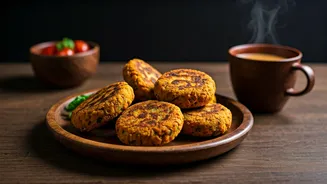
Pakoras are at their absolute best when served immediately, hot from the fryer, alongside your freshly made mint coriander chutney. The contrast between the hot, crunchy, savoury pakora and the cool, tangy, and spicy chutney is what makes this combination so beloved. For a complete experience, serve them with a hot cup of masala chai. Should you have any leftovers, the chutney can be stored in an airtight container in the refrigerator for up to a week. [20] Some people even freeze it in ice cube trays for longer storage. [22] Leftover pakoras can be reheated in an air fryer or a hot oven for a few minutes to regain some of their crispiness, although they are always best when fresh.