

The Kitchen with No Name
First, let's break down the terminology. A 'dark kitchen' — also known as a cloud kitchen, ghost kitchen, or virtual restaurant — is a professional food preparation facility set up exclusively for delivery. There's no storefront, no dining room, and no waiters.
The entire business model is built around receiving orders through online platforms like Swiggy and Zomato and dispatching them to customers' doorsteps. This stripped-down approach dramatically reduces the two biggest expenses of a traditional restaurant: high-rent real estate and front-of-house staff. By focusing solely on the food, entrepreneurs can launch with significantly less capital, making it a fertile ground for experimentation and niche concepts.
The Challenge for Regional Cuisines
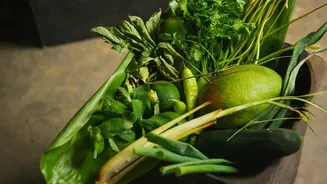
For decades, bringing hyper-regional or tribal food to a major metropolis was a formidable challenge. These cuisines, from the smoky pork dishes of Nagaland to the foraged greens of Jharkhand, carry profound cultural identity but are often unfamiliar to the mainstream urban palate. Entrepreneurs faced a daunting financial risk. Would enough people in Mumbai or Delhi pay for a dish made with fermented soybeans (akhuni) or bamboo shoots to justify a full-scale restaurant? The high costs of rent, staffing, and marketing in a competitive urban market often made such ventures unsustainable. As a result, many of India’s most unique culinary traditions remained largely inaccessible, enjoyed only within their home communities.
A Low-Risk Platform for Authenticity
This is where the cloud kitchen model becomes a game-changer. By removing the need for a physical dining space, the financial barrier to entry plummets. An entrepreneur passionate about their community’s food can start a delivery-only business from a shared kitchen space for a fraction of the cost of a traditional restaurant. This lean model allows them to test the market, build a following, and educate customers about their cuisine without the pressure of filling seats every night. For instance, a home chef from Assam can introduce the unique flavours of the Rabha tribe, or a cook from Meghalaya can share Khasi delicacies, reaching thousands of potential customers through delivery apps. Initiatives like Tata Steel Foundation's Samvaad have actively encouraged tribal entrepreneurs to use such platforms to create livelihoods and preserve their culinary heritage.
From Nagaland to Your Neighbourhood
The success of this model is already visible. In cities like Delhi, Bengaluru, and Mumbai, a growing number of delivery-only kitchens are dedicated to specific regional cuisines. Naga food, once considered niche, now fuels dozens of businesses in Delhi alone, many of them operating as cloud kitchens or delivery services. Entrepreneurs like Chuba Jamir, who founded the Mumbai-based Naga kitchen 'Naga Chukka' after missing his homemade food, see the model as a way to introduce authentic flavours to a wider audience. Diana, the founder of 'Bamboo Hut', a delivery-only Naga kitchen in Delhi, uses her platform to have important conversations about cultural identity through dishes like smoked pork with akhuni and bamboo shoot preparations. These ventures are not just businesses; they are cultural embassies, delivering a taste of home to diasporas and a plate of discovery to adventurous foodies.
More Than Just a Meal
The impact of this trend extends beyond convenience. For entrepreneurs, it's a pathway to economic empowerment, allowing them to turn cultural knowledge into a sustainable livelihood. For urban diners, it diversifies the food landscape, offering authentic experiences that go far beyond standard restaurant fare. Most importantly, it serves as a vital tool for cultural preservation. In a world of increasingly globalised tastes, these micro-cloud formats are creating a direct-to-consumer channel for cuisines that carry generations of history, technique, and ecological knowledge within them. Every order for a traditional tribal dish is a vote for culinary diversity, helping ensure these unique food traditions not only survive but thrive in modern India.