
The Science of Rainy-Day Cravings
That sudden urge for pakoras or samosas isn't just in your head; it’s a biological response. The drop in temperature and grey skies can lead to a slight dip in serotonin, the body's mood-regulating hormone. To compensate, our brain seeks a quick boost,
which it gets from carb-rich and fatty foods that trigger a rewarding dopamine release. Cooler, damp weather also makes our bodies crave warm, energy-dense foods to maintain core temperature. This combination of psychological and physiological triggers makes hot, crispy, and often fried snacks feel incredibly satisfying during a downpour. It's a craving built on instinct, mood, and, especially in India, a strong cultural connection between chai, fried snacks, and the monsoon.
The Case for Steamed Snacks
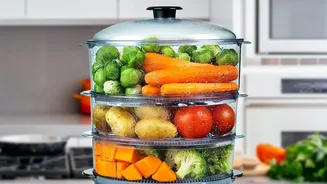
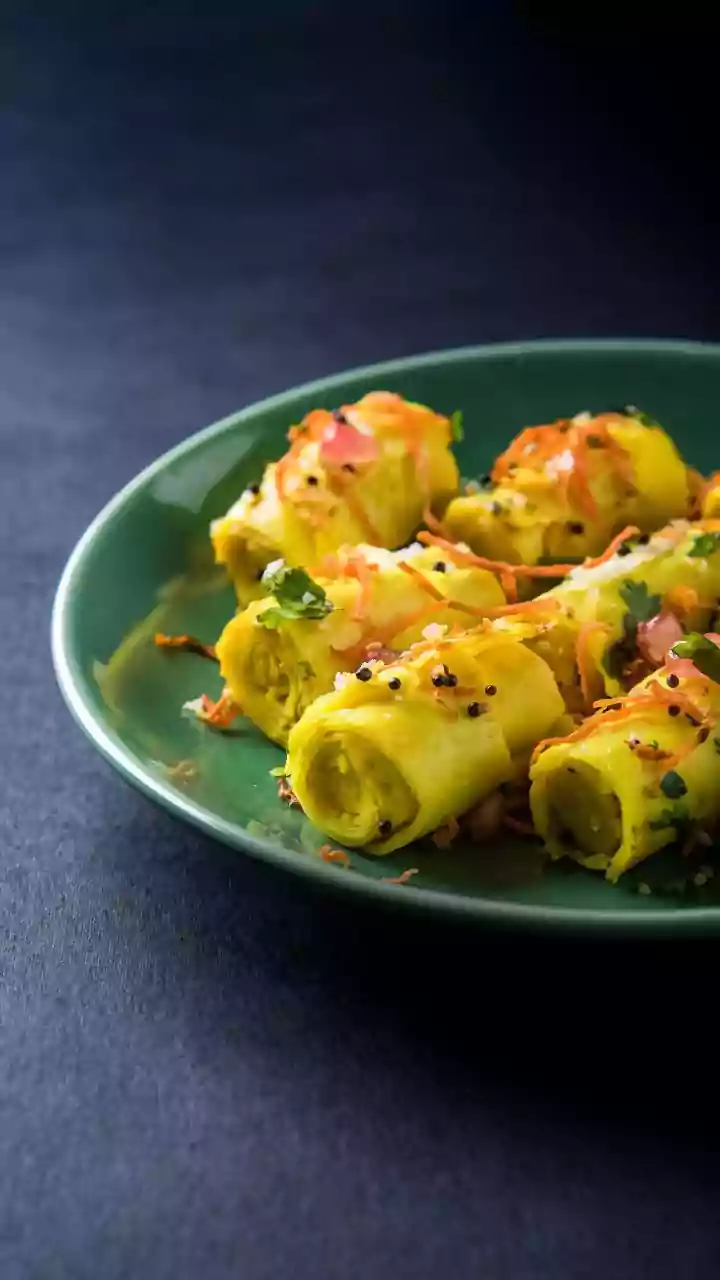
When you want to honour your cravings without the heaviness, steamed snacks are your best friend. Steaming is a gentle cooking method that uses no oil, immediately lowering the fat and calorie content of a dish. More importantly, it helps preserve the food's nutrients, particularly water-soluble vitamins and minerals that can be lost in other cooking processes. Because steamed foods are cooked with moist heat, they are often softer and easier for your system to digest—a significant advantage during monsoon season, when humidity can make digestion more sluggish. For a perfect rainy evening, think of fluffy dhokla with a light tempering, soft and pillowy idlis dipped in spicy chutney, or a plate of Tibetan-style momos filled with vegetables or chicken. These options provide warmth and comfort without weighing you down.
The Allure of the Griddle and Pan
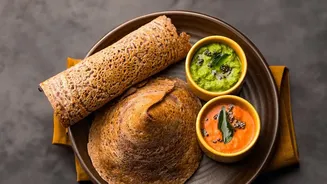
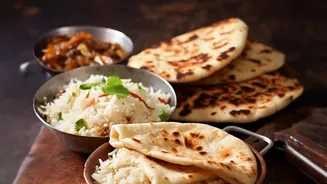
Let's be honest: nothing quite replicates the unique satisfaction of a crispy, golden-brown snack. That irresistible quality comes from a chemical process called the Maillard reaction. When food is cooked at high temperatures with dry heat—like on a griddle or in a pan with oil—the amino acids and sugars in the food react to create hundreds of new flavour and aroma compounds. This is what gives a paratha its toasted spots, a cheela its savoury crispiness, and a tikki its golden crust. While deep-frying submerges food in oil, griddling and pan-frying offer more control. You can achieve that desirable texture with significantly less fat. Snacks like moong dal cheela, aloo tikki, or even a simple toastie offer the comforting crunch and rich flavour that we often associate with rainy days, making them a delicious middle ground.
Finding a Healthy and Happy Medium
You don’t have to choose one or the other. The smartest way to approach monsoon snacking is by finding a balance. If you're craving something traditionally deep-fried like pakoras or samosas, try making them in an air fryer or baking them in the oven. Brushing them with a little oil is often enough to get a satisfyingly crisp exterior without the excessive grease. Another strategy is to upgrade your griddled snacks. Use a non-stick pan to minimise oil when making cheelas or tikkis, and load them with chopped vegetables to boost their fibre and nutrient content. For steamed snacks, elevate them with flavourful and healthy accompaniments. A spicy mint-coriander chutney or a tangy tomato salsa can make a simple idli or dhokla feel far more indulgent.
Smart Swaps for Classic Cravings
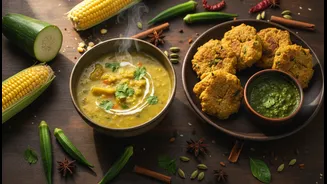
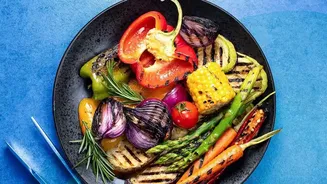
Navigating cravings is easier when you have a few simple swaps up your sleeve. Instead of deep-fried onion pakoras, try a pan-fried besan chilla loaded with onions and spices. If you're in the mood for samosas, consider making baked versions with whole wheat wrappers or trying a Maharashtrian snack like Kothimbir Vadi, which is first steamed and then lightly pan-fried for a crispy finish. Roasted corn (bhutta) seasoned with lemon and spices provides the warmth and satisfaction of a street-side snack without the oil. Even roasted makhana (fox nuts) or a bowl of corn bhel can provide a delightful crunch that satisfies the urge for something savoury and textured, making them excellent companions for a hot cup of chai on a rainy evening.