



The Allure of the Seamless Look
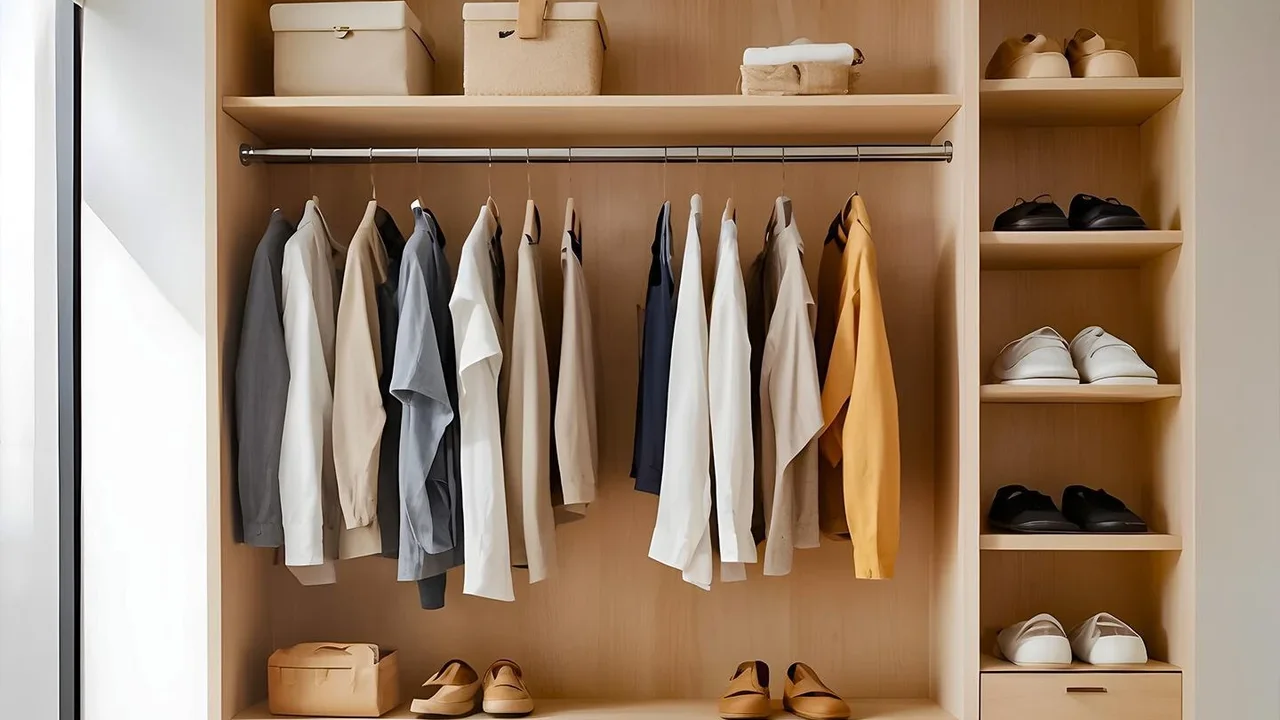
It’s easy to see why built-in storage is the default advice for small homes, especially in urban Indian apartments where space is a premium. Custom-built wardrobes, media units, and shelving that stretch from floor to ceiling create a clean, architectural
look. They promise to tame clutter by perfectly fitting into awkward nooks, under stairs, or along an entire wall, providing a designated spot for everything. This approach is often praised for making a room feel larger and more organised by maximising vertical space and keeping the floor clear. The integrated design feels intentional and high-end, suggesting a space that is not just lived in, but thoughtfully crafted.
The Hidden Downsides of Going Custom
Despite its powerful appeal, permanent built-in storage has significant drawbacks. The primary issue is its inflexibility. Once a custom unit is installed, it’s there for good. This makes it difficult and expensive to rearrange your furniture or change the room's function later. What works for a young couple might not work for a growing family. Another major factor is cost. Custom cabinetry and carpentry are significantly more expensive than buying freestanding furniture due to tailored design, materials, and labour. Poorly designed built-ins can also overwhelm a small room, making it feel smaller and heavier rather than more spacious. Lastly, if you live in a rented apartment, investing in permanent fixtures you can't take with you is often not a practical choice.
When Built-Ins Are the Right Answer
Built-in storage isn't inherently bad; it's just not a universal solution. It shines in specific scenarios. If you own your home and plan to stay for the long term, the investment can add significant value and daily functionality. They are a brilliant solution for genuinely awkward spaces—like a narrow alcove, a room with a sloped ceiling, or the dead space around a window—where no standard piece of furniture would ever fit properly. Built-ins are also ideal for creating multi-functional zones, which are common in many Indian households. A single custom unit can cleverly combine a wardrobe, a study desk, and a TV console, consolidating clutter and serving multiple needs within a single footprint.
The Case for Freestanding Flexibility
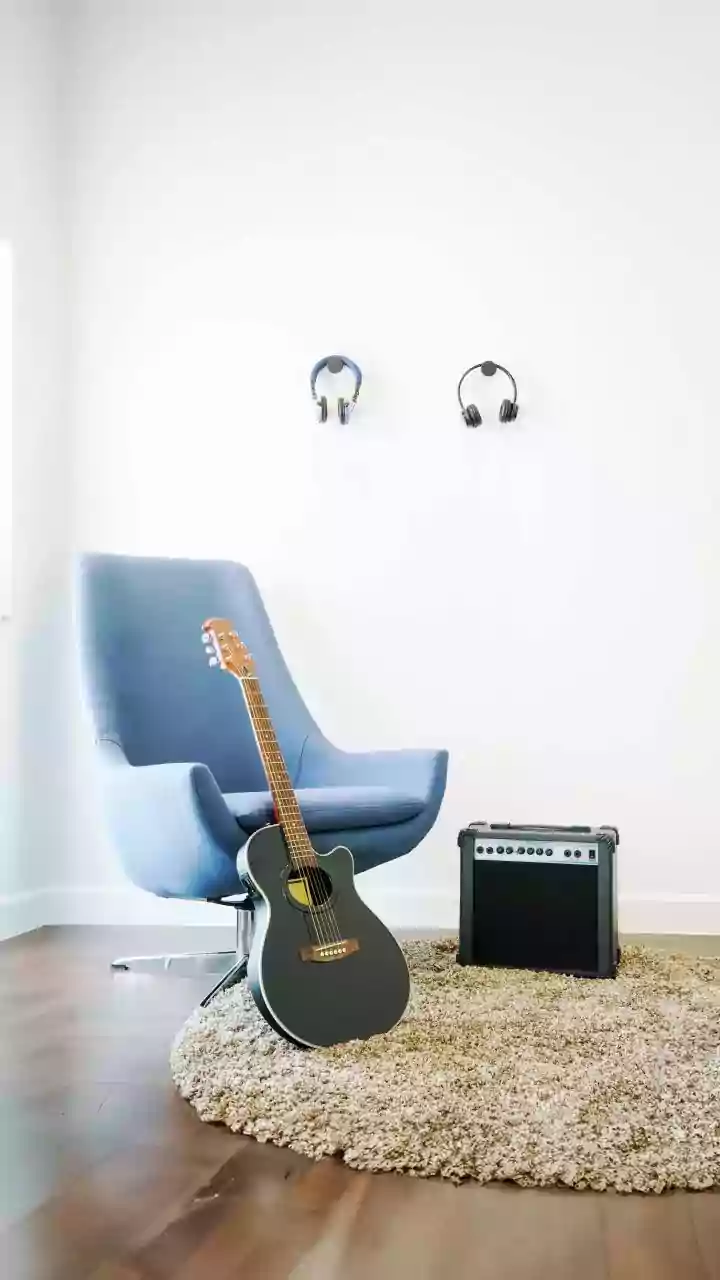
The alternative—freestanding furniture—offers what built-ins cannot: freedom and flexibility. In a world of changing needs and rental homes, the ability to move your furniture with you is a huge advantage. Freestanding pieces, such as modular wardrobes, open shelves, and multi-functional sofas, allow you to adapt your space as your life evolves. You can rearrange the layout for a fresh look, sell a piece that no longer serves you, or repurpose it in another room. Today, the market for smart, space-saving furniture is vast, offering everything from hydraulic beds with storage to extendable dining tables. These pieces allow you to express personal style more easily than uniform built-ins and can make a space feel more curated and less static.
Finding a Hybrid Harmony
For many, the best solution lies somewhere in the middle. A hybrid approach combines the permanence and seamlessness of built-ins with the adaptability of freestanding pieces. You might choose to install a floor-to-ceiling built-in wardrobe in the bedroom to handle the bulk of clothing storage, but use a stylish, freestanding console in the living room. Or perhaps you could use built-in shelves in a tight corner for books and decor while keeping the rest of the room's furniture movable. This strategy allows you to get the architectural benefit and massive storage of a custom piece where it’s most needed, while retaining flexibility in the main living areas. It’s about being strategic, analysing each room's function, and choosing the solution that best serves your lifestyle and budget.