






Not Your Grandmother's Nutrient
For decades, fibre was the sensible, boring part of nutrition. We knew it was good for us, primarily for preventing constipation. Found in plants, dietary fibre is essentially a carbohydrate that the body can't digest. It passes through our system relatively
intact, helping to add bulk and keep things moving. This includes soluble fibre, which dissolves in water to form a gel-like substance, and insoluble fibre, which does not. But its well-known benefits—including lowering cholesterol, controlling blood sugar levels, and aiding in maintaining a healthy weight—were often overlooked in favour of trendier nutrients. After years of protein-focused and low-carb diets dominating the conversation, the wellness world is shifting its focus to this fundamental nutrient.
The Gut Health Glow-Up
The main reason for fibre's newfound celebrity status is the explosion of interest in gut health. The wellness community is now rightly obsessed with the gut microbiome—the trillions of microorganisms living in our digestive tract. This is where fibre shines. Certain types of fibre, known as prebiotics, act as food for the beneficial bacteria in our gut. When these good bacteria ferment prebiotic fibre, they produce beneficial compounds like short-chain fatty acids (SCFAs). These SCFAs are vital for nourishing the cells lining our colon, strengthening the gut barrier, reducing inflammation, and even supporting our immune system. This connection has transformed fibre from a simple digestive aid into a key player for holistic health, influencing everything from immunity to mood.
Trending on Your Feed
Social media has been instrumental in fibre's rebranding. Influencers and wellness creators are popularising terms like "fibermaxxing," a trend focused on maximising daily fibre intake for better gut health and overall wellness. This has led to a surge in creative, fibre-rich recipes and new product formats entering the market. You'll now find fibre-fortified cereals, breads, yogurts, and even prebiotic sodas gaining popularity. While the intention is good, it's important to be cautious. Suddenly adding large amounts of fibre, especially from processed sources or supplements rather than whole foods, can lead to bloating, gas, and discomfort.
New Formats, Ancient Wisdom
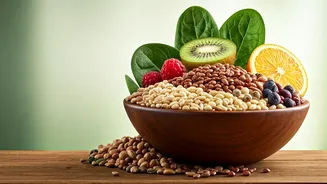
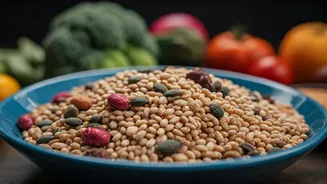
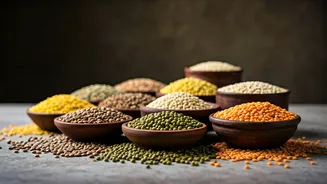
For many in India, a high-fibre diet is not a new trend but a cornerstone of traditional cuisine. Whole grains like jowar, bajra, and ragi, along with a vast array of lentils (dals), legumes like rajma and chana, and vegetables are all incredibly rich in fibre. Fruits like guava, papaya, and apples (with the skin on) are also excellent sources. While modern wellness trends introduce fibre in new forms like gummies or powders, Indian kitchens have always been equipped with fibre-rich superfoods. The current conversation offers a great opportunity to revisit and celebrate these traditional food habits, which naturally support a healthy gut and overall well-being. Dishes like vegetable sambar, oats upma, and methi paratha are fantastic ways to enjoy a fibre-packed meal.
Getting Your Daily Dose
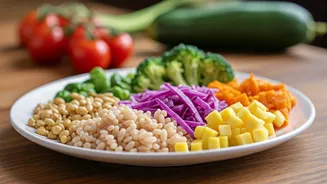
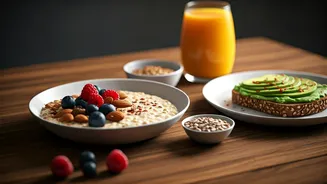
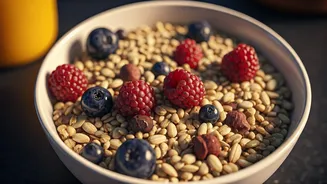
The best way to increase your fibre intake is by focusing on whole, plant-based foods. Aim for a colourful variety of fruits, vegetables, whole grains, and legumes in your daily meals. For example, start your day with a bowl of oats, add beans or lentils to your lunch, and snack on fruits and nuts. It's crucial to increase your fibre intake gradually over a few weeks to allow your digestive system to adjust. Also, remember to drink plenty of water, as fibre works best when it absorbs water, which helps in softening stool and ensuring smooth passage. While supplements can be helpful for some, they shouldn't replace the benefits of getting fibre from whole foods, which also provide a host of other essential vitamins and minerals.