



The High-Sugar Reality in a Bottle
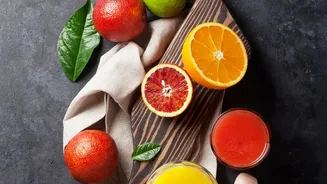
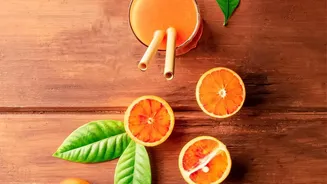
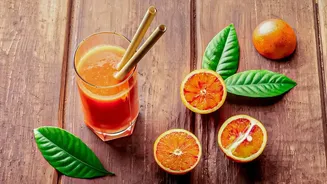
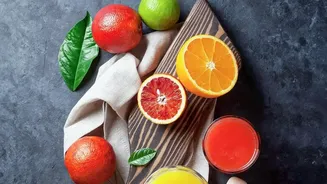
One of the biggest misconceptions about cold-pressed juice is that its sugar is harmless because it's 'natural'. While the fructose comes from fruit, the concentration is the problem. It can take several whole fruits to produce a single glass of juice.
This means you are consuming the sugar from all those fruits in a matter of minutes, a far greater amount than you would likely eat in one sitting. This condensed dose of sugar, primarily fructose, is processed by your liver. When consumed in such large quantities without the accompanying fiber, it can contribute to a high calorie intake and place stress on your metabolic system.
The Missing Ingredient: Fiber
The process of juicing, whether cold-pressed or centrifugal, is designed to extract liquid and leave the solids behind. Unfortunately, those solids—the pulp and skin—are where most of the dietary fiber is located. Both soluble and insoluble fibers are stripped away. This is a significant loss, as fiber is crucial for health. It aids digestion, promotes a feeling of fullness, and, most importantly, helps regulate the body's use of sugar. Fiber acts as a brake, slowing down the absorption of sugar into the bloodstream. Without it, the sugar from the juice is absorbed very rapidly.
On the Blood Sugar Rollercoaster
The combination of high sugar and no fiber creates a perfect storm for your blood sugar levels. When you drink juice, this rush of easily absorbed sugar causes a rapid spike in blood glucose. Your pancreas then works overtime to release insulin to manage this surge. This often leads to a subsequent 'crash', where your blood sugar drops quickly, leaving you feeling tired, irritable, and even hungry again shortly after. This rollercoaster effect is why some experts note that juice is one of the easiest ways to raise blood sugar, something often recommended only for those experiencing hypoglycemia (low blood sugar).
But What About the Vitamins?
Proponents of cold-pressing are correct that the method preserves more heat-sensitive vitamins, minerals, and enzymes compared to traditional pasteurized juices. And getting a concentrated dose of these nutrients can be beneficial. However, it's a trade-off. You get a higher concentration of certain vitamins but at the cost of fiber and a significant sugar load. Research suggests that some important compounds remain bound to the fiber that gets discarded during juicing. Therefore, while there are some benefits, they don't necessarily outweigh the significant downsides of removing the fruit's natural structure.
Choose the Whole, Not the Sum of its Parts
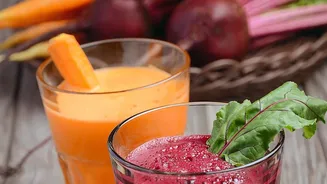
For daily nutrition, eating whole fruits and vegetables is overwhelmingly the better choice. When you eat an apple, for example, the fiber ensures you chew more, feel fuller, and absorb the natural sugars slowly. A smoothie, where the entire fruit or vegetable is blended, is a better alternative to juice because it retains the fiber. If you do enjoy cold-pressed juice, think of it as a treat rather than a health staple. Consider opting for vegetable-based juices, as they are naturally lower in sugar, and always supplement your diet with plenty of whole, fiber-rich foods.