




The Limits of a Deep Clean
A deep clean, which often involves scrubbing down walls, sanitising hidden corners, and decluttering cabinets, is great for hygiene. However, it doesn't address the primary causes of foodborne illnesses, which often stem from microscopic threats introduced
and spread through daily activities. Harmful bacteria like Salmonella, E. coli, and Listeria are invisible to the naked eye and can be transferred from raw foods to ready-to-eat items in an instant. These pathogens don't wait for your monthly cleaning schedule; they thrive in the moment. A study of foodborne disease outbreaks in India highlighted that common culprits include milk products, meat, poultry, rice, and even uncooked vegetables. This underscores that the real battle for food safety is won through consistent, mindful habits every single day, not just occasional intensive cleaning.
Habit 1: Separate Raw and Cooked Foods
One of the most critical food safety principles is preventing cross-contamination. This happens when bacteria from raw foods are transferred to cooked or ready-to-eat foods. In an Indian kitchen, this could mean using the same knife and chopping board for raw chicken and then for slicing onions and tomatoes for a salad. To prevent this, dedicate separate chopping boards, knives, and utensils for raw meat, poultry, seafood, and vegetables. When storing items in the refrigerator, always place raw meat and fish in sealed containers on the bottom shelf. This prevents their juices from dripping onto other foods like cooked leftovers, fruits, or dairy products. Wash your hands thoroughly with soap and warm water for at least 20 seconds after handling any raw ingredient.
Habit 2: Master Temperature Control
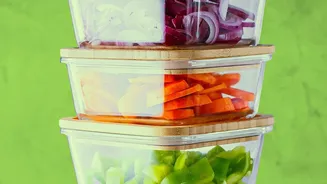
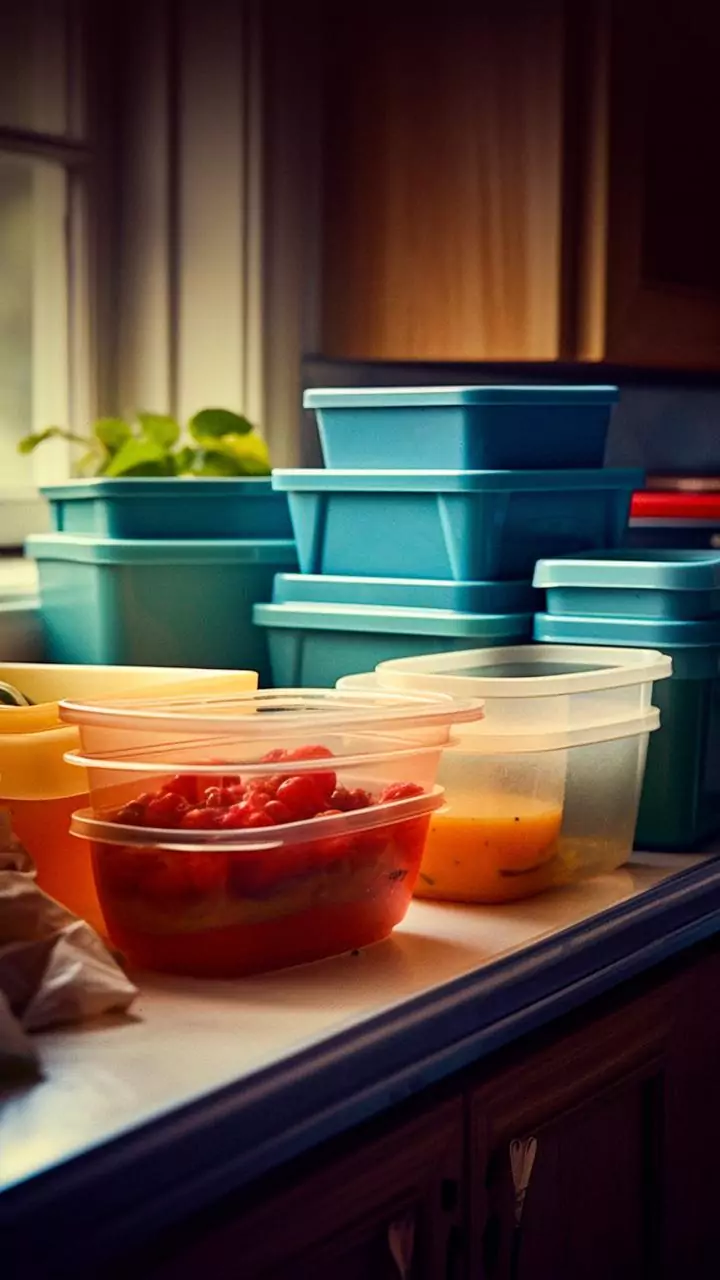
Bacteria multiply rapidly in the 'Temperature Danger Zone', which the Food Safety and Standards Authority of India (FSSAI) defines as being between 5°C and 60°C. Leaving perishable food at room temperature for too long is an open invitation for trouble. The rule of thumb is to never leave cooked food or perishables out for more than two hours. In India's warmer climate, especially when temperatures soar above 32°C (around 90°F), this window shrinks to just one hour. Refrigerate leftovers promptly, ideally below 5°C. When storing, divide large portions of dishes like biryani or dal into smaller, shallow containers so they cool down faster and more evenly. When reheating food, ensure it reaches an internal temperature of at least 75°C to kill any harmful bacteria that may have developed.
Habit 3: Clean as You Go
Instead of letting messes build up, adopt a 'clean as you go' approach. This means washing utensils, cutting boards, and wiping down countertops with hot, soapy water immediately after use, especially after they've been in contact with raw food. This simple habit is far more effective at preventing the spread of germs than a weekend scrubbing session. A dishcloth or sponge can be a major breeding ground for bacteria. Make sure to wash your kitchen cloths frequently in a hot cycle and replace sponges regularly. Sanitising surfaces after cleaning provides an extra layer of protection. You can use a simple solution of diluted bleach or a commercial food-safe sanitiser.
Habit 4: Smart Storage for Indian Conditions
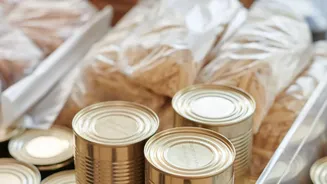
Proper food storage is essential, particularly in warm and humid climates which can accelerate food spoilage. Store dry goods like grains, pulses, and spices in airtight containers to protect them from moisture and pests. For perishable items, your refrigerator is your best friend. But avoid over-packing it, as this can prevent cold air from circulating effectively. Check the expiry dates on packaged foods and practice the 'First-In, First-Out' (FIFO) principle, where you use older items before newer ones. When buying groceries, separate raw meat and produce in your cart and bags to prevent cross-contamination before you even get home.