



The Bathroom: Turn Off the Tap
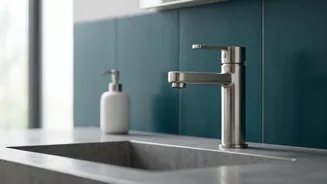
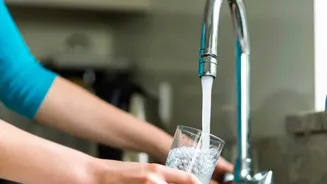
It’s a habit we learn as children, yet often forget. Leaving the tap on while brushing your teeth, lathering your hands, or shaving can waste over six litres of water every minute. Simply turning it off during these short activities is one of the easiest
and most effective ways to conserve water, saving a household thousands of litres per year. Teach everyone in the family, especially children, to make this a non-negotiable habit.
Embrace the Bucket Bath
While a long, hot shower can be relaxing, it's also a significant drain on water resources. A typical bathtub can use 150-200 litres of water, whereas a quick five-minute shower might use 30-50 litres. An even more water-efficient method, traditional in many Indian homes, is the bucket bath. It offers complete control over the amount of water used, often saving a substantial amount compared to a shower. Consider keeping showers for an occasional treat rather than a daily routine.
Become a Leak Detective
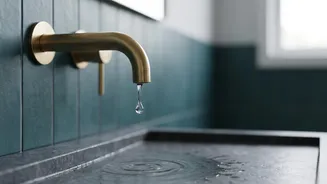
A slowly dripping tap might seem insignificant, but it can waste up to 15 litres of water a day, which adds up to over 5,000 litres a year. Regularly check all taps, pipes, and toilet flush tanks for leaks. A simple way to check for a toilet leak is to add a few drops of food colouring to the flush tank; if colour appears in the bowl without flushing, you have a leak that needs fixing. Promptly repairing these small drips is a crucial step in preventing unseen water wastage.
The Kitchen: Reuse RO Reject Water
Reverse Osmosis (RO) purifiers are common in Indian kitchens, but they are known for producing a significant amount of wastewater. For every litre of purified water, a standard RO system can reject two to three litres. Instead of letting this water go down the drain, collect it in a bucket. This 'reject water' is perfectly suitable for a variety of non-potable tasks like mopping floors, washing balconies or cars, pre-rinsing utensils, and even flushing toilets.
Wash Produce and Dishes Wisely
Instead of washing vegetables and fruits under a running tap, fill a basin or a large vessel with water and wash them in it. The leftover water can then be used to water your houseplants. Similarly, when washing utensils, don't let the tap run continuously while you scrub. A common practice in Indian kitchens is to use a tub for washing, which is highly efficient. For heavily soiled pots and pans, soak them in soapy water first to loosen food, which reduces the need for vigorous scrubbing under running water.
Run Full Loads Only
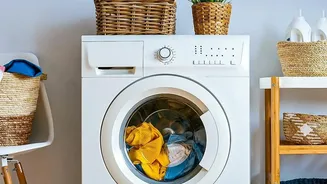
Washing machines and dishwashers are major consumers of water. To maximise efficiency, make it a rule to only run them when they are completely full. Running a machine with a half-load uses almost the same amount of water as a full load. Many modern washing machines also come with an 'eco' or water-saving mode, which can further reduce consumption. Where possible, some rinse water from laundry can even be collected and reused for cleaning floors.