



Identify Your Prime Real Estate
Before you move a single thing, understand what constitutes your kitchen's “prime real estate.” These are the spots you can reach with the least effort. Think about the cabinets at eye and shoulder level, the top drawers right below your countertops,
and the front portion of your pantry shelves. These are the areas you interact with multiple times a day. When they are organized, your entire kitchen workflow becomes smoother. Storing everyday items in these accessible zones means you aren't constantly bending, stretching, or digging through clutter to find what you need. This principle of accessible storage is about making your kitchen work for you, not against you. The goal is to reduce physical strain and save time, turning frustrating searches into simple, effortless actions.
Conduct an Honest Audit of Your Items
Now it's time to be honest with yourself. Go through your prime cabinets and drawers and pull everything out. Create three piles: items you use daily or weekly, items you use monthly or seasonally, and items you haven't touched in a year or more. This process helps you see exactly what’s taking up precious space. Be ruthless. That bread maker you used twice? The fondue pot from a party three years ago? The specialty serving platter for a holiday you host every other year? These are all candidates for relocation. The goal isn't necessarily to get rid of everything, but to sort items based on frequency of use. This audit is the perfect opportunity to declutter things you genuinely no longer need, creating even more room for the essentials.
Categorize and Find New Homes
Once you’ve identified your low-use items, it’s time to find them a new, logical home. Don't just shove them into another cupboard. Think about why you don't use them often. Seasonal items, like a large turkey roaster or holiday-specific cookie cutters, can be stored together in a labeled bin in the garage, basement, or a high closet. Bulky small appliances that you use infrequently can go on the highest shelves in your kitchen or pantry, since you only need to get them down a few times a year. For items you want to keep for sentimental reasons but never use, consider if they can be stored outside the kitchen entirely. The key is to keep them organized in their new location so you can find them when the occasion arises, without letting them interfere with your daily life.
Reclaim and Organize Your Prime Space
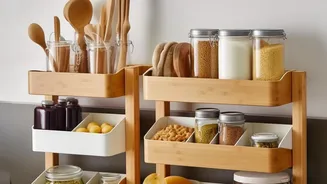
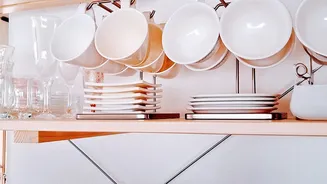
With the clutter gone, your prime real estate is now open for business. This is the rewarding part. Move your daily-use items into these freshly cleared, accessible cabinets. Your everyday plates, bowls, and glasses should be on a low, easy-to-reach shelf. Coffee mugs can go in the cabinet right above your coffee maker. Spices and oils should be in a drawer or cabinet next to the stove. By creating dedicated zones for specific tasks—a coffee station, a prep zone, a cooking zone—you make every action more efficient. Use drawer dividers, stacking shelves, and pull-out organizers to maximize the newly available space and keep everything tidy. This isn't just about looking organized; it's about creating a system that makes cooking and living in your kitchen easier.
The Benefits Beyond a Tidy Cabinet
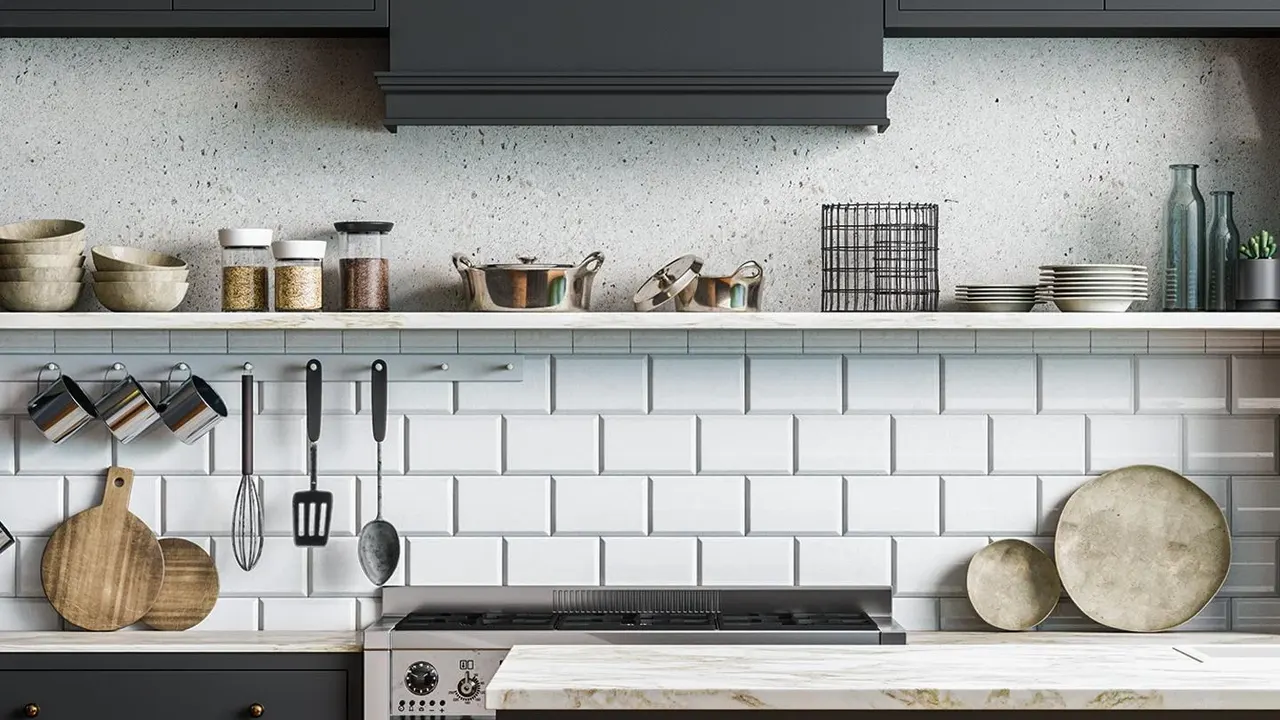
The result of this project is more than just a clean cabinet. It’s a kitchen that feels calmer and more intuitive. You'll find yourself saving time and energy every single day because you're no longer fighting with your own belongings. This simple shift reduces decision fatigue and can even prevent damage to your cookware, which is no longer precariously stacked or shoved into a crowded space. By keeping countertops clear and essentials within easy reach, the entire room feels larger and more welcoming. It transforms the kitchen from a source of low-grade stress into a space where you can focus on the joy of cooking and gathering, making your daily routine significantly more pleasant.