




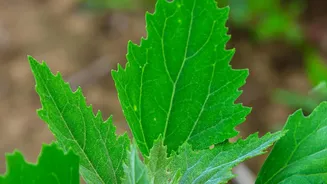
A quiet revolution is unfolding on India's fine-dining scene. Humble, wild greens, foraged from the forests of Central India and long cherished by tribal communities, are now finding their way into the hands of gourmet chefs.
From Forest Floor to Fine Plate
In the heart of India, particularly
in regions like Bastar in Chhattisgarh, a culinary treasure has remained largely hidden from the mainstream: a vast array of indigenous wild greens. For generations, tribal communities have relied on this forest produce, not just for sustenance but for its medicinal properties. Now, a new wave of chefs is looking past imported superfoods like kale and quinoa, turning their attention to these hyper-local ingredients. They are collaborating with local communities to bring these greens from the forest floor to the fine-dining plate, creating a conversation about sustainability, tradition, and the future of Indian food.
The Stars of the Show: Unsung Greens
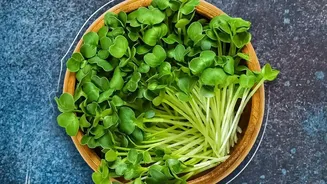
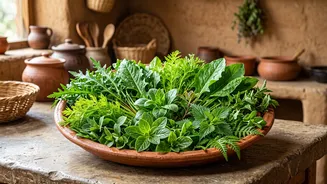
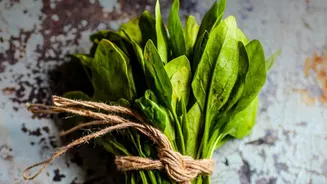
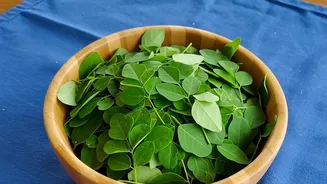
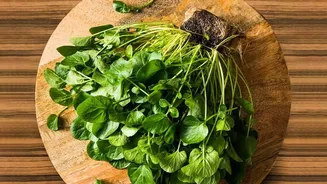
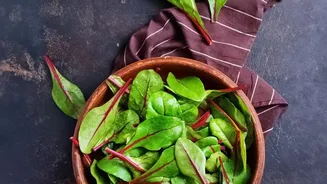
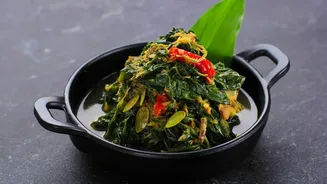
The variety of these greens is staggering. There's the tangy 'chench bhaji' (often from the roselle or corchorus family), which has a distinctive sour flavour perfect for cutting through rich dishes. Then there is 'salebhaji', another wild leafy vegetable rich in nutrients, and countless others known locally by names like 'gol bhaji' and 'poi bhaji'. Traditionally, these greens are prepared simply—stir-fried with a bit of oil, garlic, and chilies, or added to a simple dal. Their taste profile ranges from peppery and mustard-like to tangy and earthy, offering chefs a completely new palette of flavours to work with.
The Culinary Vanguards
Pioneering chefs are at the forefront of this movement, driven by a philosophy of celebrating India's immense biodiversity. By travelling to interior regions, they are learning from tribal cooks and understanding the traditional context of these ingredients. This isn't just about finding a new ingredient; it's about respecting an entire ecosystem of knowledge. Chefs like Rachit Kirtiman and others are experimenting with these greens, not to mimic Western dishes, but to present them in contemporary formats that highlight their unique textures and flavours. This often involves state-led initiatives inviting culinary figures to explore and reimagine tribal recipes, bridging the gap between remote kitchens and urban restaurants.
A Taste of Modern Tradition
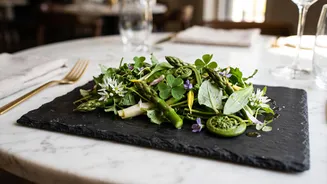
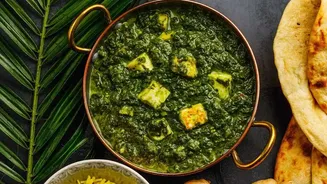
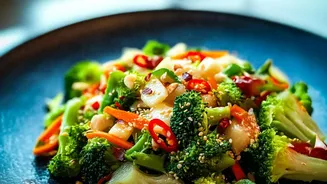
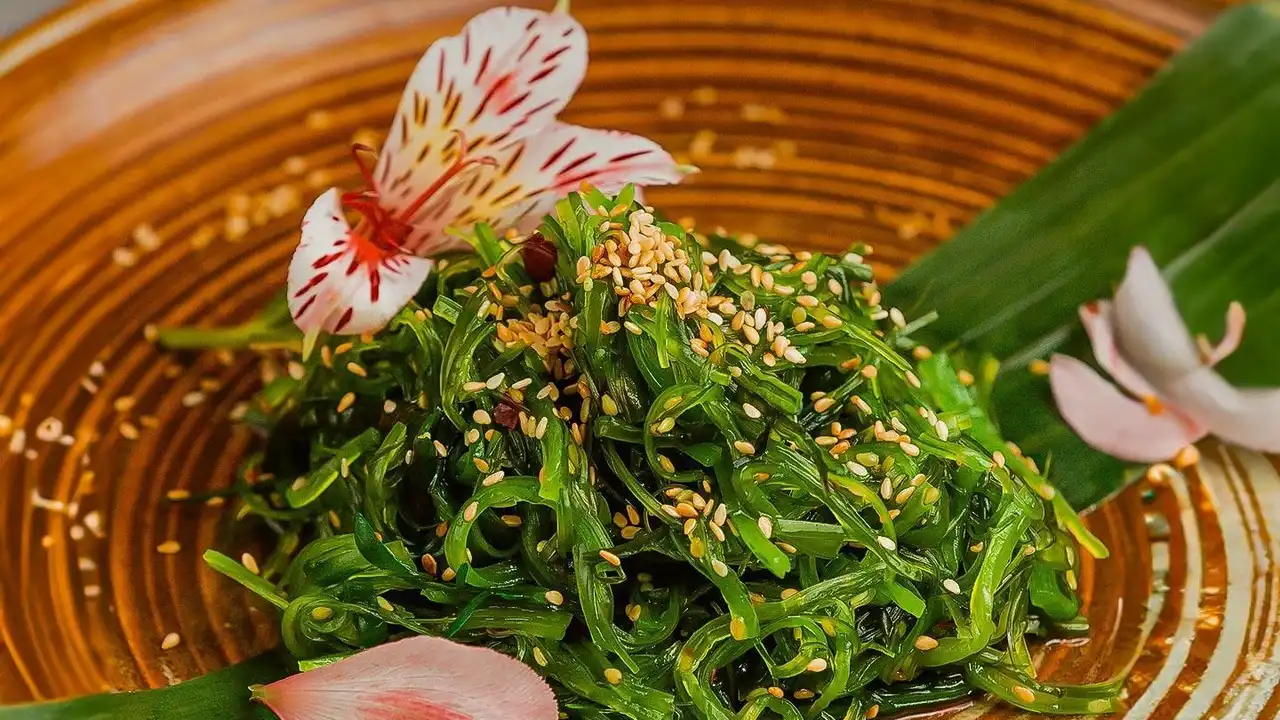
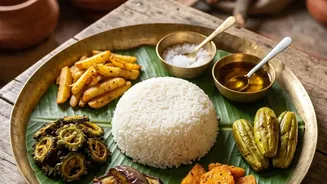
The resulting dishes are both innovative and deeply rooted in tradition. Imagine a delicate soup made from 'mayalu' leaves, a crisp 'pakodi' featuring 'ajwain' leaves, or a complex chutney using 'tindora' leaves. Instead of just a simple stir-fry, 'chench bhaji' might be transformed into a tart purée accompanying grilled fish, or its leaves used to wrap and steam chicken, similar to a 'paat pora'. These modern interpretations are careful not to lose the soul of the ingredient. The goal is to elevate, not erase, the original character of the greens, presenting them in a way that surprises and delights a diner who may never have encountered them before.
More Than Just a Meal
This trend is about much more than just food. By creating a commercial demand for these wild greens, chefs are providing a sustainable source of income for the tribal communities who are the traditional custodians of this knowledge. It champions a food system that is truly local and seasonal, reducing reliance on a handful of globally dominant crops. Furthermore, it represents a cultural shift, a 'decolonization' of the Indian plate that places indigenous ingredients on par with their celebrated international counterparts. It encourages diners to look within India's own borders for the next 'superfood' and to appreciate the profound connection between land, community, and cuisine.