





Decoding Zone 2: The Endurance Sweet Spot
Before we get to the hardware, let's talk about the 'why'. Zone 2 training refers to exercising at a low to moderate intensity, typically around 60-70% of your maximum heart rate. Think of it as the 'conversational pace'—you're working, but you could
still chat with a friend without gasping for air. While high-intensity workouts have their place, spending the majority of your cardio time in Zone 2 builds a powerful aerobic base. It trains your body to become more efficient at using fat for fuel, improves mitochondrial function (the powerhouses of your cells), and enhances your ability to sustain effort for longer periods. It’s the foundation upon which peak performance is built.
The Low-Impact Advantage
To build a strong aerobic base, you need to spend significant time training, often aiming for at least 150 minutes of moderate cardio per week. This is where low-impact exercise becomes non-negotiable. Activities that are low-impact, like rowing, cycling, or using an elliptical, reduce stress on your joints. This is crucial for two reasons: it minimizes the risk of overuse injuries that can derail your progress, and it allows for better recovery. When your body isn't constantly battling joint pain, you can train more consistently, which is the true secret to long-term fitness gains.
Enter the Rowing Machine: A Total Body Solution
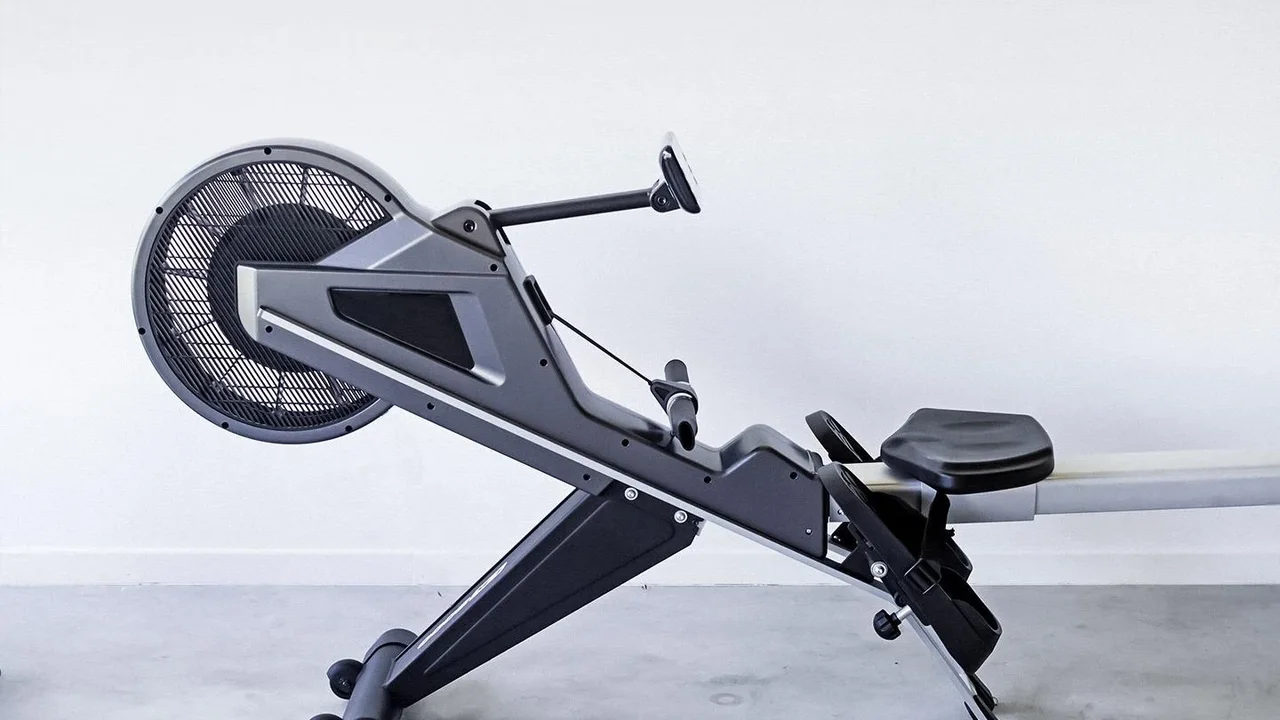
This brings us to the rowing machine, or ergometer. While often overlooked in favour of treadmills and bikes, the rower is a uniquely effective tool for aerobic conditioning. It's a common misconception that rowing is primarily an upper-body workout. In reality, a proper rowing stroke is a full-body movement. Professional assessments estimate that the power comes 65-75% from the legs and 25-35% from the upper body and core. With each stroke, you engage your quads, glutes, hamstrings, core, back, and arms, making it one of the most comprehensive workouts available on a single machine.
Why Rowing Excels for Zone 2
The rowing machine's design makes it exceptionally well-suited for Zone 2 training. The fluid, rhythmic motion allows you to easily settle into a steady state and maintain it. Unlike running, where slight changes in incline or pace can spike your heart rate, the rower provides a controlled environment. You can precisely manage your intensity by adjusting your stroke rate and the power of your push. This makes it easier to find that 60-70% heart rate sweet spot and stay there. Because rowing is a weight-supported exercise, your heart rate may even be slightly lower for the same perceived effort compared to running, making long sessions feel more manageable.
Rowing vs. The Alternatives
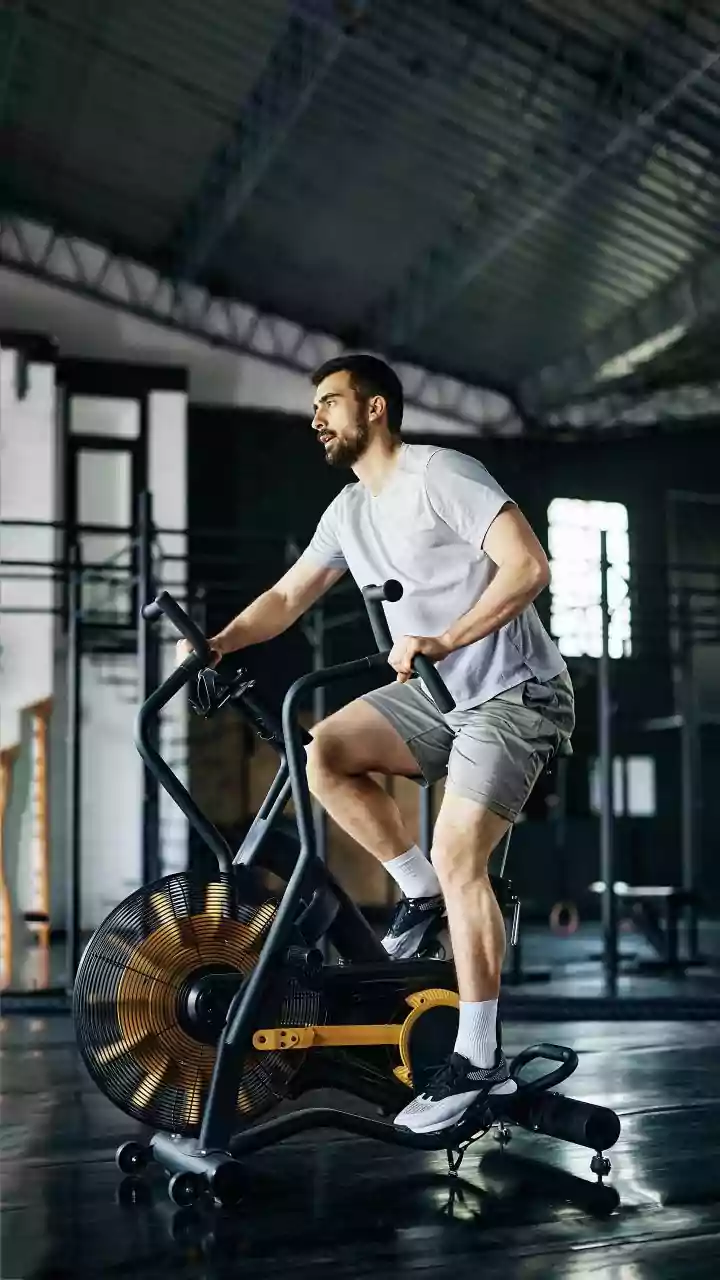
How does the rower stack up against other low-impact cardio machines? Stationary bikes and ellipticals are also fantastic for Zone 2. However, their primary focus is the lower body. The rower’s key advantage is its ability to recruit muscles from your entire body simultaneously. This total-body engagement leads to a greater overall cardiovascular demand, helping to strengthen your heart and improve oxygen transport more efficiently. It provides a powerful combination of strength and endurance training that few other cardio machines can match, making every minute of your workout count.