





The Allure and the Advisories
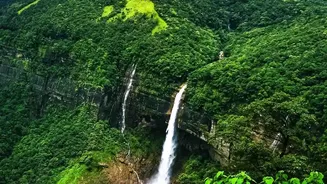
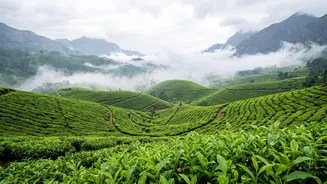
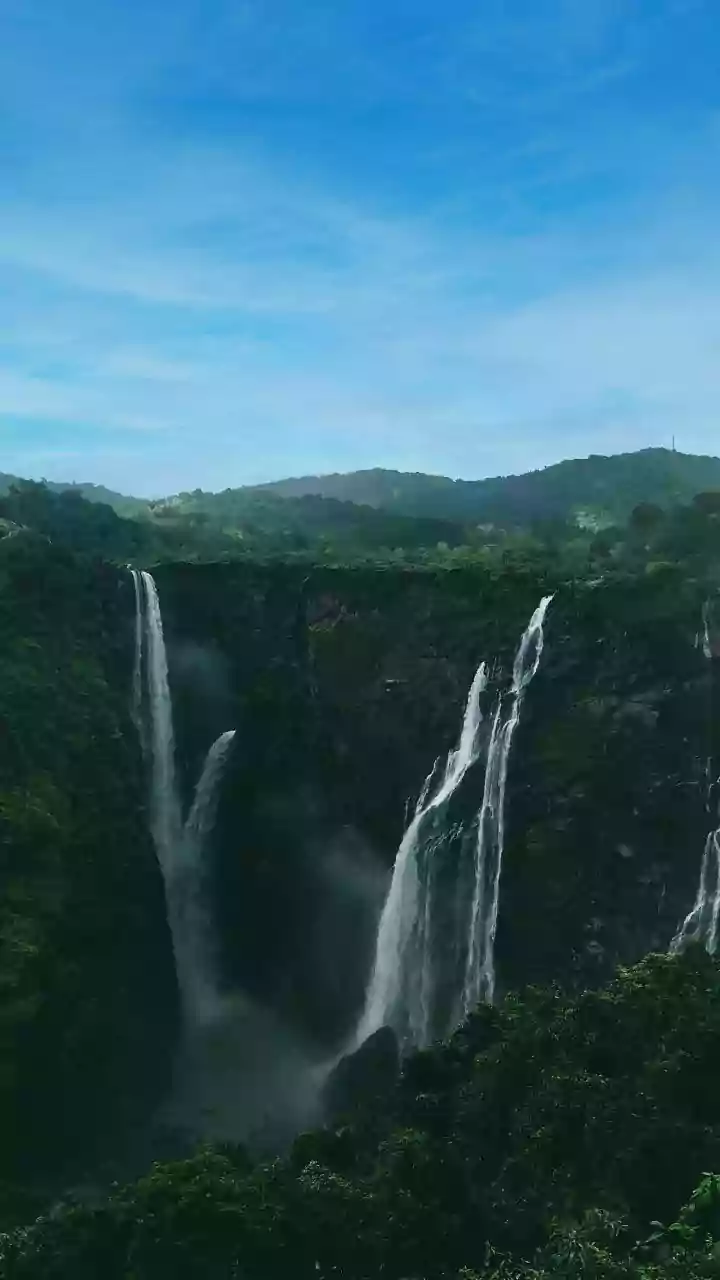
There's a reason why so many are drawn to travel during the monsoon. Hills and forests come alive in vibrant shades of green, waterfalls cascade with full force, and popular destinations are often less crowded and more affordable. The atmosphere is transformed,
offering a unique and often more peaceful travel experience. However, the 2026 monsoon season has shown an uneven pattern, with some regions experiencing deficits while others face heavy rainfall. Forecasts for the latter half of the season suggest a weaker monsoon overall due to strengthening El Niño conditions, which might mean fewer widespread disruptions but a higher risk of intense, localized downpours. This makes checking specific regional forecasts more crucial than ever before you book.
Choosing Your Destination Wisely
Destination selection is the most critical part of planning a monsoon trip. Some areas become treacherous, while others are at their prime. For a safer bet, consider regions that are either in a rain-shadow or receive less intense rainfall. Places like Leh-Ladakh and the Spiti Valley remain dry and accessible. Western and Southern Rajasthan, including cities like Udaipur and Mount Abu, see just enough rain to wash the landscape clean and fill the lakes, making them picturesque without the high risk of flooding. Well-managed hill stations in the Western Ghats like Mahabaleshwar, Coorg, and Munnar can be good options, as their infrastructure is generally reliable. However, it's vital to avoid extremely remote areas and regions prone to landslides, such as certain parts of the Himalayas and underdeveloped coastal zones, especially during heavy rain alerts.
A Practical Monsoon Packing List
Packing smart is non-negotiable for a comfortable monsoon journey. The golden rule is to choose materials that dry quickly. Leave the heavy cotton and denim at home and opt for synthetic fabrics instead. Your packing list should include a reliable, lightweight raincoat and a sturdy umbrella that can withstand wind. For footwear, waterproof sandals or floaters with a good grip are essential to navigate slippery surfaces. Protect your valuables by packing electronics, travel documents, and cash in waterproof bags or zip-lock pouches. Also, carry a basic medical kit with medicines for common ailments like colds and stomach infections, along with a strong insect repellent, as mosquitoes and other bugs are more prevalent during this season.
Smart Booking and Travel Strategies
Flexibility is your best friend when booking monsoon travel. Heavy rains can lead to sudden flight delays, train cancellations, and road closures. When booking flights, consider choosing direct routes to avoid the cascading effect of delays on connecting transport. Early morning flights are often a better bet as weather conditions tend to be more stable. For accommodation, look for hotels in areas that are not low-lying or prone to waterlogging. It's also wise to confirm that your hotel has power backup. Always read the cancellation policies for both transport and hotels carefully before booking. Consider travel insurance that covers weather-related disruptions for added peace of mind.
Staying Healthy and Safe on the Road
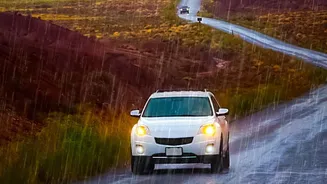
Health risks increase during the monsoon due to contaminated water and higher humidity. A crucial tip is to drink only bottled or purified water and to be cautious with street food, opting for freshly prepared, hot meals. If you are on a road trip, drive with extra caution. Roads can be slippery, and visibility can be poor. Avoid driving at night during heavy rain and never attempt to cross a flooded road. Always stay informed about local conditions by monitoring weather apps and news alerts. Keep emergency contacts handy and ensure your devices are fully charged, carrying a power bank as a backup for any unexpected power cuts or travel delays.