









A Renewed Focus on Onboard Peace
While rules for passenger conduct have always existed, Indian Railways is now placing a renewed emphasis on enforcement. Recent directives, particularly from zones like the Southern Railway, have brought the issue into the spotlight, responding to a growing
number of complaints about disturbances. This 'new attention' is a signal that common annoyances will no longer be overlooked. Railway authorities are instructing staff, including Ticket Examiners (TTEs), to take firm action against those who disrupt the travel experience for others. The goal is to move from passive guidelines to active enforcement, ensuring a more peaceful journey for millions.
The Letter of the Law: Section 145
The primary legal tool for tackling this issue is Section 145 of the Railways Act, 1989. This section broadly covers acts that constitute a 'nuisance'. This includes being intoxicated, committing any act of indecency, using abusive language, or wilfully interfering with railway-provided amenities in a way that affects the comfort of other passengers. Recent amendments under the Jan Vishwas (Amendment of Provisions) Act, 2026, have updated the penalties, making them more stringent and giving railway officials clearer authority to act.
What Exactly Counts as a Nuisance?
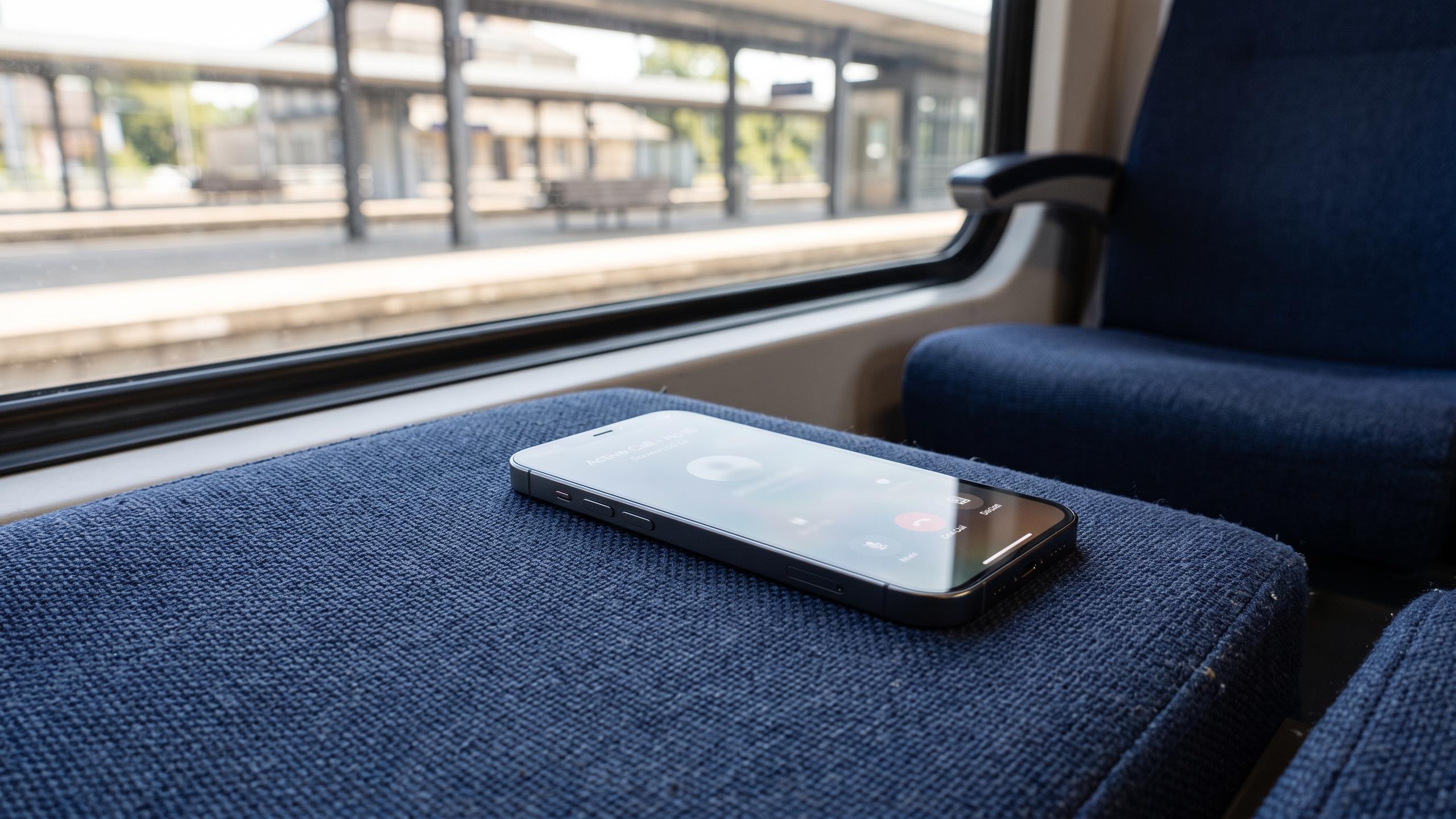
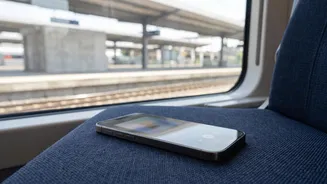
In the context of these new enforcement drives, a 'nuisance' primarily refers to inconsiderate use of electronic devices. Playing music, videos, or reels on a mobile phone's loudspeaker is the top complaint. Similarly, engaging in loud and prolonged phone conversations is also considered a disturbance, especially within the enclosed space of a coach. Essentially, any behaviour that unreasonably intrudes on the shared auditory space and prevents fellow travellers from resting or enjoying a quiet journey can be classified as a nuisance and may attract penalties. The rules apply not just on trains but on all railway premises.
How Fines Can Reach Rs 1,000
Under the amended Section 145, creating a nuisance can result in a fine of up to Rs 1,000, removal from the train, and forfeiture of your ticket. Staff of the rank of Ticket Examiner are authorised to impose this penalty. The consequences can escalate significantly for those who refuse to comply. If a passenger continues the disruptive behaviour after being warned by an authorised railway employee, they can face imprisonment for up to six months, a fine of up to Rs 5,000, or both. This tiered penalty structure is designed to deter repeat offenders and ensure compliance.
Special Rules for Night Travel
Indian Railways has specific guidelines to ensure peace during night hours, typically between 10 PM and 6 AM. During this period, all passengers are expected to minimise noise. This means no loud conversations, no media without earphones, and ensuring all bright overhead lights (except for designated night lights) are switched off. Even TTEs are instructed not to disturb sleeping passengers to check tickets unless they have boarded at a recent station. Passengers on the middle berth are also entitled to open their berth during these hours, and those on the lower berth are expected to cooperate.
Your Guide to Courteous Travel
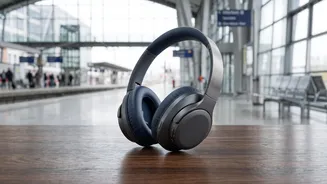
Avoiding fines and ensuring a pleasant journey for everyone is simple. The most crucial tip is to always carry and use earphones if you plan to consume audio or video content on your phone. If you need to take a phone call, try to keep your voice low or move to the coach's vestibule area if possible. Be mindful of sleeping passengers, especially during night hours. Use designated dustbins to dispose of waste, as littering also carries its own penalties. By being considerate of the shared space, you not only avoid trouble but also contribute to a more positive travel culture.