







The Sweet Breakdown
When it comes to sugar, the numbers are surprisingly close. A one-cup serving of pineapple chunks contains about 16 grams of sugar. A medium-sized pear, by comparison, has around 17 grams. At first glance, this might suggest the pear is the sweeter of the two,
but per 100 grams, they are nearly identical, with both hovering just under 10 grams of sugar. It’s important to remember this is all-natural sugar, primarily fructose, which comes packaged with water, vitamins, and fiber—a stark contrast to the added sugars found in processed snacks and drinks.
The Fiber Factor
Here’s where a significant difference emerges. A medium pear is a fiber powerhouse, providing about 6 grams, which can be nearly 20-25% of your recommended daily intake. Pineapple, in a comparable one-cup serving, offers a more modest 2.3 grams. This is crucial because fiber slows the absorption of sugar into the bloodstream, preventing sharp spikes in blood glucose levels. This is reflected in their glycemic index (GI), a measure of how quickly a food raises blood sugar. Pears have a low GI of around 38, while pineapple's is higher, at about 59 to 66, placing it in the medium category. For those managing blood sugar or seeking sustained energy, the pear’s high fiber content gives it a distinct advantage.
Pineapple’s Tropical Power
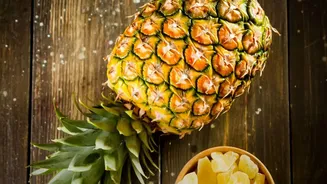
Pineapple boasts a unique weapon in its nutritional arsenal: bromelain. This group of enzymes is known for its ability to break down protein, which is why pineapple is often used as a meat tenderizer and can aid in digestion. Bromelain is also celebrated for its anti-inflammatory properties. Studies suggest it may help reduce swelling, bruising, and pain after injury or surgery. While much of this research uses concentrated bromelain supplements, its presence in the fresh fruit is a significant benefit. Pineapple is also an exceptional source of Vitamin C, with a single cup providing nearly 90% of your daily needs, which is vital for immune function and skin health.
The Gentle Strength of Pears
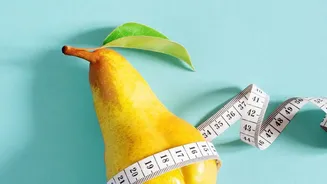
Pears shine in their own gentle, effective way. Their impressive fiber content, particularly the soluble fiber known as pectin, acts as a prebiotic, feeding the beneficial bacteria in your gut and promoting a healthy digestive system. This makes pears an excellent choice for maintaining bowel regularity. Pears are also considered a low-allergen fruit and are often recommended for their gentle effect on the digestive tract. The skin of the pear is particularly nutrient-dense, containing antioxidants and anti-inflammatory compounds. So, for the best benefits, it's wise to eat them unpeeled.
The Verdict: Which Is for You?
There is no single winner in this fruit faceoff. The 'better' choice depends entirely on your personal health goals and needs. If you are focused on digestive health, need more fiber in your diet, or are carefully managing your blood sugar levels, the high fiber, low glycemic pear is an outstanding option. If you are seeking a major Vitamin C boost, looking for potential anti inflammatory benefits from bromelain, or want a post workout recovery snack, pineapple is a fantastic choice. Both fruits are low in calories and packed with essential vitamins and minerals, making them worthy additions to any balanced diet. The key is variety; including both pears and pineapples in your routine ensures you get the unique benefits each has to offer.