



Imagine snipping fresh, aromatic herbs right from your kitchen window for your morning chai or evening dal. Even with limited space, you can easily create a small herb garden this winter, bringing the fresh flavours of Tulsi, Mint, and Coriander home.
Setting Up Your Windowsill Garden
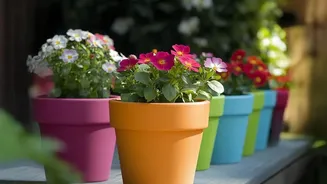
The first step to a thriving indoor herb garden is creating the right environment. Most herbs need at least four to six hours of sunlight per day to flourish, making a south or east-facing windowsill an ideal location. This spot will provide the bright, direct morning light that these plants love without the scorching intensity of the afternoon sun. When it comes to containers, choose pots that are at least 8 to 12 inches deep to give the roots ample space to grow. Most importantly, ensure every pot has drainage holes at the bottom. Without proper drainage, water can collect and cause root rot, one of the most common reasons container plants fail. Terracotta or ceramic pots are excellent choices as they are porous and allow the soil to breathe.
The Perfect Soil Foundation
Herbs don't thrive in heavy, compacted garden soil. For container gardening, you need a lightweight and well-draining potting mix. You can buy a ready-made organic potting mix online or from a local nursery, which often contains a balanced blend of materials perfect for herbs. Alternatively, you can create your own by mixing equal parts garden soil, cocopeat (for moisture retention), and compost or vermicompost (for nutrients). This combination ensures that the soil holds enough moisture for the plant's roots while allowing excess water to drain away freely, preventing it from becoming waterlogged. A good soil mix is the foundation of a healthy plant, providing the right balance of air, water, and nutrients.
Caring for Tulsi (Holy Basil)
Tulsi is a staple in many Indian homes, and growing it is deeply rewarding. As a tropical plant, it loves warmth and sun, so place it in your sunniest window. During the winter, it's especially important to protect it from cold drafts and frost. If you live in North India, consider bringing your Tulsi plant indoors on very cold nights. Winter is a dormant period for Tulsi, so its growth will naturally slow down. Water it less frequently during this time, only when the top inch of soil feels dry to the touch. Overwatering is a major risk in winter. Also, avoid fertilising until spring, as the plant cannot properly absorb nutrients while it's resting. Regular pinching of the top leaves will encourage your Tulsi to grow bushier rather than tall and spindly.
Mastering Mint (Pudina)
Mint, or Pudina, is one of the easiest and most aggressive herbs to grow, which is precisely why it's perfect for containers where its spreading nature can be contained. You can easily start a plant from a few thick stems taken from a bunch of mint bought at the market. Simply place the stems in a glass of water, and you'll see roots appear in about a week. Mint is not as fussy about sunlight as Tulsi and can do well with a few hours of sun, even tolerating some partial shade. It prefers its soil to be consistently moist but not soaking wet. Harvest your mint regularly by snipping the top leaves. This encourages the plant to branch out and become fuller, providing you with a constant supply for your chutneys, raitas, and refreshing drinks.
Growing Coriander (Dhania)
Fresh dhania is essential for garnishing countless Indian dishes, and winter is the perfect season to grow it. Coriander is a cool-season herb and tends to 'bolt' or flower quickly in intense heat, which stops leaf production. For best results, sow the seeds directly into their final pot, as coriander plants have a delicate taproot that dislikes being transplanted. To improve germination, you can gently split the round seeds into two halves and soak them overnight before planting. Sow seeds every two to three weeks to ensure you have a continuous harvest throughout the season. When harvesting, cut the outer leaves first, allowing the inner leaves to continue growing. This method will give you several cuttings from a single planting.