








Why the Monsoon is Tough on Your Tummy
The monsoon season creates the perfect storm for digestive issues. The high humidity and moisture in the air allow harmful bacteria, viruses, and fungi to multiply rapidly. This makes food spoil faster and increases the risk of contamination. During this
season, our digestive systems can also become weaker, making us more susceptible to infections like gastroenteritis, cholera, and typhoid, which often spread through contaminated food and water. This is especially true in India, where a significant percentage of disease outbreaks are linked to food and waterborne infections that peak during the monsoon. For hostelites who rely on communal kitchens and outside food, being cautious is key.
Rule 1: Master Your Water Intake
Contaminated water is a primary cause of stomach infections during the monsoon, as heavy rains can cause sewage to mix with drinking water supplies. The simplest rule is to avoid tap water from any unverified source. Always drink boiled or filtered water. If your hostel has a water purifier, use it. If not, consider investing in a personal water filter bottle or boiling a batch of water daily for your consumption. When you're outside, stick to sealed, packaged water from reputable brands and say no to ice in your drinks unless you're sure it's made from purified water.
Rule 2: The Street Food Dilemma
As tempting as that plate of hot pakoras or chaat is on a rainy day, street food is best avoided during this season. Vendors often operate in unhygienic conditions, and the water used for chutneys or washing ingredients might be contaminated. Reused oil and food left exposed to the humid air can become breeding grounds for bacteria like E. coli and Salmonella. If you must indulge, choose vendors with high turnover where food is cooked fresh and served steaming hot in front of you. Opt for grilled or steamed items over cold or fried ones.
Rule 3: Smart Choices in the Mess
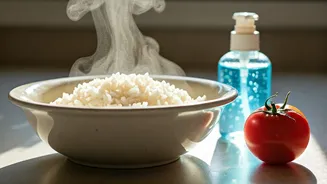
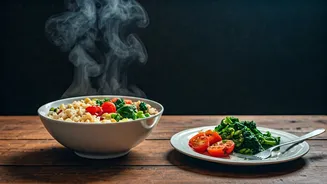
Navigating the hostel mess requires a bit of strategy. Prioritise freshly cooked, hot meals. Heat is your friend as it kills most harmful germs. Be wary of raw foods like salads and pre-cut fruit, as they can carry microbes. It's safer to opt for steamed vegetables instead of raw salads. If possible, choose lighter preparations like soups and stews over heavy, oily curries, which can be harder to digest. Also, favour curd (yoghurt) over milk, as probiotics in curd are beneficial for gut health.
Rule 4: Build an Immunity-Boosting Room Pantry
You can support your stomach health with a few simple items kept in your room. Stock up on seasonal fruits that have been washed thoroughly at home, especially those you can peel, like bananas and pomegranates. Dry snacks such as roasted chana (chickpeas) or nuts like almonds and walnuts are great, healthy alternatives to processed junk food. Having herbal tea bags (ginger, tulsi, or peppermint) on hand can also be beneficial; a warm cup can soothe your digestive system and boost immunity. Spices with antimicrobial properties like turmeric and ginger can be added to warm water or milk.
Rule 5: Personal Hygiene is Non-Negotiable
Good hygiene is your first line of defence. Wash your hands thoroughly with soap and water before every meal and after using the restroom. If you’re traveling, keep a hand sanitiser with you. Since getting drenched in the rain is common, change out of wet clothes and shoes as soon as possible to prevent fungal infections and falling sick. These simple habits drastically reduce the chances of transferring germs from your hands to your mouth.