




Snake Plant: The Hardy Air Purifier
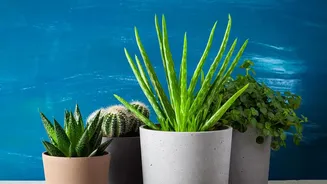
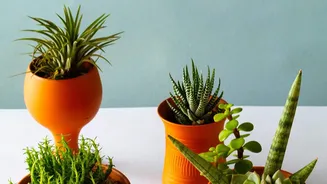
The Snake Plant, or Sansevieria, is a champion for apartment dwellers. Its tough, architectural leaves make a stylish statement, but its real power lies in its air-purifying capabilities. It is exceptionally skilled at filtering indoor air and is known
for removing toxins like formaldehyde and benzene, which can be present in furniture and cleaning products. A unique benefit of the snake plant is that it releases oxygen at night, unlike most other plants, making it an ideal companion for the bedroom to improve sleep quality. It thrives in low light and requires minimal watering, making it perfectly suited to survive the gloomy, humid conditions of the rainy season with very little fuss.
Peace Lily: Elegance That Cleanses
With its glossy dark leaves and elegant white blooms, the Peace Lily is more than just a pretty face. It is a powerhouse when it comes to improving indoor air quality. Known for absorbing moisture through its leaves, it acts as a natural dehumidifier. This makes it particularly effective in damp spaces like bathrooms and kitchens. NASA studies have highlighted its ability to remove common toxins like ammonia, benzene, and formaldehyde from the air. Peace Lilies can also absorb mould spores, helping to reduce mildew in perpetually damp homes. They prefer shady spots and thrive in high humidity, making the monsoon their time to shine.
Spider Plant: The Resilient Dehumidifier
The Spider Plant is one of the most adaptable and easy-to-grow houseplants, making it perfect for beginners. Its arching leaves are not just for show; they are effective at absorbing excess moisture from the air, helping to combat high humidity levels indoors. It’s also an excellent air purifier, known for filtering out carbon monoxide and xylene. Spider plants thrive in humid environments and can tolerate a bit of neglect, continuing to absorb airborne moisture and pollutants even with infrequent watering. They are often recommended for bathrooms and kitchens, where steam and dampness are common.
Areca Palm: Your Tropical Humidifier
Bring a touch of the tropics indoors with the Areca Palm. Its lush, feathery fronds can make any corner of your apartment feel like a mini-vacation. More importantly, this plant is excellent at managing indoor air. While it can act as a natural humidifier in dry air, it also thrives in high-humidity conditions and helps balance the moisture levels. The Areca Palm is also adept at removing airborne toxins, adding another layer of purification to your home. It prefers bright, indirect light and consistently moist soil, making it a happy and effective plant during the rainy season.
Boston Fern: A Classic Moisture Absorber
The lush, feathery fronds of the Boston Fern are a classic for a reason. These plants are known to be one of the most effective at absorbing ambient humidity. They thrive in moist conditions and absorb water through their leaves, making them a perfect natural solution for damp corners of your home. In addition to being a natural dehumidifier, the Boston Fern is also praised for its ability to remove toxins like formaldehyde from the air. Placing one in a humid room like a bathroom will not only help control moisture but also add a touch of vibrant greenery.
Clay Absorbers: The Unsung Hero
While plants are fantastic, pairing them with clay moisture absorbers can significantly boost your efforts. Made from natural minerals like bentonite clay, these desiccants work by adsorbing water vapour directly from the air. The clay's porous structure traps moisture, effectively reducing humidity and preventing musty odours and mould growth. They are non-toxic, affordable, and can be placed in closets, near windows, or in any small, enclosed space prone to dampness. You can buy them as packets, bags, or balls, and some types are even reusable after being dried out in the sun or a low oven, making them a sustainable choice for long-term use.