






What Exactly Is the Orionid Meteor Shower?
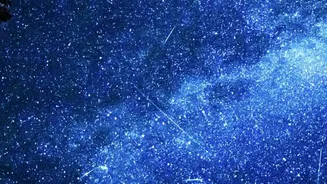
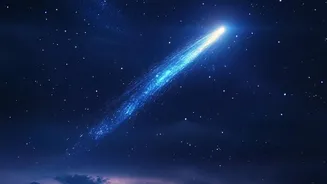
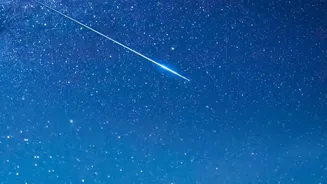
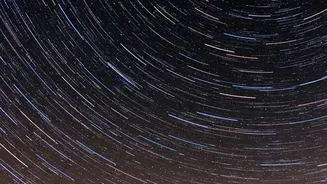
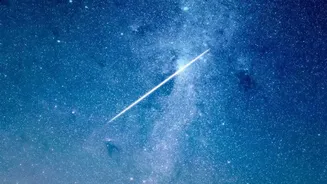
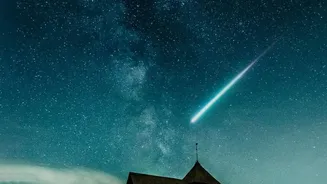
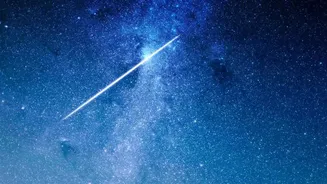
The Orionid meteor shower is an annual celestial event that occurs when Earth passes through the trail of cosmic dust and debris left behind by Halley's Comet. These tiny particles, often no bigger than a grain of sand, burn up upon entering our atmosphere
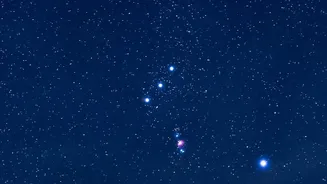
at incredible speeds, creating the bright streaks we call meteors or shooting stars. The Orionids are known for being particularly fast, travelling at about 66 kilometres per second, and can sometimes leave persistent, glowing trails. They are named 'Orionids' because they appear to radiate from a point within the famous constellation of Orion the Hunter.
Mark Your Calendar: Prime Viewing in 2026
The Orionids are active from early October to early November, but the best time to watch will be during the peak. In 2026, the shower is predicted to peak on the night of October 21-22. The most crucial factor for any meteor shower is the Moon, as a bright moon can wash out all but the brightest meteors. This year, viewers have a great window of opportunity. While the moon will be about 77% full, it conveniently sets around 3 a.m. This leaves the pre-dawn hours, from roughly 3 a.m. until sunrise, as the ideal, dark-sky time to watch for shooting stars.
Ditch the Telescope, Trust Your Eyes
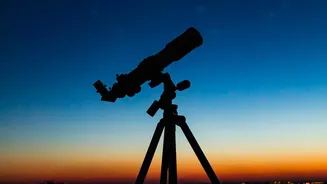
The headline is right: you can leave heavy telescopes at home. In fact, you should. Telescopes and even most binoculars have a narrow field of view, which is terrible for spotting meteors that can streak across any part of the sky in an instant. Your naked eyes are the best tools for the job, as they provide the widest possible view. The goal is to lie back and take in as much of the sky as possible. If you do bring equipment, make it a comfortable reclining chair or a thick blanket to lie on. This will save you from neck strain and make the experience far more enjoyable.
How to Beat the City Lights
Viewing from an urban or suburban area presents the biggest challenge: light pollution. While you won't get the pristine views of a rural area, you can still see meteors by being strategic. First, find the darkest spot you can safely access. This might be a backyard, a local park away from sports fields, or even a high-rise rooftop with an open view. The key is to block direct light from street lamps or buildings. Position yourself so that a building or a line of trees blocks the brightest parts of the city glow. Even a small reduction in direct light can make a big difference.
The Most Important Tool: Patience
Your eyes need time to adjust to the darkness, a process that takes at least 20-30 minutes. During this time, avoid looking at your phone screen at all costs, as its bright light will instantly ruin your night vision. If you need a light, use a red-filtered flashlight or an app with a red-light mode. Once your eyes are adapted, settle in and wait. Meteors often come in spurts. You might see nothing for ten minutes and then catch two or three in quick succession. From a city, seeing even a few bright meteors per hour is a success, so set your expectations realistically and enjoy the quiet moments of stargazing.
Final Tips for a Successful Night
To maximise your chances, check the weather forecast for clear skies before you head out. Consider downloading a stargazing app like SkyView or Star Walk ahead of time to help you locate the constellation Orion, which will be in the southeastern sky after midnight. While meteors can appear anywhere, knowing the radiant's general direction is helpful. Remember to dress warmly, as even mild evenings can get chilly in the pre-dawn hours. Bring a warm drink and a friend to share the experience, turning a simple observation into a memorable outing.