
The Allure of Club Cuisine
In the bustling cities of India, members-only clubs have long been bastions of a certain kind of life. Remnants of the British Raj, these institutions became hubs for Indian professionals, offering a space for camaraderie, sport, and, most importantly,
food. The club menu is a genre unto itself, a comforting mix of colonial-era staples, Anglo-Indian inventions, and steadfast Indian classics. It’s here that certain dishes became legends, served the same way for decades, forming a culinary through-line for generations of members. While famous Parsi clubs like Mumbai's Ripon Club are celebrated for meaty delicacies like Mutton Dhansak, their kitchens also hold a rich repertoire of vegetarian preparations that tell a fascinating story.
Parsi Flavours: A Tale of Two Cultures
Parsi cuisine is a delicious chronicle of migration and adaptation. Originating in Persia, the Parsis arrived in India between the 8th and 10th centuries, settling primarily on the west coast in Gujarat. Their food reflects this journey, blending Persian techniques and a love for meat, nuts, and dried fruits with the vibrant spices and local produce of India. The result is a distinct culinary profile often described as 'tikhu-khatu-mithu'—a masterful balance of spicy, sour, and sweet notes. While justifiably famous for their meat and egg dishes, from Sali Boti to Akuri, Parsi cooking also boasts a wealth of inventive vegetarian recipes, often influenced by the local Gujarati palate.
Kathal: The Humble Hero
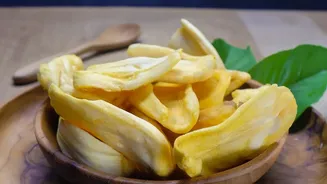
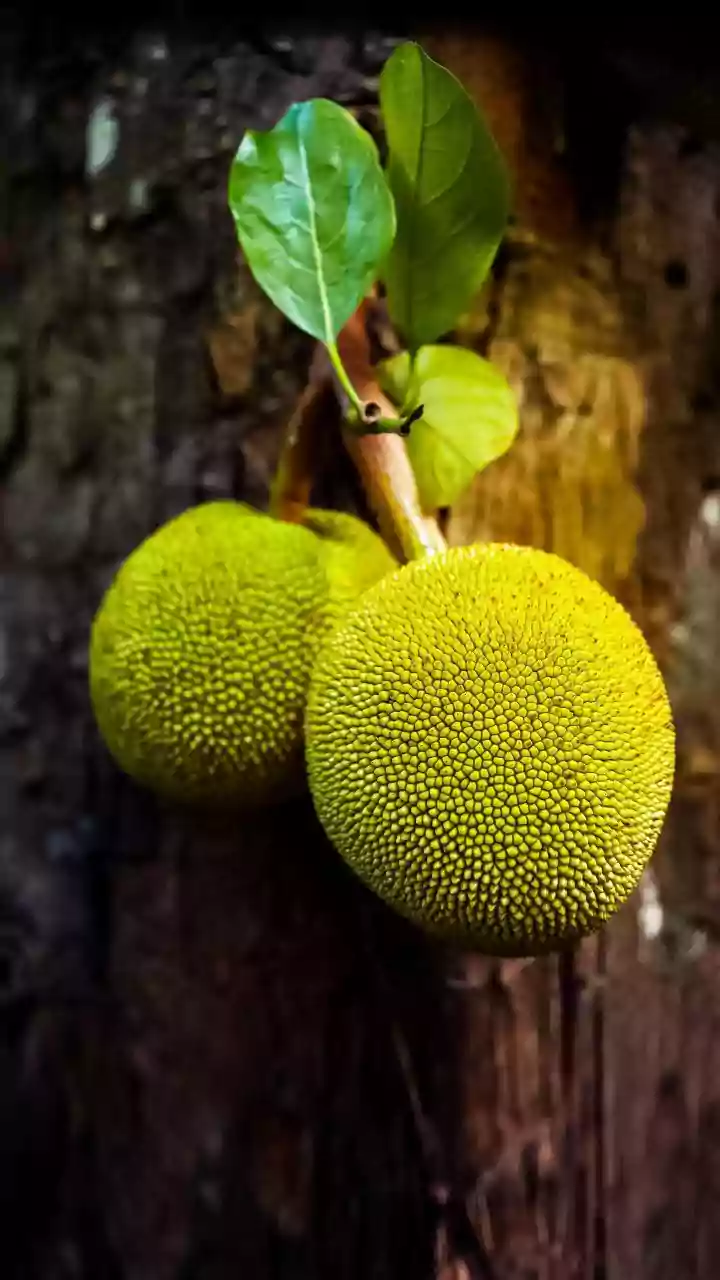
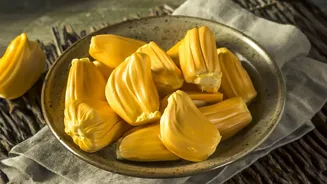
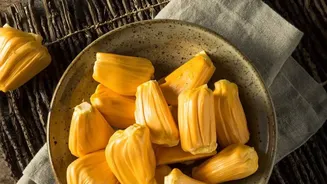
Enter kathal, or raw jackfruit. Native to India, this versatile ingredient is celebrated across the country for its unique, fibrous texture that, when cooked, bears a striking resemblance to pulled meat. Often called the 'poor man's food', its ability to absorb spices and create a hearty, satisfying dish makes it a favourite in many regional cuisines, from curries in the north to preparations in the south. In Parsi kitchens, where creativity with vegetables is key, kathal found a natural home. It provided a perfect canvas for the community's signature masalas, transforming into a dish worthy of a celebration or a leisurely club lunch.
The Recipe: Parsi-Style Kathal Masala
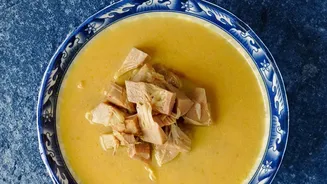
This recipe captures the essence of Parsi home cooking, balancing a robust masala with the subtle sweetness of the jackfruit. It’s a dish that feels both comforting and special, a taste of a tradition that has been lovingly maintained. While many recipes for kathal exist across India, this version leans into the Parsi preference for a rich, well-spiced gravy that is aromatic without being overwhelmingly hot. The use of whole spices, slow-cooked onions, and a touch of tang creates a preparation that is complex and deeply flavourful. Ingredients: 500g raw jackfruit (kathal), peeled and cut into chunks 2 large onions, finely chopped 2 medium tomatoes, pureed 1 tablespoon ginger-garlic paste 1/2 cup plain curd, whisked 2 tablespoons oil Whole Spices: 1-inch cinnamon stick, 4 cloves, 3 green cardamoms, 1 bay leaf 1 teaspoon cumin seeds Powdered Spices: 1 teaspoon coriander powder, 1/2 teaspoon turmeric powder, 1/2 teaspoon Kashmiri red chilli powder, 1/2 teaspoon garam masala Salt to taste A pinch of sugar (optional) Fresh coriander for garnish Instructions: 1. Prepare the kathal: If using fresh jackfruit, it's often boiled or pressure-cooked briefly until tender but not mushy. This step ensures it cooks evenly in the masala. Set aside. 2. Make the masala: Heat oil in a heavy-bottomed pan or pressure cooker. Add the cumin seeds and whole spices (cinnamon, cloves, cardamom, bay leaf) and let them sizzle until fragrant. 3. Add the chopped onions and sauté over medium heat until they turn soft and golden brown. This is a key step for building flavour. 4. Stir in the ginger-garlic paste and cook for another minute until the raw smell disappears. 5. Add the powdered spices (coriander, turmeric, chilli powder) and cook for 30 seconds, then add the tomato puree. Cook the mixture until the oil begins to separate from the masala. 6. Lower the heat and slowly stir in the whisked curd, mixing continuously to prevent it from splitting. Cook for a couple of minutes. 7. Add the cooked kathal pieces and salt. Mix gently to coat the jackfruit with the masala. Add about a cup of water (or as needed to achieve your desired gravy consistency) and the optional pinch of sugar. 8. Cover and simmer on low heat for 15-20 minutes, allowing the flavours to meld. If using a pressure cooker, one whistle on medium flame is usually sufficient. 9. Finish with a sprinkle of garam masala and garnish with fresh coriander leaves before serving.