



1. Not Researching Your Destination
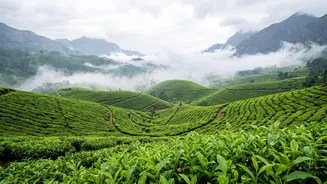
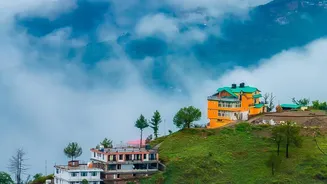
Assuming all destinations are equal during the monsoon is a classic blunder. While places like Goa, Kerala, and the Western Ghats come alive with spectacular waterfalls and verdant landscapes, others become risky. Mountainous regions in states like Uttarakhand
and Himachal Pradesh, for instance, are often prone to landslides and flash floods. Even popular spots can have their access roads blocked. Before you book, do a quick check on the typical monsoon conditions of your chosen spot. Some areas, like the high-altitude deserts of Ladakh or parts of Rajasthan, receive very little rainfall and can be excellent alternatives if you want to avoid the rain altogether. A little research ensures you experience the magic of the monsoon, not its hazards.
2. Packing the Wrong Clothes and Footwear
That favourite cotton kurta or pair of jeans might seem like a good idea, but they are your worst enemies in high humidity. Cotton absorbs moisture and takes ages to dry, leaving you feeling damp and uncomfortable. Instead, pack lightweight, synthetic fabrics like polyester or nylon that dry quickly. Equally important is your footwear. Standard shoes trap water, while casual flip-flops can be dangerously slippery on wet surfaces. The best options are waterproof sandals with a good grip or rubber boots that can handle waterlogged streets and muddy trails with ease.
3. Ignoring Health and Safety Precautions
The rainy season unfortunately creates a perfect breeding ground for mosquitoes and waterborne diseases. Dengue and malaria cases often spike during this time, so carrying a strong insect repellent is non-negotiable. It's also wise to be cautious about food and water. Avoid street food, no matter how tempting, as the high moisture content in the air can lead to rapid bacterial growth and contamination. Stick to bottled or boiled water and opt for freshly cooked meals at clean, reputable establishments to keep stomach bugs at bay.
4. Forgetting to Waterproof Everything
A good raincoat or umbrella is obvious, but what about your belongings? A sudden downpour can soak through a backpack in minutes, putting your electronics, wallet, and important documents at risk. Invest in a waterproof bag cover, which is a lightweight and effective first line of defence. For extra security, use waterproof pouches or even simple ziplock bags for your phone, camera, power bank, and passport. Some seasoned travellers also line their bags with a heavy-duty bin liner for an added layer of protection. It’s a simple step that can save you from major hassle and heartache.
5. Sticking to a Rigid Itinerary
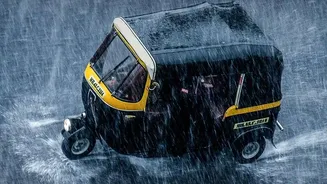
Monsoon travel demands flexibility. Heavy rain can cause unexpected delays, from traffic jams in the city to road closures in hilly areas. Treating a downpour as a minor inconvenience rather than a major travel disruptor is a mistake. Packing your schedule too tightly leaves no room for these eventualities and can lead to stress and disappointment. Instead, build buffer time into your plan. If a road is blocked or a sightseeing spot is closed due to weather, have a backup plan. Sometimes, the best part of a monsoon trip is simply relaxing with a hot cup of chai and watching the rain from your hotel window.
6. Underestimating Dangers on the Road
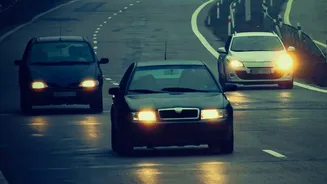
If you are planning a road trip, extra caution is essential. Roads become slippery, reducing tyre grip and increasing braking distances. Potholes hide under waterlogged streets, and visibility can drop to near zero in a heavy shower. It's crucial to reduce your speed, maintain a safe distance from the vehicle ahead, and ensure your car's essentials—tyres, brakes, and wipers—are in top condition before you start. Using low-beam headlights helps other drivers see you without blinding them. If possible, hiring a local driver who is experienced with the terrain and monsoon conditions is often the safest bet.
7. Forgetting Your First-Aid Kit
While a first-aid kit is always a travel essential, it’s even more critical during the monsoon. The damp conditions can lead to fungal skin and nail infections. Minor cuts and scrapes can also get infected more easily. Your kit should include antiseptic cream, waterproof adhesive bandages, and any personal medications. It's also a good idea to pack common medicines for fever, cold, and stomach upsets, which are more prevalent during this season. Having these basics on hand means you can deal with minor issues quickly without having to search for a pharmacy in an unfamiliar place.