









The Monsoon Moving Challenge
Moving house in India's rainy season is a unique battle against the elements. Beyond the logistical headaches of waterlogged streets and traffic snarls, the primary enemy is moisture. Cardboard boxes, the backbone of any relocation, lose their structural
integrity when damp, putting their contents at risk. While you might be focused on keeping your sofas and electronics dry, a subtle but far more critical threat is the potential for irreversible damage to your most important documents. A single leaky box or a moment of exposure to a sudden downpour can lead to devastating consequences for papers that are difficult, and sometimes impossible, to replace.
Why Your Papers Deserve VIP Treatment
Think for a moment about the critical documents stored in your home: property deeds, birth and marriage certificates, educational degrees, financial records, and identity proofs like Aadhaar and PAN cards. Losing any of these to water damage is not just an inconvenience; it can spiral into a bureaucratic nightmare of re-issuance that can take months or even years to resolve. Unlike a damp piece of furniture that can be dried, a waterlogged document is often permanently destroyed. This is why these items shouldn't be treated like any other household good; they require a separate, specialised plan.
Create a Document 'Go-Bag'
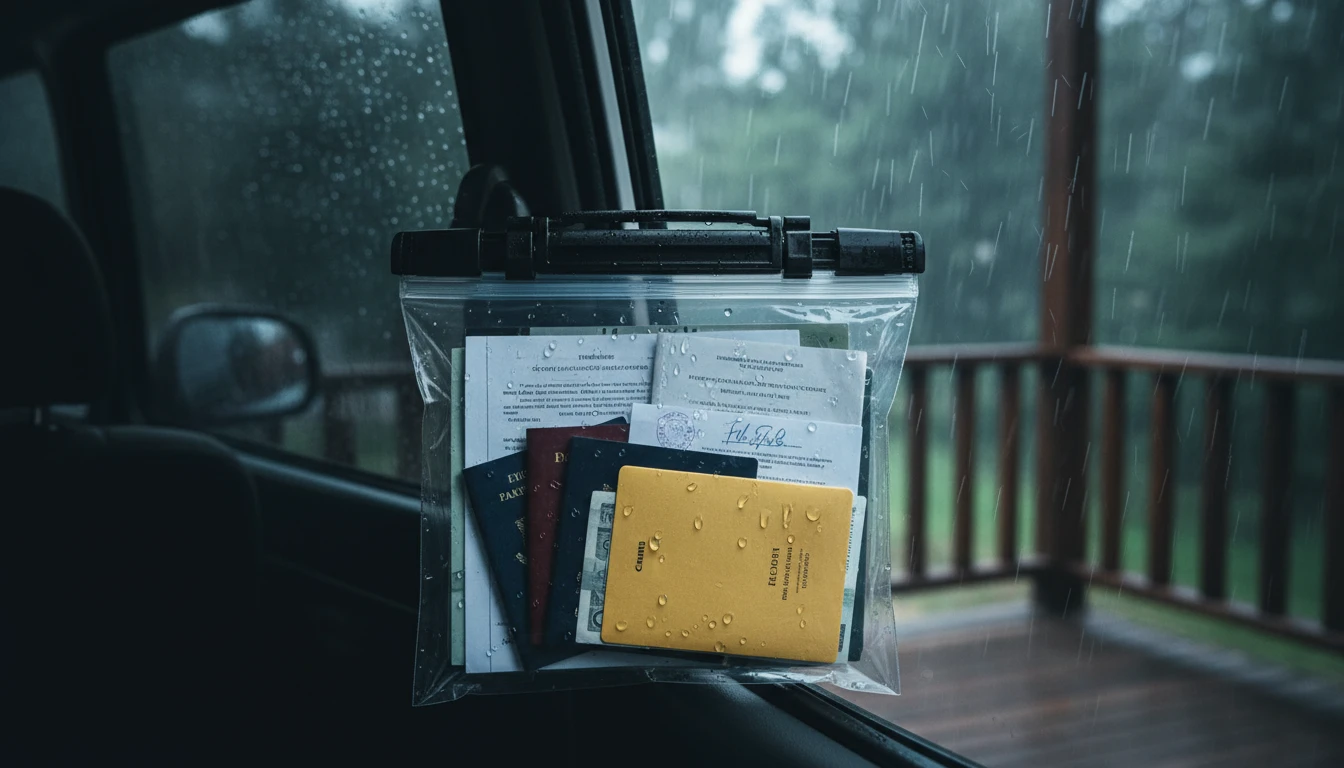
The single most effective strategy is to create a dedicated, waterproof 'go-bag' for all essential papers. Do not pack these documents in with your other belongings. Instead, gather them and place them in waterproof sleeves or zip-lock bags. For maximum security, invest in a purpose-built waterproof and fire-resistant document bag. This bag should contain everything you cannot afford to lose: passports, property titles, insurance policies, wills, and key financial statements. This consolidated kit ensures your most vital assets are contained, protected, and easily accessible.
Digitise Before You Depart
Before you even think about packing the physical copies, create a digital backup. Scan every important document and save the files to a secure cloud storage service like Google Drive, Dropbox, or iCloud. This creates a crucial layer of redundancy. If the worst happens and the physical copies are somehow lost or damaged despite your best efforts, you will still have legible digital versions that can be accessed from anywhere. This simple step can be a lifesaver in a crisis. Also, consider saving copies on an encrypted USB drive that you keep separate from the originals.
Personal Carry is the Only Way
Once your document go-bag is packed and your digital backups are secure, the final rule is simple: this bag travels with you, not in the moving truck. The back of a moving van, even a covered one, is a high-risk environment during a monsoon move. It’s susceptible to leaks, high humidity, and the risk of items shifting and breaking. Keep the document bag in your personal vehicle or carry it with you if you're taking other transport. This ensures you have constant supervision and control over your most irreplaceable possessions, separating them entirely from the chaos of the main move.
Extend the Logic to Other Valuables
This 'separate and secure' principle applies to more than just paper. Small, high-value items are also poor candidates for the moving truck. This includes jewellery, medication, external hard drives, laptops, and any sentimental items that are irreplaceable. Pack a separate essentials box or bag for these as well. It should contain everything you'll need for the first 24 hours in your new home, including toiletries, a change of clothes, phone chargers, and basic snacks. This not only protects your valuables but also makes the first night much more comfortable.