






Your Rights Under the Passenger Charter
In India, air passenger rights are protected by a set of rules issued by the Directorate General of Civil Aviation (DGCA). These regulations are compiled into a document known as the Passenger Charter. This charter applies to all scheduled flights operating
to, from, and within India, regardless of the airline's nationality. The rules are legally binding and outline the airline's obligations in cases of flight disruption. Airlines are now required to share a link to this charter when you book a ticket, ensuring you have access to this vital information. These rights are not just goodwill gestures; they are enforceable entitlements covering everything from long delays to last-minute cancellations and denied boarding. It is important to note that these rules do not apply in cases of "extraordinary circumstances" beyond the airline's control, such as extreme weather, political instability, or security risks.
When Your Flight is Cancelled
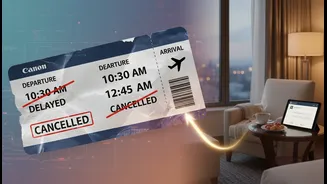
If an airline cancels your flight, your entitlements depend on when you were notified. If the airline informs you of the cancellation less than 24 hours before the scheduled departure, you are entitled to a choice: either a full refund of your ticket or an alternative flight. On top of that, you are also eligible for financial compensation ranging from ₹5,000 to ₹10,000, depending on the flight's duration. If the notice is given between 24 hours and two weeks before departure, the airline must offer you an alternative flight. For cancellations announced with more than two weeks' notice, the airline must offer you either an alternative flight at no extra cost or a full refund. A significant recent change effective from March 26, 2026, allows passengers to cancel their own tickets within 48 hours of booking without a cancellation fee, provided the flight is at least seven days away.
Entitlements During Long Delays
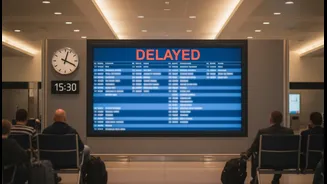
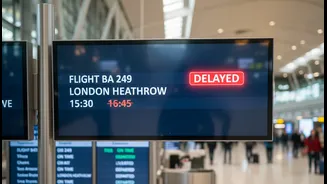
While flight delays in India do not typically result in direct cash compensation, airlines are obligated to provide care. For delays of two hours or more, passengers are entitled to free meals and refreshments appropriate for the time of day. If a delay stretches beyond six hours for a domestic flight, your rights increase significantly. At this point, the airline must offer you the choice of a full refund or rebooking on an alternative flight. Should a flight scheduled between 8 p.m. and 3 a.m. be delayed by more than six hours, the airline is required to provide free hotel accommodation and transport. These measures are designed to ensure your basic needs are met during an extended and unexpected wait at the airport.
Denied Boarding Due to Overbooking
Airlines in India are legally permitted to overbook flights. If you are involuntarily denied boarding despite having a confirmed ticket and checking in on time, you are entitled to significant compensation. The airline must first ask for volunteers to give up their seats in exchange for benefits. If there aren't enough volunteers, and you are bumped off the flight, the airline must arrange an alternative flight. If the new flight is scheduled to depart within 24 hours of your original one, you are owed compensation of up to 200% of your one-way base fare and fuel surcharge, capped at ₹10,000. If the alternative flight is more than 24 hours later, the compensation doubles to 400% of the fare, capped at ₹20,000. In this case, you are also entitled to a full refund of your ticket.
How to Claim Your Refund and Rights
When seeking a refund or compensation, your first step should always be to contact the airline directly. If a refund is due, the DGCA has set clear timelines. For tickets paid by credit card, the refund should be processed within seven working days. If you booked through a travel agent or an online portal, the airline is still responsible and must ensure the refund reaches you within 14 working days. If you believe your rights have not been respected, you can file a grievance through the government's AirSewa portal or, for more significant disputes, approach a consumer court. Always keep your boarding pass, ticket confirmation, and any written communication from the airline as evidence for your claim.