
What Exactly Is Shokupan?
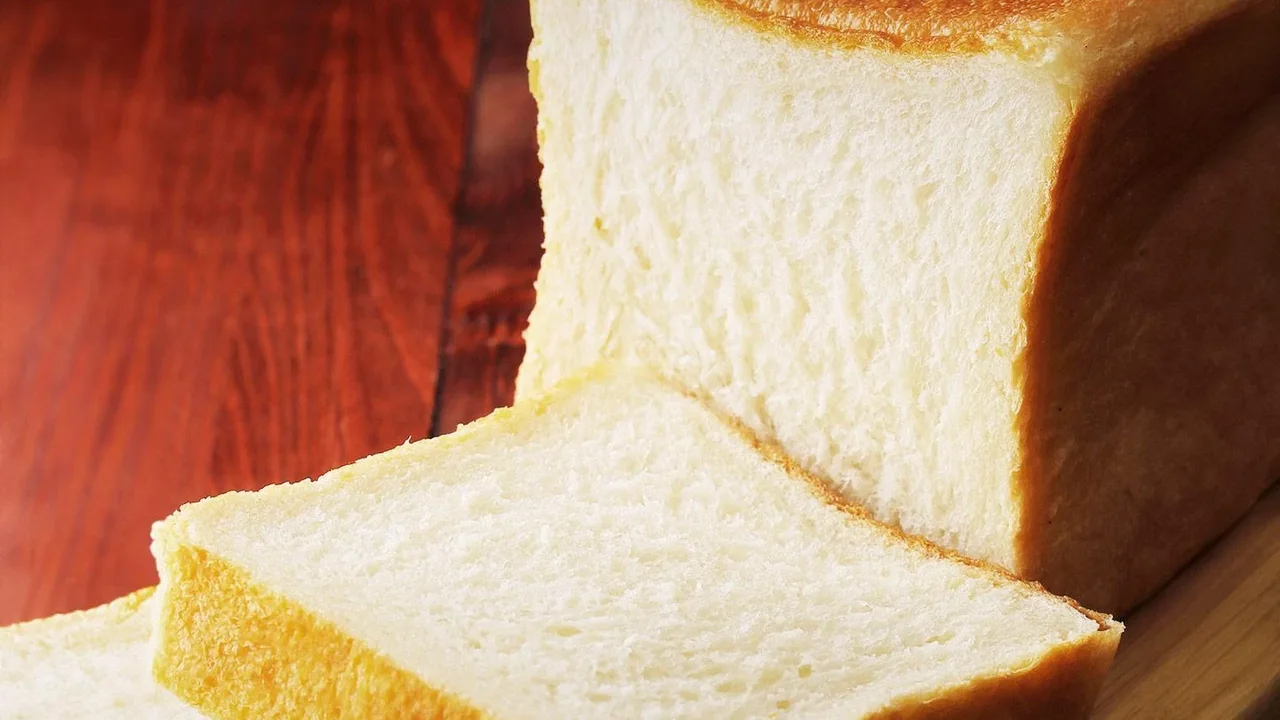
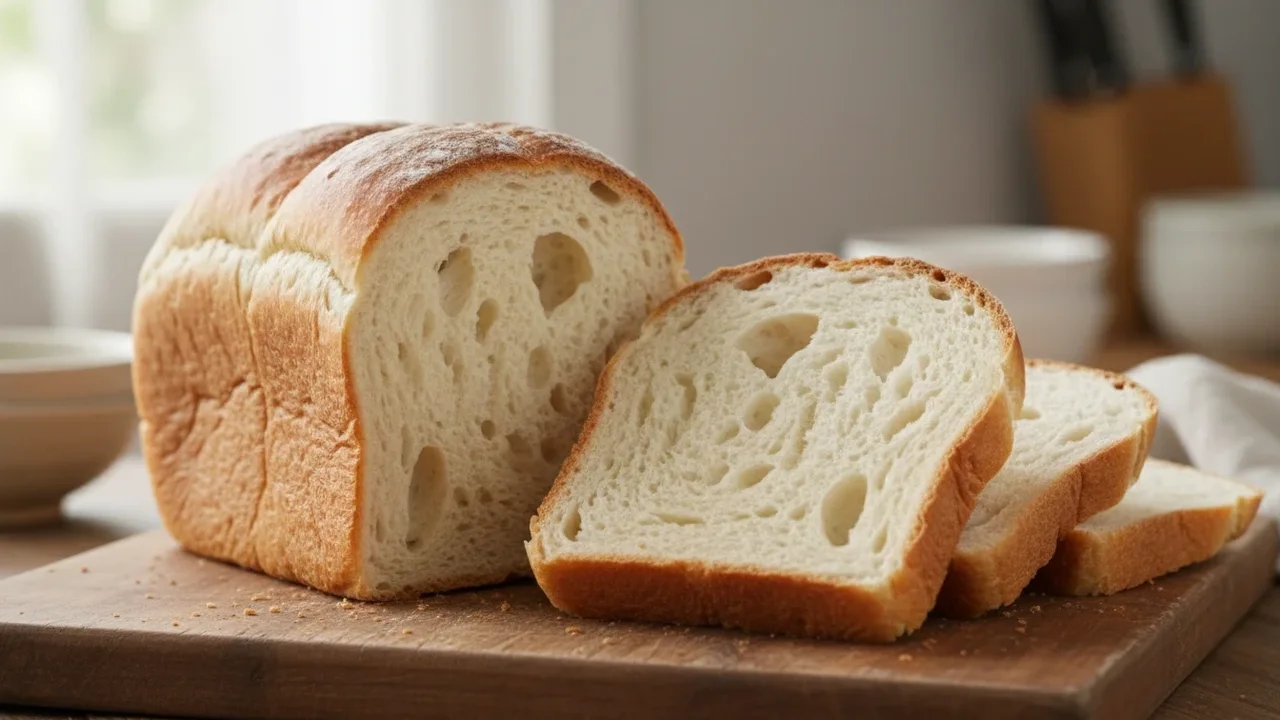
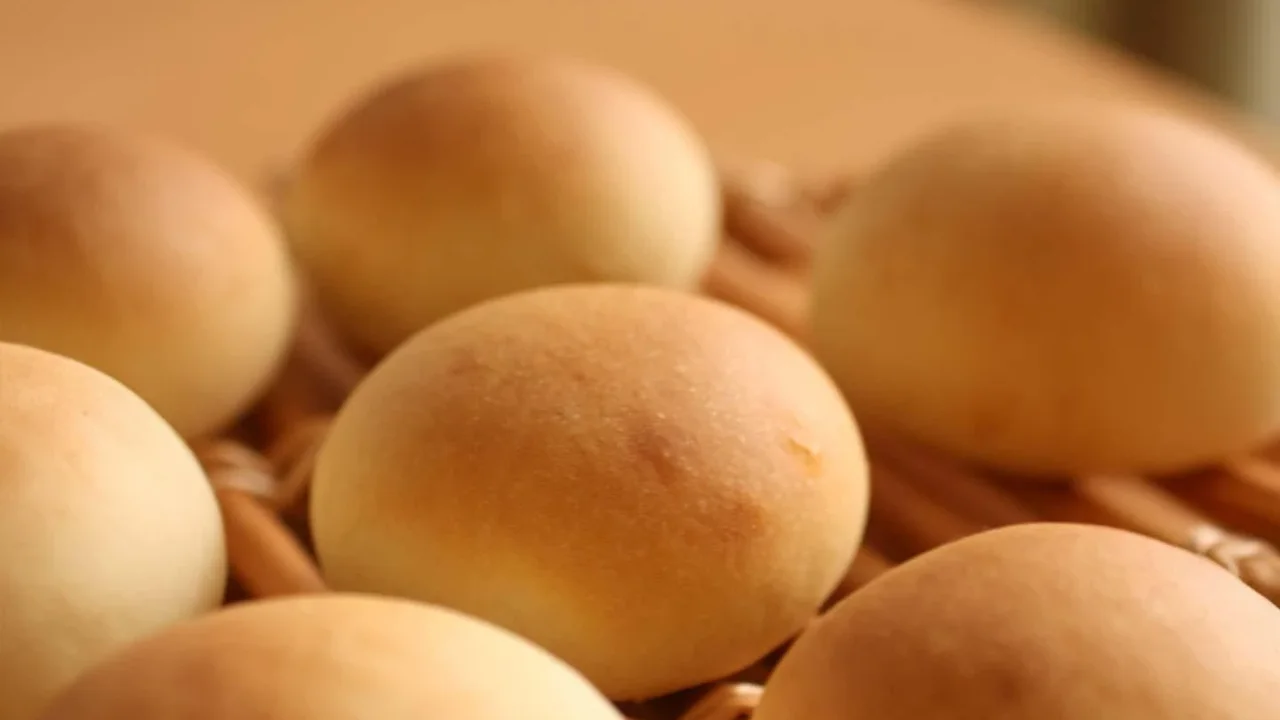
Shokupan is a type of white bread from Japan, but it's a world away from the standard sliced loaf you might be used to. Its name literally translates to “eating bread,” a testament to its status as a staple food. The defining characteristics are its incredible
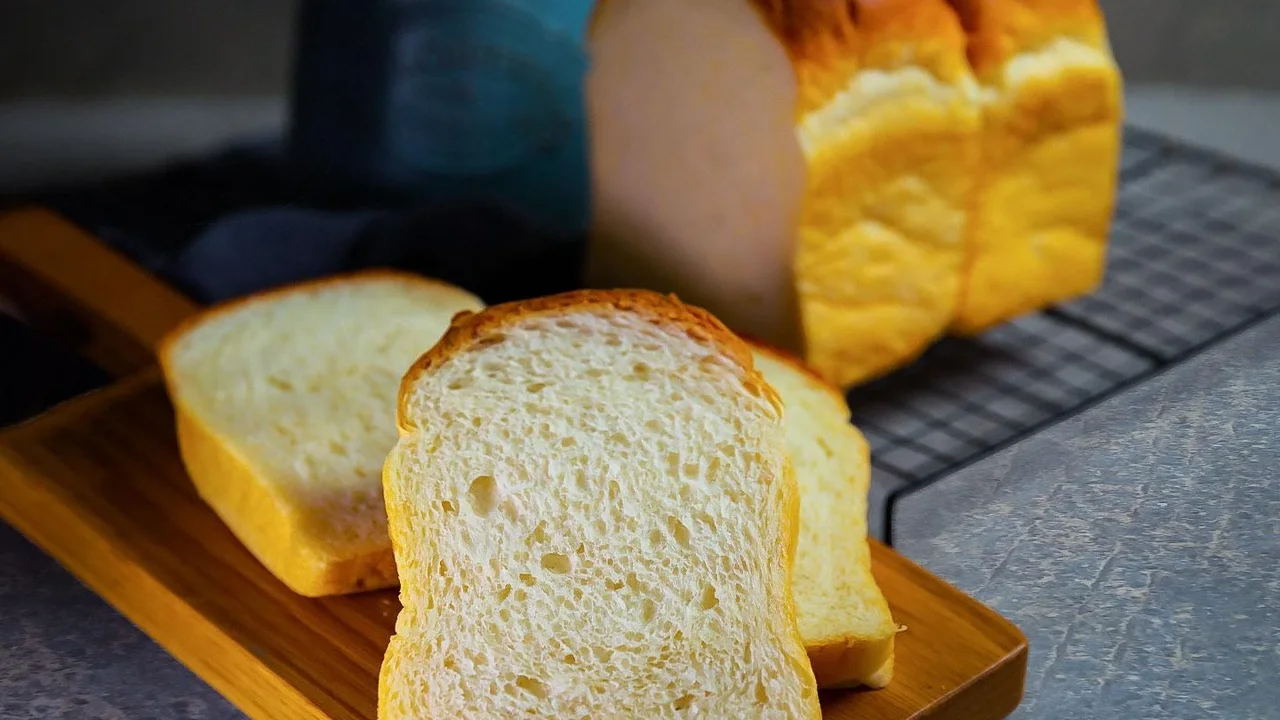
softness, a slightly sweet, milky flavour, and a thin, tender crust. Often baked in a special lidded pan to create a perfect square shape, the inside reveals a feathery, bouncy, and wonderfully moist crumb that has an almost 'mochi mochi' (chewy) quality. This unique texture has made it a sensation, with people in Japan often lining up at bakeries to get a fresh loaf.
The Secret to Unbelievable Softness
The magic behind Shokupan’s signature texture lies in a specific baking technique known as the yudane or tangzhong method. This involves cooking a small portion of the flour with water or milk to create a thick paste, or roux, before it's added to the rest of the dough ingredients. This pre-gelatinized starch allows the dough to hold significantly more moisture. The result is a loaf that is not only incredibly soft and fluffy on day one, but also stays fresh and moist for longer than conventional bread. This method is the key to achieving that pillowy, cloud-like interior that sets Shokupan apart.
Not Just Another White Bread
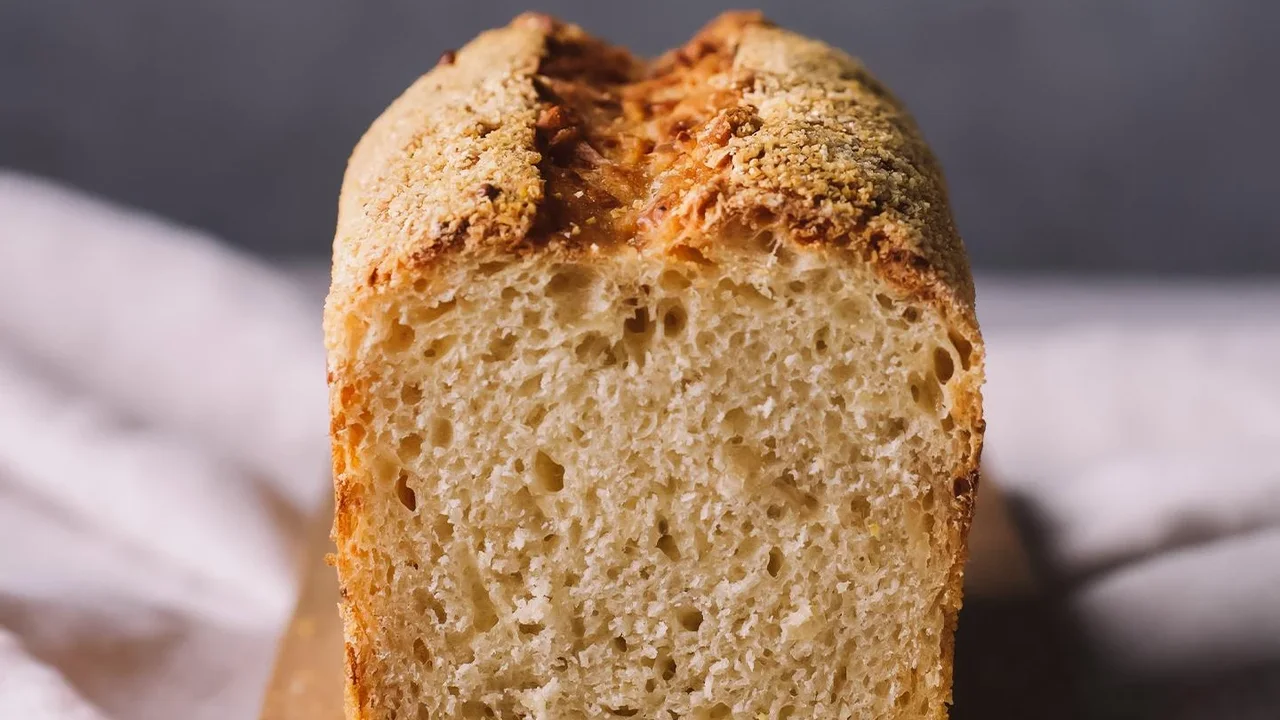
While it may look like a simple white loaf, comparing Shokupan to typical Western sandwich bread is like comparing a luxury sedan to a basic hatchback. Standard breads are often defined by a crisp crust and a more open, airy crumb. Shokupan, by contrast, prioritises a soft, tight, and uniform texture from edge to edge. Its flavour is also richer and more complex, with a distinct milky sweetness that comes from the milk, sugar, and sometimes butter or condensed milk in the dough. Yet, despite its decadent feel, it’s not as dense as a rich bread like brioche. It strikes a perfect balance, making it a more sophisticated and flavourful cousin to everyday white bread.
The Ultimate Sandwich Canvas
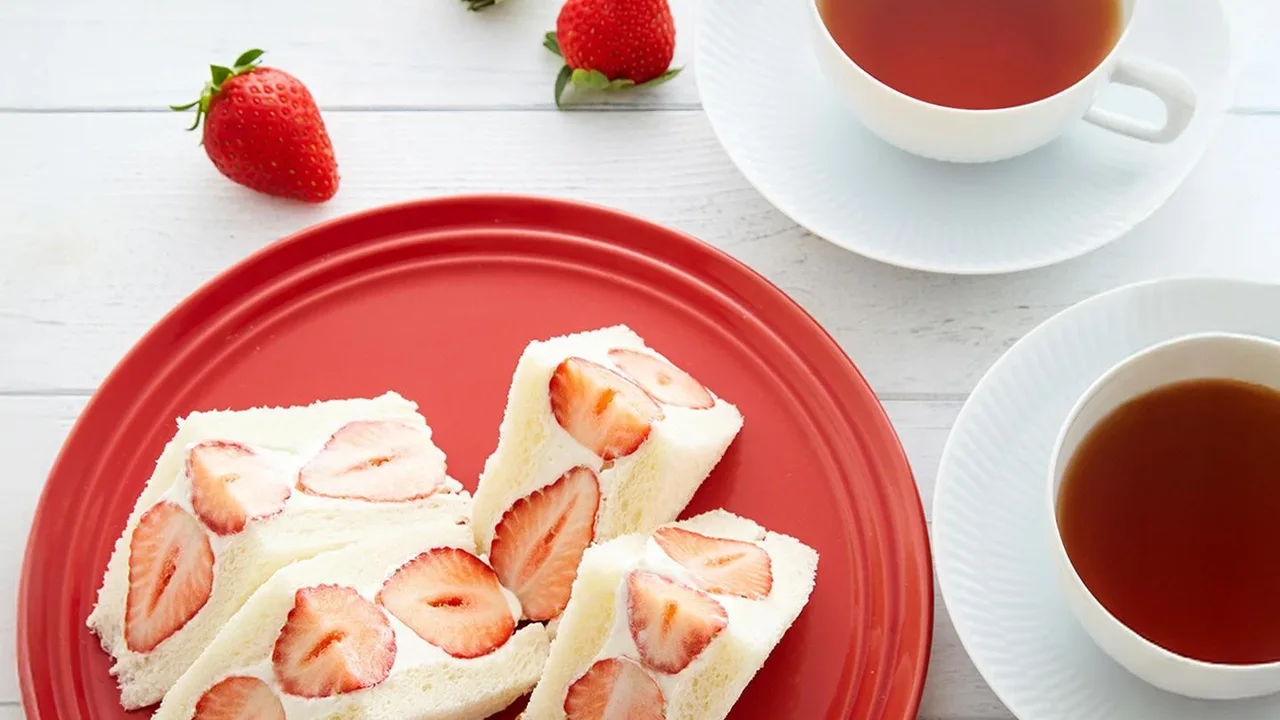
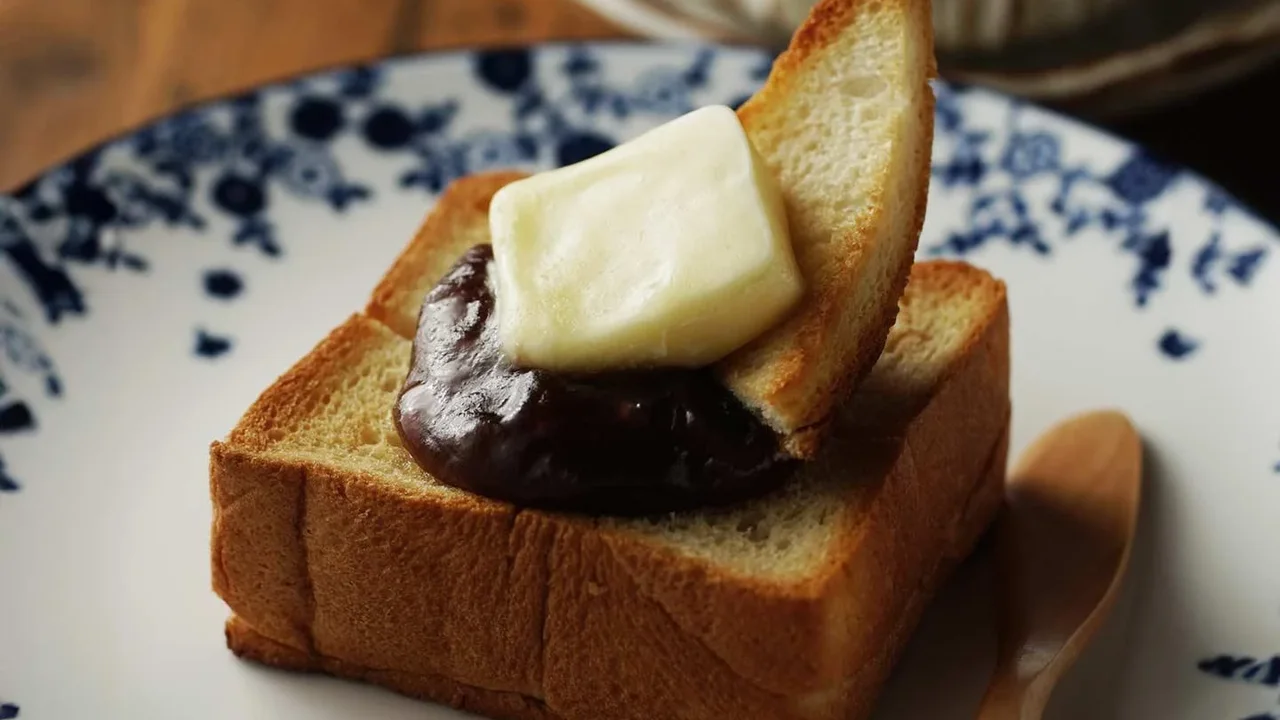
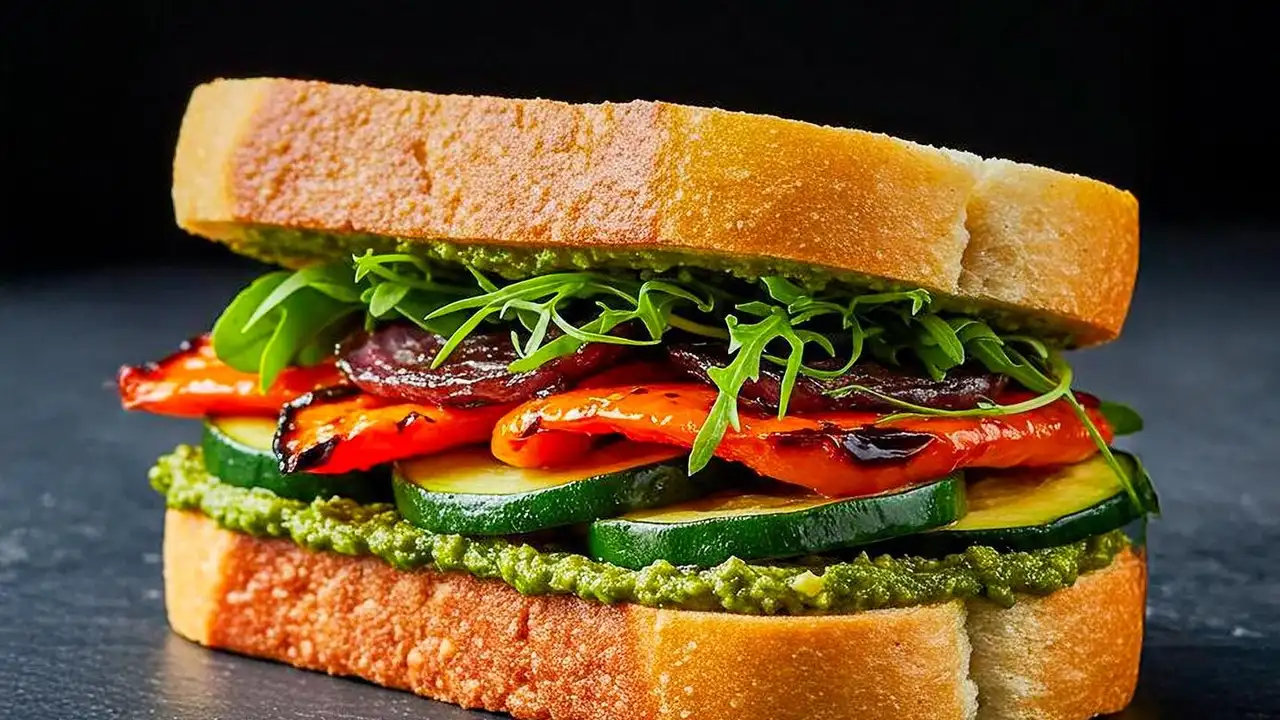
This unique combination of traits makes Shokupan the perfect vehicle for sandwiches. Its sturdy but soft structure can handle generous fillings without falling apart or becoming soggy. The subtle sweetness of the bread creates a delicious contrast with savoury ingredients, which is why it’s the bread of choice for the iconic Japanese katsu sando (fried pork cutlet sandwich) and tamago sando (egg salad sandwich). The crusts are so tender that they are often left on, but for the classic crustless Japanese convenience store-style sandos, the pillowy bread is the star. It also excels in simpler applications, like a grilled cheese, where the soft bread toasts to a perfect golden-brown while the inside melts into a creamy delight.
A Modern Staple with Rich History
While bread was first introduced to Japan by Portuguese missionaries in the 16th century, it only became a widespread part of the diet after World War II. American wheat shipments and the influence of Western food culture during that period led Japanese bakers to develop a bread that would suit local tastes. Shokupan was the delicious result, a loaf that adapted Western bread-making for a Japanese palate that preferred softer textures and a hint of sweetness. Today, this once-humble loaf has become a global phenomenon, appearing in high-end bakeries and cafes far beyond Japan's borders, celebrated for its unique ability to turn a simple sandwich into a culinary experience.