



A Tradition Steeped in Nature
In the crisp mountain air of regions like Uttarakhand and Himachal Pradesh, wellness is not a trend but a way of life passed down through generations. Long before commercially produced tea bags arrived, locals brewed what the forests and meadows provided.
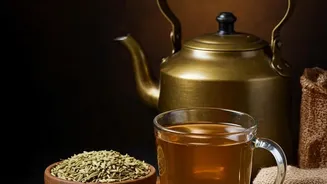
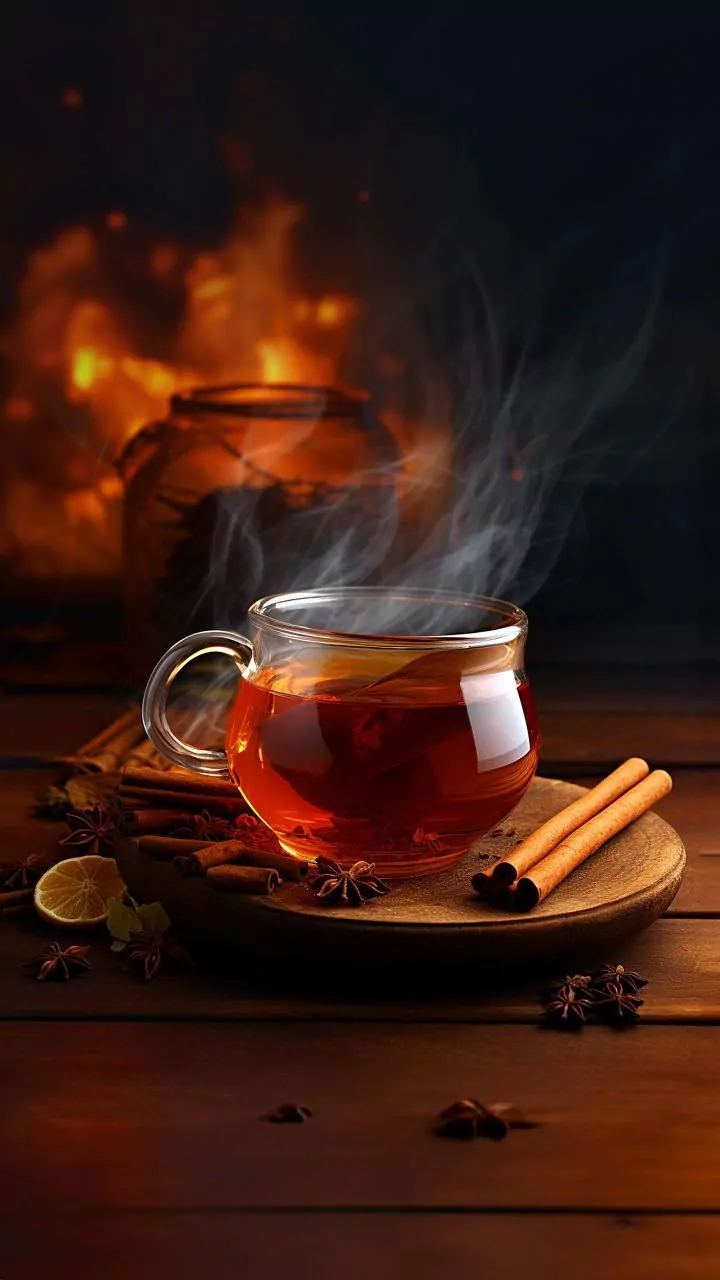
These herbal infusions were more than just beverages; they were a part of daily rituals, used for warmth, vitality, and gentle healing. Unlike the familiar spiced milk tea, these brews are simple, clean, and directly connected to the alpine ecology. They are made from handpicked flowers, leaves, and berries, dried carefully to preserve their natural properties and flavours. Each cup tells a story of the mountains, a narrative of the soil, the altitude, and the traditional wisdom of the communities who call these peaks home.
Buransh: The Crimson Himalayan Flower
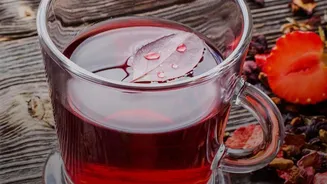
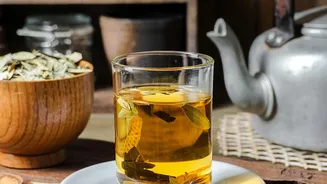
One of the most visually stunning and beloved brews is made from the petals of the Rhododendron arboreum, or Buransh, as it is locally known. Blooming in vibrant red hues across the hillsides from March to May, the Buransh flower is a sight to behold. Once harvested, the petals are sun-dried and steeped in hot water to create a beautiful, ruby-coloured tea with a slightly sweet and tangy floral flavour. Traditionally, Buransh tea is valued for its wellness properties. It is rich in antioxidants and is often consumed to support heart health, improve circulation, and boost immunity. Locals have long turned to this brew to combat seasonal colds and provide a natural energy boost.
Sea Buckthorn: The Himalayan Superfruit
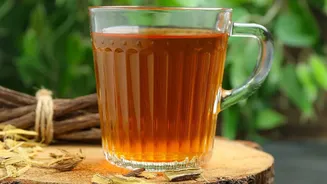
Growing in the harsh, cold deserts of Ladakh and Lahaul-Spiti, sea buckthorn is a hardy shrub that produces bright orange berries. Often called the 'elixir from the Himalayas', this plant is a powerhouse of nutrients. While the berries are used to make tangy juices and jams, the leaves are dried for a calming herbal tea. Sea buckthorn tea, made from either the leaves or berries, has a refreshing, citrusy flavour. It is packed with vitamins, particularly Vitamin C, and numerous antioxidants. For centuries, Himalayan communities have used it to boost immunity, support digestion, and promote healthy skin. This 'Himalayan superfruit' offers a zesty and nourishing brew that captures the resilience of its high-altitude origins.
Himalayan Nettle: The Wild Green Infusion
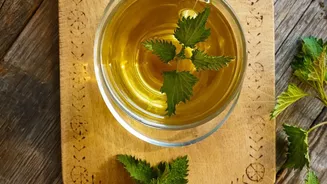
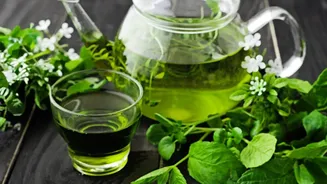
Stinging nettle, known locally as 'Bichhu Booti' or 'Kandali', might be infamous for its sting when fresh, but it transforms into a deeply nourishing tea once dried. Wild-harvested from the pristine slopes of the Himalayas, nettle leaves are a cornerstone of traditional mountain wellness. The brewed tea is smooth and has an earthy, savoury green flavour, reminiscent of spinach or green beans. It is naturally caffeine-free and valued for its high mineral content. Traditionally, nettle tea is consumed to help with joint pain, regulate blood pressure, and as a natural detoxifier. It is a grounding, gentle brew that offers a taste of the wild, untamed Himalayan flora.
Tulsi: The Queen of Herbs
While Tulsi, or Holy Basil, is revered across India, the varieties that grow in the high altitudes of the Himalayas are believed to possess a special potency. As an adaptogen, Tulsi is known for helping the body cope with stress. A warm cup of Himalayan Tulsi tea offers a comforting, slightly spicy, and peppery aroma. It is a staple in mountain households, often brewed to ward off coughs and colds, clarify the mind, and support respiratory health. It can be enjoyed on its own or blended with other herbs like mint or ginger for a refreshing and aromatic experience that soothes both the body and soul.