


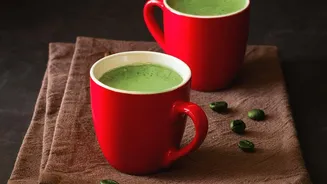

The Energy Equation: A Tale of Two Buzzes
The primary reason we reach for a caffeinated drink is for that welcome jolt of energy. However, how coffee and matcha deliver that boost is fundamentally different. Iced coffee provides a quick and powerful surge of energy. Its caffeine is absorbed rapidly
into the bloodstream, leading to a sharp spike in alertness that many rely on to kickstart their day. The downside, however, can be the equally sharp crash that follows a few hours later, sometimes accompanied by feelings of jitteriness or anxiety. Matcha, on the other hand, offers what many describe as a state of 'calm alertness'. This is thanks to a unique amino acid called L-theanine, which is abundant in the shade-grown tea leaves. L-theanine works in synergy with caffeine, slowing its release into the body. This results in a more sustained, gentle wave of energy that can last for four to six hours, without the notorious spike and crash associated with coffee. This compound also promotes alpha brain waves, the same kind associated with focused meditation, providing energy without the nervous edge.
The Health Halo: More Than Just a Buzz
Beyond the caffeine, both drinks come with their own set of health credentials. Coffee is a well-known source of antioxidants, primarily chlorogenic acids, which have been linked to various positive health outcomes. Matcha, however, takes the wellness factor to another level. Because you are consuming the entire ground tea leaf rather than just a brew, you ingest a higher concentration of nutrients. It is exceptionally rich in a class of antioxidants called catechins, particularly epigallocatechin gallate (EGCG), which has been widely studied for its health-promoting properties. Matcha also delivers a dose of chlorophyll, the pigment that gives it its brilliant green hue. For many, matcha is also perceived as being gentler on the digestive system than coffee. This potent combination of benefits is a major driver for health-conscious consumers looking for more from their daily drink.
A Different Flavour Story
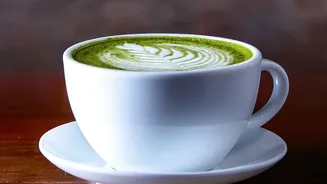
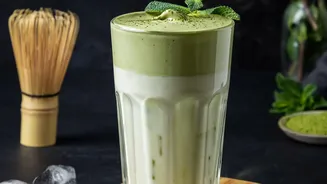
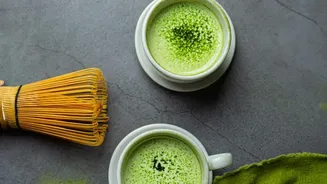
When it comes to taste, the two could not be more different. Iced coffee is defined by its familiar bold, roasted, and often slightly bitter or acidic notes. It’s a robust flavour that has been the backbone of cafe culture for decades. Matcha introduces a completely different palate. A good quality matcha has a complex flavour profile that is grassy, vegetal, and marked by a distinct savoury-sweet note known as 'umami'. This unique taste has proven to be incredibly versatile. In Indian cafes, you’ll find it served not just as a classic latte, but creatively blended with oat milk, coconut water, or even white chocolate, creating a wide spectrum of drinks that appeal to a broad audience seeking novelty.
The Vibe: Culture, Cost, and Cachet
The rise of matcha in India is about more than just its physical properties; it’s a cultural phenomenon. In major urban centres like Delhi, Mumbai, and Bangalore, ordering a matcha latte has become a statement. The drink is visually striking, making it a fixture on social media feeds and aligning perfectly with the wellness-oriented, aesthetically driven lifestyles of millennials and Gen Z. In some trendy city cafes, matcha is reportedly outselling other specialty teas, signalling a real shift in consumer preference. This trendiness comes at a price. A matcha latte in an Indian city cafe can cost anywhere from ₹250 to ₹450, positioning it as a premium indulgence. While the cold coffee market continues to boom, matcha’s rapid growth rate—nearly double that of the broader tea market in India—shows it is decisively 'outperforming' in cultural relevance and capturing a demographic hungry for something new.