


The Third Pillar of Flavour
For generations, our understanding of a great meal has revolved around two senses: taste and smell. We talk about food being sweet, sour, salty, bitter, or umami. We praise its fragrant spices or smoky aroma. But there's a third, equally crucial pillar
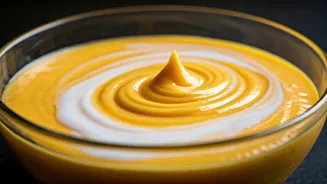
that we often experience without consciously acknowledging: texture. In the world of gastronomy, this is often called ‘mouthfeel’—the physical sensations a food creates in the mouth. It’s the crisp shatter of a perfectly fried samosa, the pillowy softness of a fresh idli, the satisfying chew of a well-made paratha, and the creamy smoothness of a dal makhani. This isn’t just a secondary characteristic; it's an integral part of how we perceive and enjoy flavour. Without texture, food would be one-dimensional. Imagine a potato chip without its crunch or a gulab jamun without its melt-in-your-mouth softness. The taste might be there, but the soul of the dish would be lost.
The Science of Sensation
Our obsession with texture is deeply wired into our brains. From an evolutionary standpoint, texture provides vital information about our food. A crunch often signals freshness and high water content, which is why we instinctively love crisp vegetables and fruits. A creamy texture, on the other hand, is associated with high fat content—a valuable source of energy our ancestors sought out. This is why dishes like shahi paneer or a rich kheer feel so comforting and luxurious. Modern food science explains that texture creates contrast, and contrast creates interest. When our brains encounter multiple textures in a single bite—like the crunch of sev and peanuts, the softness of potatoes, and the liquid tang of chutneys in a bhel puri—it triggers a more complex and engaging sensory experience. This ‘dynamic contrast’ keeps our palate from getting bored and makes each bite feel new and exciting.
A Chef's Secret Weapon
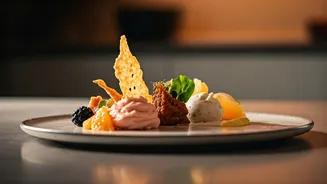
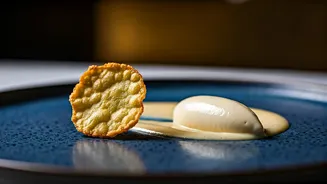
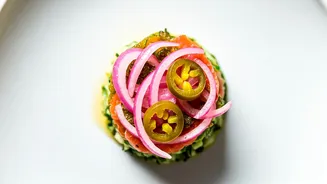
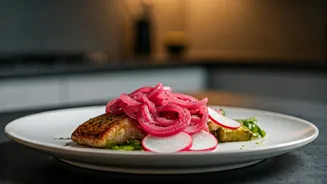
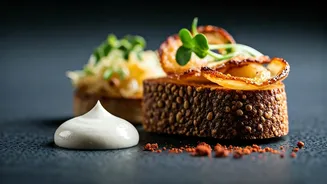
While home cooks have intuitively used texture for centuries, today’s leading chefs are treating it like a science. They are deconstructing and reconstructing ingredients to create surprising and delightful textural experiences. You’ll find this in fine-dining restaurants across the globe, where chefs use techniques to create foams, gels, airs, crumbles, and powders. A dish might feature a silky purée topped with a crunchy ‘soil’ made from dehydrated olives, or a tender piece of fish served with an airy lemon foam. The goal is to play with expectations and deliver moments of pure joy. For instance, the celebrated ‘Q’ texture in Taiwanese and other East Asian cuisines—a springy, bouncy, chewy quality found in tapioca pearls and mochi—is now being embraced by chefs worldwide. It shows a growing global appreciation for mouthfeels that go beyond the simple crunchy-soft binary.
Celebrating Texture in Indian Cuisine
The beauty of this “trend” is that it’s not really new to us in India. Our cuisine is a masterclass in textural play. Think of a pani puri: the brittle, hollow puri shatters, releasing flavourful water and a soft filling of sprouts and potatoes. It’s a symphony of textures in a single, fleeting moment. Consider a biryani, where fluffy grains of rice are interspersed with soft, succulent meat, chewy dried fruits, and crispy fried onions (birista). Or the simple pleasure of a dosa, with its crisp, paper-thin edges and its soft, spongy centre. From the grainy feel of a besan ladoo to the layered flakiness of a lachha paratha, Indian food has always understood that how food feels is just as important as how it tastes. By paying conscious attention to this, we’re not adopting a foreign trend but simply rediscovering and appreciating the genius already present in our own kitchens.
How to Master Texture at Home
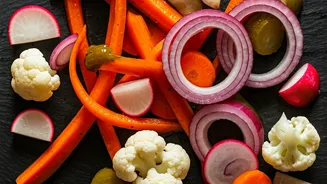
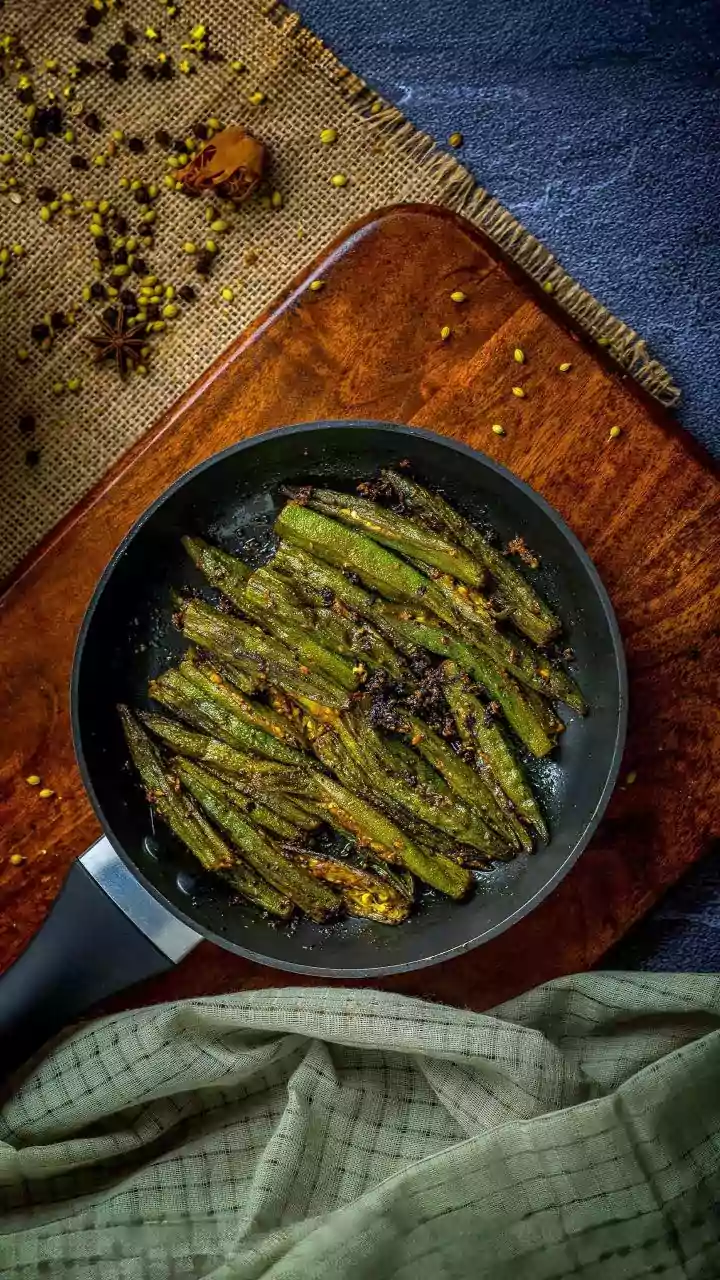
You don't need a culinary degree or fancy equipment to bring this focus on texture into your own cooking. It’s about thinking in layers. Making a simple dal? Top it with a tadka of crunchy fried garlic or mustard seeds. Preparing a salad? Toss in a handful of toasted almonds, roasted seeds, or crispy croutons. That creamy bowl of curd rice can be transformed with a few crunchy pomegranate seeds. Even a simple sabzi gets more interesting with a garnish of fried onions or crushed peanuts. The next time you cook, ask yourself: What’s the primary texture of this dish, and what can I add to contrast with it? A creamy dish needs a crunch. A soft dish needs a bite. A simple sprinkle can elevate a familiar meal from good to unforgettable.