



The Healthier Crunch
The main appeal of swapping your kadhai for an air fryer is health. Traditional deep frying submerges food in hot oil, which adds significant amounts of fat and calories. A single deep-fried samosa can contain over 250 calories and 14 grams of fat. Air
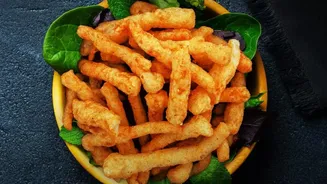
frying, which works by circulating superheated air, uses up to 80% less oil. This simple switch drastically cuts down fat and calorie intake, making your favourite snacks lighter and easier on your heart and waistline. Beyond calories, air frying also reduces the formation of acrylamide, a potentially harmful compound created when starchy foods are fried in oil at high temperatures. The result is a snack that delivers a satisfying crunch without the heavy, greasy feeling, allowing the spices to shine.
Mastering the Air Fryer Samosa
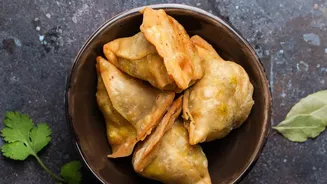
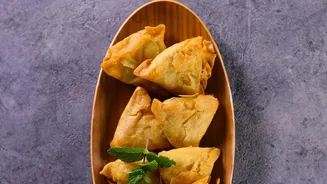
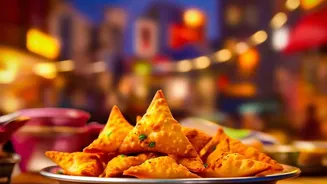
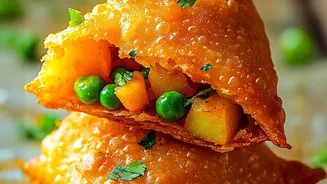
Achieving the perfect golden, flaky samosa in an air fryer is entirely possible with a few adjustments. Whether you are using homemade or frozen samosas, the key is preparation. First, preheat your air fryer to around 180-190°C. This ensures the pastry starts cooking immediately for a crispier finish. Before placing them in the basket, lightly brush or spray the samosas with a thin layer of oil. This is crucial for achieving that golden-brown colour and preventing the pastry from becoming dry or burnt. Arrange the samosas in a single layer, ensuring they don’t overlap, which would block air circulation and lead to uneven cooking. Cook for about 12-15 minutes, flipping them halfway through. The final product will be a lighter, yet satisfyingly crunchy, version of the classic.
Perfecting the Air Fryer Pakora
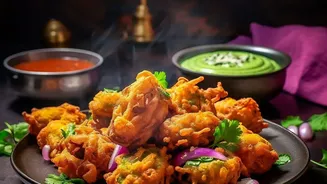
Pakoras present a unique challenge because of their wet batter. Unlike a samosa, a loose pakora batter can drip through the air fryer basket, creating a mess. The secret lies in the batter's consistency and a couple of smart tricks. Make your batter slightly thicker than you would for deep frying, so it clings firmly to the vegetables. Adding a tablespoon of rice flour can also enhance crispiness. To prevent sticking and dripping, line your air fryer basket with perforated parchment paper or a reusable silicone liner. When placing the pakoras, leave space between each one. Air fry at around 180°C for 10-12 minutes. For best results, let them cook for about 5 minutes to set the shape before lightly spraying them with oil and flipping them to finish cooking until golden and crisp.
Essential Tips for the Best Results
To get the most out of your air fryer for Indian snacks, follow a few simple rules. Always preheat the appliance for 3-5 minutes. This helps cook the food evenly from the start. Don't overcrowd the basket; cook in batches if necessary to ensure hot air can circulate around each piece for maximum crispiness. A light spritz of oil is your best friend. It not only helps with browning but also prevents food from tasting too dry. Finally, remember to shake the basket or flip the food halfway through the cooking time. This promotes even cooking and ensures every side is perfectly crisped.
Managing Expectations: Taste and Texture
While an air fryer can come remarkably close to replicating the texture of deep-fried food, it's important to set realistic expectations. Air-fried snacks have a slightly different crunch—often described as lighter and less rich than their oil-submerged counterparts. This isn't a downside; many people prefer it because the snack feels less heavy and the natural flavours of the ingredients are more pronounced. The convenience and health benefits are undeniable. There is less mess, no lingering smell of oil, and you can enjoy your favourite comfort foods more often without the associated guilt. It’s a modern, practical way to keep tradition alive in a healthier kitchen.