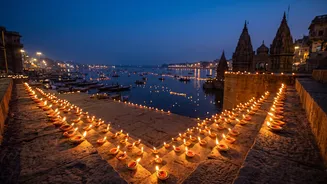




When millions of earthen lamps illuminate the ghats of Varanasi for Dev Deepawali, it’s a breathtaking sight. But another layer of magic unfolds simultaneously—a symphony of classical and folk music that transforms the city into a living cultural stage.
A Symphony for the Gods
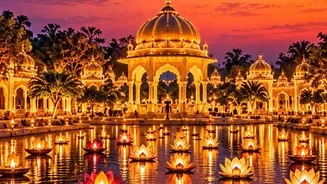
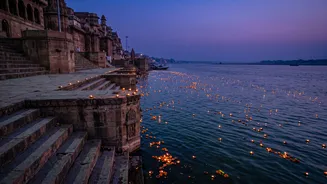
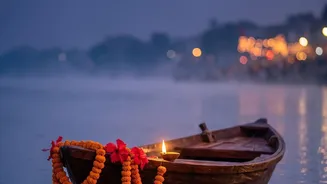
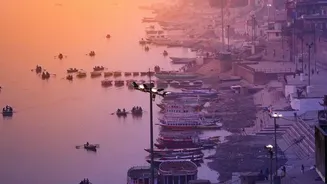
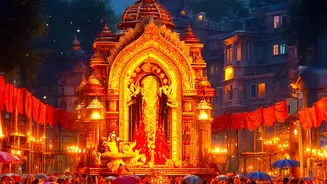
Dev Deepawali, celebrated on Kartik Purnima, is known as the 'Diwali of the Gods'. Legend holds that the deities descend to Earth to bathe in the holy Ganga on this day. To welcome them, the city's 80-plus ghats are decorated with millions of 'diyas' (earthen lamps), creating a celestial pathway of light along the river. But this visual spectacle is deeply intertwined with sound. Music, in Indian tradition, is not just entertainment; it's a form of offering and spiritual expression. The cultural festivals held during this time serve as an auditory tribute, creating a multi-sensory experience that goes far beyond the illuminations alone. The combination of light and melody elevates the celebration, turning the entire riverfront into a grand performance for both mortals and gods.
Ganga Mahotsav: The Main Event
The most prominent cultural event that coincides with Dev Deepawali is the Ganga Mahotsav, a five-day festival dedicated to honouring the River Ganga. Organized by the tourism department, it often concludes on the day of Dev Deepawali, creating a grand finale. This festival transforms Varanasi into a hub of classical arts, featuring performances from some of India's most legendary musicians and dancers. Stages are set up along the ghats, where genres from classical and semi-classical vocals to instrumental recitals and traditional dance forms like Kathak and Odissi are presented. This event provides a platform for renowned artists and emerging talents to showcase their skills, ensuring the city's rich cultural heritage is both celebrated and passed on to new generations.
The Ghats as Grand Stages
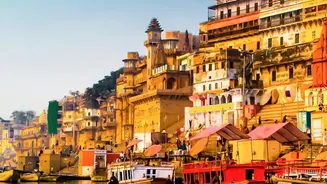
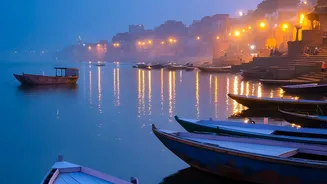
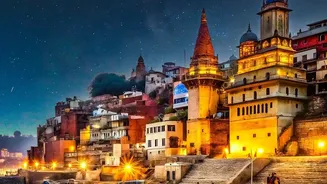
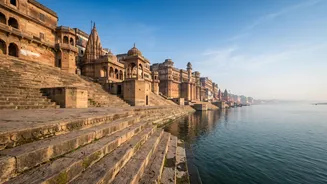
During Dev Deepawali, the historic ghats of Varanasi shed their daytime role as places of ritual and become magnificent open-air concert halls. Ghats like Dashashwamedh, Assi, and Rajghat become focal points for both the illuminations and the cultural programmes. Imagine sitting on the ancient stone steps, surrounded by the warm glow of countless diyas, as the soulful notes of a sitar or the powerful rhythm of tabla drums echo across the water. This unique setting provides an unparalleled ambiance that a modern concert hall could never replicate. The music doesn't just play; it interacts with the environment—the gentle lapping of the river, the distant chanting, and the collective energy of thousands of pilgrims and art lovers, creating an immersive spiritual and cultural atmosphere.
A Deeper Cultural Immersion
The synergy between the lights and the music offers a more profound way to experience Varanasi. While the visual of a million lamps is stunning, the accompanying music provides context and emotional depth. It connects the spiritual act of lighting a lamp with India's long-standing artistic traditions, where music and devotion are inseparable. For visitors, this blend is the key to understanding the city's living heritage. It’s not just about witnessing a beautiful event; it's about participating in a layered celebration that engages all the senses. The melodies tell stories, evoke emotions, and enhance the sacredness of the moment, making the act of watching the lights a meditative and deeply moving experience. The festivals ensure that Dev Deepawali is not just a spectacle to be seen, but a cultural phenomenon to be felt.